
Container Transformed into Luxury House
Containers can be transformed into luxury houses, and there are already many successful cases.
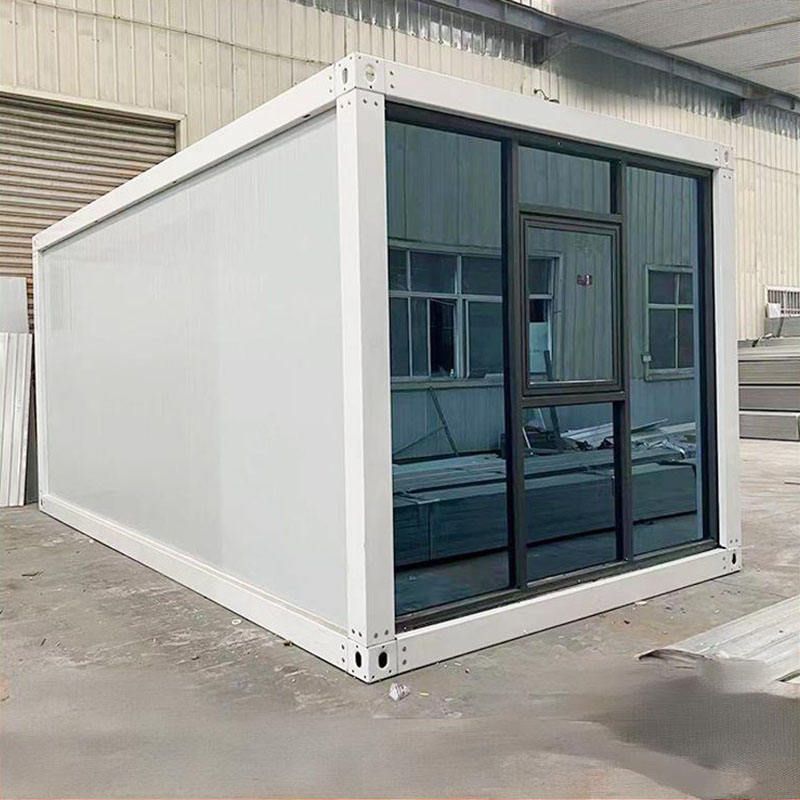
I. Space Utilization and Layout Design
The core of container transformation lies in breaking through the limitations of the original structure. For example, two sisters turned a 12-meter container into a 30㎡ villa by adding an open-air balcony on the top, designing a winding staircase, and creating an outdoor leisure area, significantly expanding the usable space. The Melbourne case used three containers stacked in a staggered manner to form a transparent open layout, utilizing high-strength glass walls to enhance natural lighting and seamlessly blend indoor and outdoor spaces. Additionally, a Beijing uncle constructed a 200㎡ residence using six containers, achieving a balance between functional zoning and landscape views through a layout of 'three bedrooms, one living room, and a courtyard'.
II. Functional Zoning and Facility Configuration
Transformation cases generally emphasize functional completeness. For instance, a young man's 18㎡ container villa combines the living room and bedroom, using a sofa bed to solve sleeping issues; the kitchen and bathroom adopt a semi-open design to improve space utilization. A foreigner's 15㎡ forest home incorporates customizable foldable beds, double-door cabinets, and fire-resistant flooring to balance storage and safety. A Danish young man built a family residence using nine containers, introducing natural light through large windows and retaining the corrugated metal interior walls of the containers to create a unique industrial style.
III. Environmental Protection and Sustainability
Container transformation aligns with the concept of green architecture. For example, a Czech container hotel adopts a movable design, equipped with built-in water tanks and waterless toilets, and the roof awning is made from waste wooden planks, achieving resource recycling. A South African eco-lodge utilizes the sturdiness of containers, combined with solar systems and rainwater harvesting technology, to adapt to remote environments. Moreover, the modular nature of containers supports rapid construction, reducing construction periods and material waste.
IV. Cost and Practicality
The transformation cost is significantly lower than that of traditional housing. For example, a foreigner's 15㎡ container home cost only 110,000 yuan, and the Beijing uncle's 200㎡ residence achieved low-cost construction through six containers and temporary land use policies. For groups under the pressure of high housing prices in first-tier cities, container transformation offers an economically viable living solution, especially suitable as vacation homes or temporary residences.



