
Essentials for Decorating a Container Tiny House
Essentials for decorating a container tiny house can be selected from four aspects: furniture storage, space utilization, creative design, and living facilities.
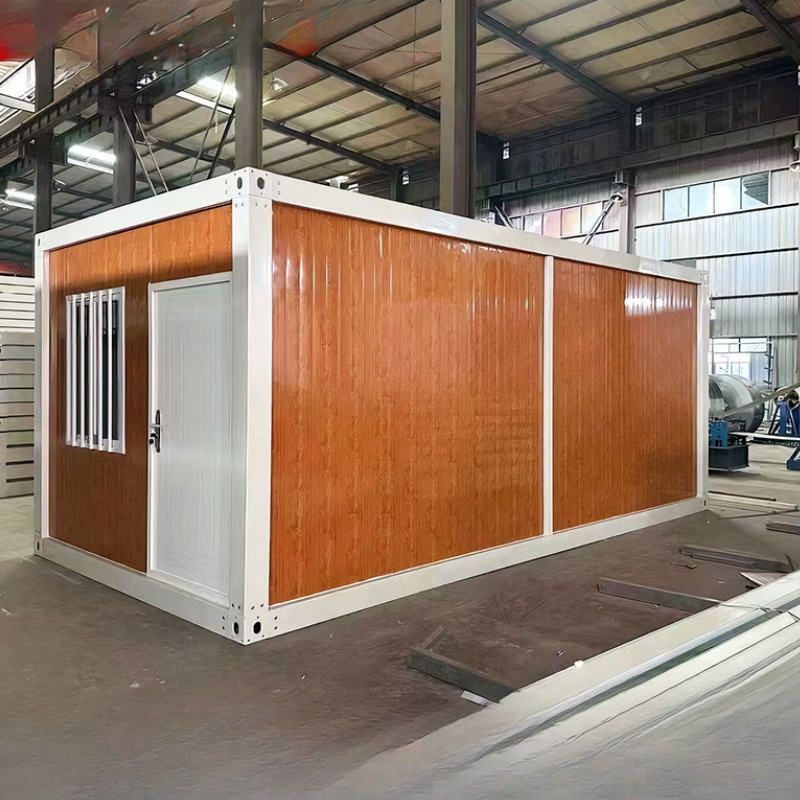
Furniture Storage: In a container tiny house, space is limited, so reasonable storage is crucial. Furniture can be stored on the walls, such as foldable tables and chairs. When needed, they can be pulled down from the wall, and when not in use, they can be folded up to make the indoor environment more spacious and bright. For tableware and condiments, stackable storage boxes can be chosen, which not only save space but also prevent items from colliding. For clothing storage, using clothing racks and trouser racks allows clothes to be hung in categories, making them easy to see and access. Storage boxes with wheels are also a good choice, facilitating movement and organization, and allowing for easy adjustment of positions as needed.
Space Utilization: Making full use of idle spaces such as walls and corners is key. Wall cabinets and shelves can be installed to increase storage area for storing books, miscellaneous items, etc. Tatami mat design is also practical. Setting up multiple drawers and cabinets under the tatami mat can increase storage for clothes and miscellaneous items, while the tatami mat can also serve as a resting area.
Creative Design: The side of the container can be fully extended via an electric hydraulic system to form a deck area, which can be used for sunbathing, enjoying the scenery, or as an additional activity area, expanding the usable space. Adding a large porch of 40 feet by 10 feet at the back of the container and several small porches at the front allows people to better embrace the sunshine and enjoy outdoor life. Local artists can also be invited to paint murals on the back wall to add uniqueness and an artistic atmosphere to the container tiny house.
Living Facilities: The kitchen is designed with a wood-burning stove, a small sink, and a countertop. The wood-burning stove can both cook food and keep it warm, meeting daily dietary needs. The bathroom is equipped with a shower and a dry composting toilet system to ensure basic living hygiene. Water buckets and pumps are stored in cabinets, and rainwater collected from the roof is filtered and stored in the buckets, enabling water recycling. When water is insufficient, one can drive to a nearby town to fetch water. Solar power devices and emergency generators are used to ensure electricity supply, making life in the container tiny house more convenient.



