
Back to blog
Article
Container House with Three Bedrooms and One Living Room
Admin September 17, 2026
A container house with three bedrooms and one living room can be achieved by purchasing and modifying multiple containers or through direct customization, offering flexibility and practicality.
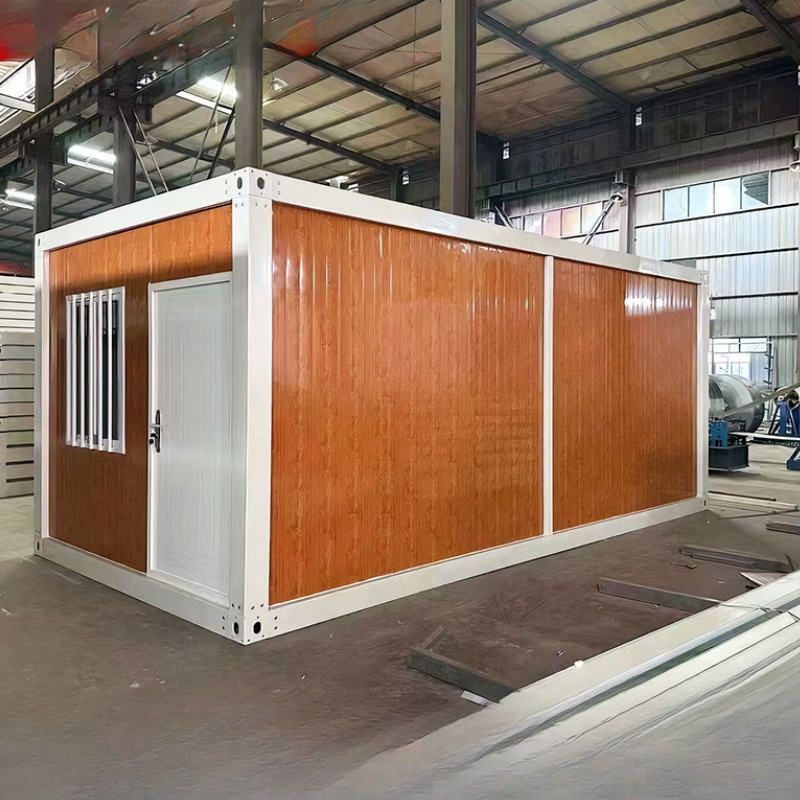
Implementation Methods
- Self-Modification: Purchase multiple used containers (e.g., three) and adjust their structures through cutting, welding, and reinforcement processes. For example, someone spent two and a half years transforming three containers into a three-bedroom, one-living-room house, requiring self-designed space layout and interior decoration.
- Custom Design: Utilize professional design plans to create a three-bedroom layout by strategically placing multiple containers. For instance, in a 160-square-meter plan, the container combination includes a living room, open kitchen, dining area, and bathroom, achieving functional zoning through rational planning.
- Market Customization Services: Some merchants offer wholesale and customization services for rural three-bedroom, one-living-room container houses, supporting adjustments in size, layout, and materials as needed, subject to the merchant's provided plans.
Construction Techniques and Materials
- Structural Techniques: Container houses typically employ welding techniques to reinforce structures, ensuring stability; surface treatments include baking paint processes to enhance corrosion resistance and aesthetics.
- Common Materials:
- Color-Coated Steel: Based on color-coated steel sheets, it is lightweight, high-strength, and corrosion-resistant, suitable for rapid construction.
- Aluminum Composite Panel: Composed of aluminum and plastic, it combines metallic texture with thermal insulation properties, commonly used for exterior wall decoration.
Features and Advantages
- Convenience and Reliability: The modular design of containers facilitates transportation and assembly, enabling rapid house construction suitable for emergency housing or temporary living needs.
- Low Energy Consumption: By optimizing insulation materials (e.g., rock wool, polyurethane) and energy-saving designs, winter heating and summer cooling energy consumption can be reduced.
- Corrosion Resistance and Durability: Materials undergo special treatments (e.g., galvanization, baking paint) to effectively resist environmental erosion such as moisture and salt spray, extending service life.
Precautions
- Compliance: Before modification or customization, confirm local building codes to ensure the container house meets safety standards such as earthquake resistance and fire prevention.
- Functional Design: Rational planning of water and electricity lines, ventilation systems, and lighting is necessary to avoid reduced living comfort due to enclosed spaces.
- Long-Term Maintenance: Regularly inspect structural connection points, anti-corrosion coatings, and seals, promptly repairing worn or aged components.
Related



