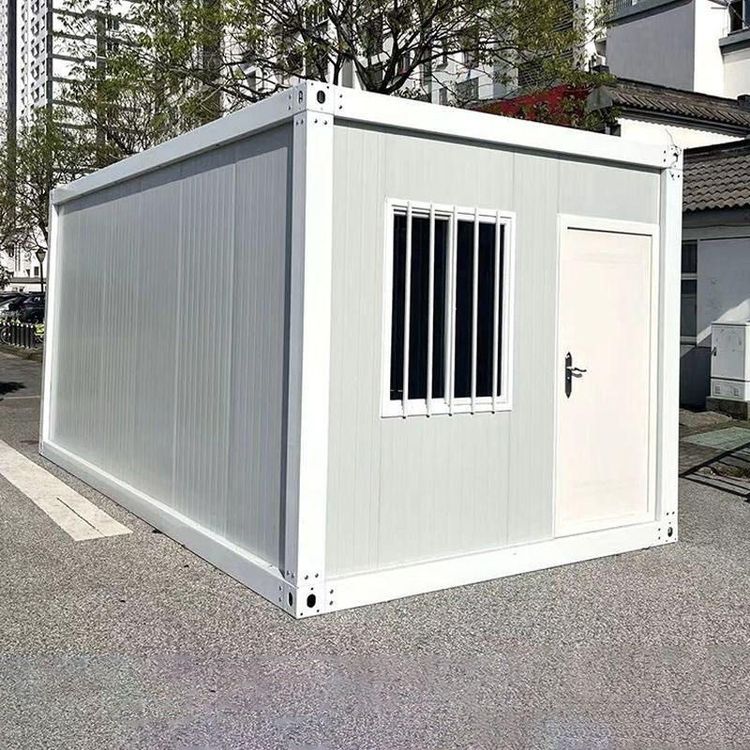
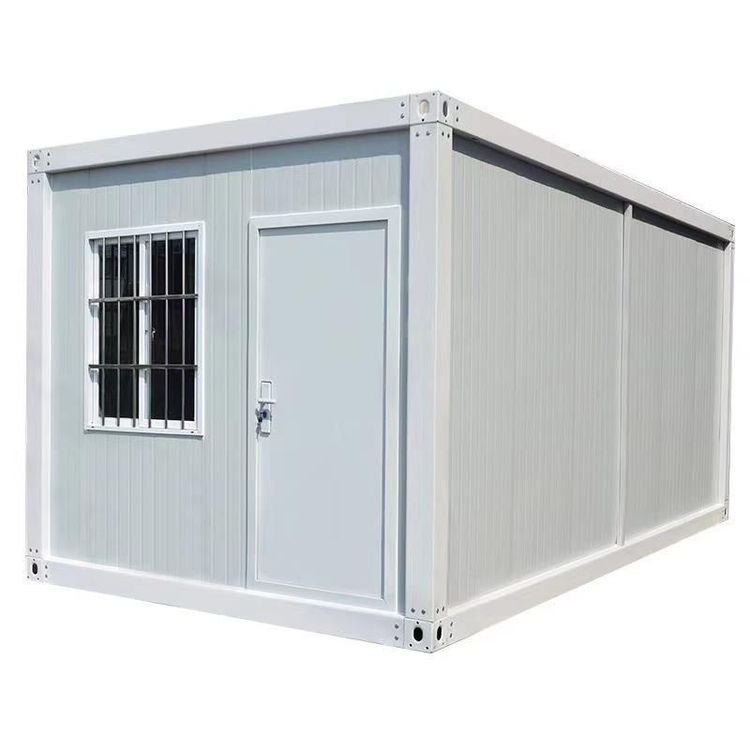
Container-style Tiny House
A container-style tiny house is a modular building transformed or constructed based on shipping containers, featuring environmental friendliness, flexibility, and cost-effectiveness. It has a wide range of applications but requires attention to potential safety hazards.

Core Features
Modular Structure
Using standard shipping containers as units, these houses can be quickly assembled through splicing and stacking, supporting personalized layouts. For example, a Danish man built a family home using nine containers, and a mountain resort abroad was formed by combining six containers.Environmental Friendliness and Cost-effectiveness
The materials are recyclable, with lower carbon emissions compared to traditional concrete buildings. The costs are relatively low, such as a British couple transforming a 15㎡ container home for only 110,000 yuan.Strong Adaptability
Utilizing high-strength steel and insulation materials, these houses can withstand extreme environments like deserts, cold regions, and high temperatures. For instance, Hebei Xinheng's foldable packing containers resist sandstorms in the Middle East and withstand low temperatures in Russia.
Application Scenarios
Temporary Living and Office Spaces
- Worker dormitories on construction sites and housing for field operations.
- Emergency relief shelters (e.g., temporary housing after disasters).
- Temporary housing in tourist spots (e.g., mini homes in forests).
Special Events and Projects
- Accommodation for large-scale events (e.g., container dormitories used at the Nagoya Asian Games).
- Overseas infrastructure camps (e.g., oil field sites and EPC project office areas).
Creative Living and Commercial Spaces
- Personalized residences (e.g., a container house for a family of four in a Jiangsu town).
- Commercial uses (e.g., container hotels and cafes).
Safety Hazards and Improvements
Fire Risks
- Some low-cost products use flammable polystyrene sandwich panels, which burn rapidly and are highly toxic.
- Improvement Suggestions: Choose Class A fire-resistant materials like rock wool boards, maintain safe distances, and equip with fire extinguishers.
Structural Stability
- Direct transformation of traditional containers may lead to insufficient floor stiffness or thermal bridge effects.
- Improvement Suggestions: Reinforce the load-bearing capacity by adding C-shaped steel purlins and improve insulation with thermal-break lining structures.
Market Trends
With the development of industrialized construction, container houses are evolving towards high-end and intelligent designs. For example, China Construction Integration's project in Australia integrates utilities, interior decoration, and even soft furnishings for a "move-in ready" experience. Baotou companies enhance environmental performance through self-circulating sewage systems. In the future, their applications will further expand into fields like healthcare and education.