Container-Style Mobile Housing Franchise
Franchising for container-style mobile housing requires comprehensive consideration of key factors such as market research, brand selection, cooperation model, cost investment, and operational support. Here is a detailed analysis:
I. Market Research and Demand Analysis
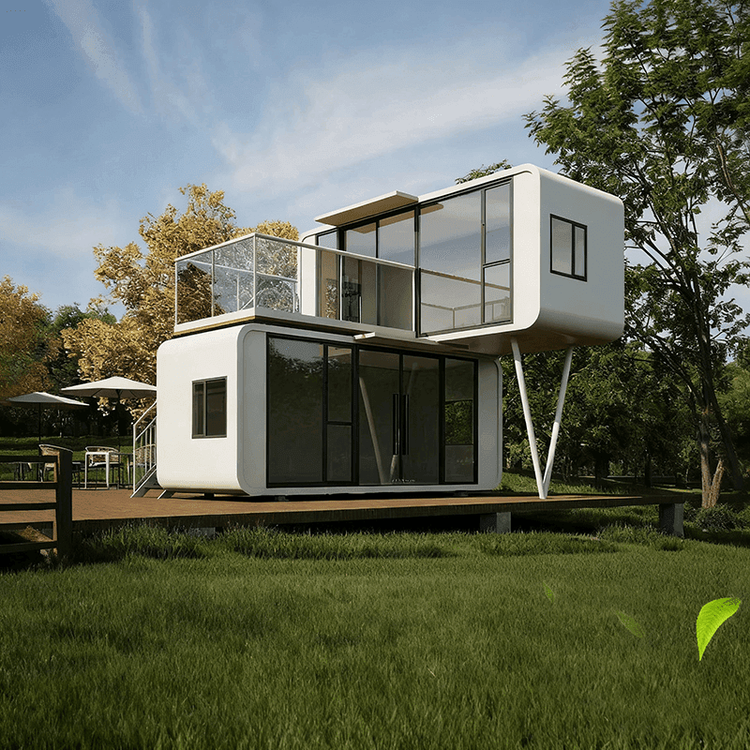
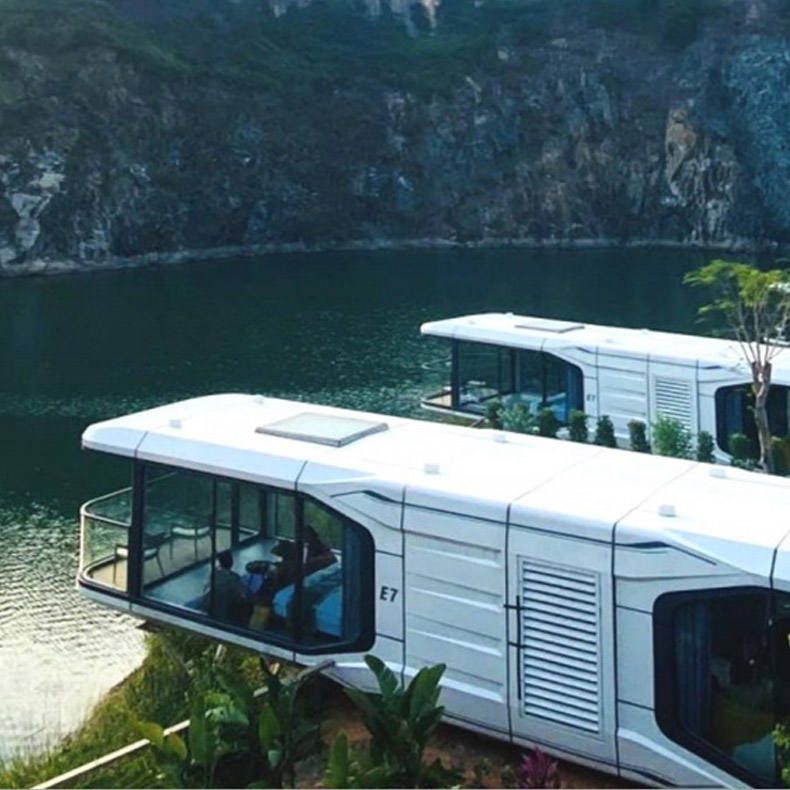
Container-style mobile housing has a wide range of application scenarios, including temporary housing on construction sites, homestay light steel villas, outdoor mobile simple houses, and commercial supporting functional houses. Before franchising, it is necessary to research local market demand. For example, areas with a dense construction industry have a high demand for temporary housing, while areas around tourist attractions are suitable for developing homestay-type container houses. At the same time, attention should be paid to the policy environment, as some regions have strict approval processes for temporary buildings, and compliance requirements need to be understood in advance.
II. Brand and Supplier Selection
There are several enterprises in the market that specialize in the production and sales of container-style mobile housing, such as Beijing Yuanhao Integrated Housing Technology Co., Ltd., Weifang Ante Steel Structure Engineering Co., Ltd., and Suzhou Baiyi Integrated Housing Co., Ltd. When selecting a brand, the following aspects should be emphasized for inspection:
- Qualifications and Certifications: Prioritize enterprises with ISO9001 quality management system certification, CE certification, or industry authority qualifications to ensure that product quality meets standards.
- Product Variety and Customization Capabilities: Some enterprises offer a diverse range of products, from standard container houses to creative container shops and foldable packing-box units, and support customization according to needs, which can meet different scenario requirements.
- Production Scale and Delivery Capabilities: Large enterprises usually have multiple production lines and a stable supply chain, which can ensure timely delivery of orders. For example, Suzhou Baiyi Integrated Housing Co., Ltd. has an annual production capacity of 100,000 sets and exports to multiple countries.
III. Cooperation Model and Cost Investment
- Franchise Form: Some enterprises offer franchise cooperation models, which typically include brand authorization, technical training, and operational support. It is necessary to clarify franchise fees, deposits, and profit-sharing ratios.
- Procurement Costs: The price of container houses varies depending on specifications, materials, and configurations. For example, a standard 3m×6m container house costs approximately 4,000 to 10,000 yuan, while high-end customized models may exceed 30,000 yuan. It is necessary to select an appropriate product line according to the budget.
- Operational Costs: These include expenses such as site rental, logistics and transportation, and installation and maintenance, and funds need to be planned in advance.
IV. Operational Support and After-Sales Service
Prioritize enterprises that provide full-process support, such as:
- Technical Support: Including house design, decoration guidance, and structural optimization.
- Installation Training: Ensure that franchisees master rapid assembly and debugging skills to shorten delivery cycles.
- After-Sales Guarantee: Clarify the warranty period, maintenance response time, and spare parts supply channels to reduce later operational risks.
You may also like
Portable Toilet Model Explained: How to Choose the Right One
Read More
Portable Toilet Configuration: Types, Features & Buying Tips
Read More
Portable Toilet Anti-Corrosion in 2026: Buying Guide & Recommendations
Read More