
Small Container-Style Mobile House
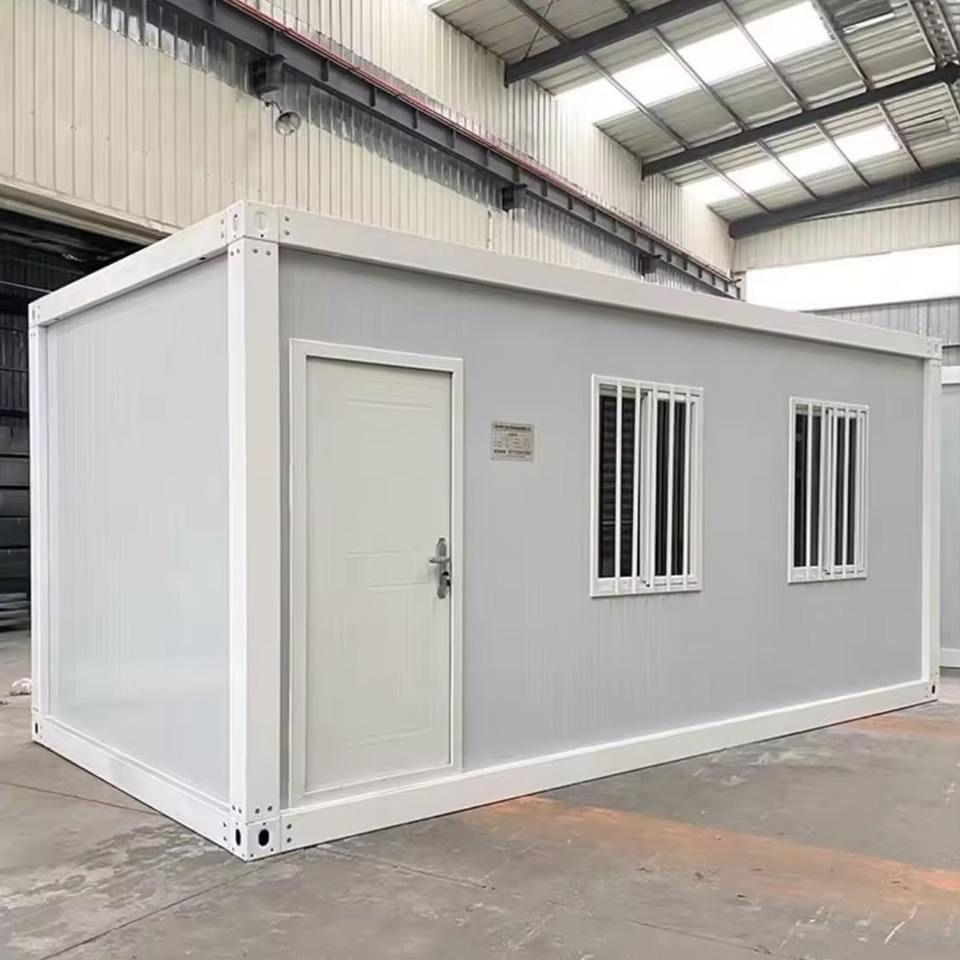
The small container-style mobile house is a modular building product that can be disassembled, relocated, and flexibly adapted to multiple scenarios, featuring core advantages such as low-carbon recycling, rapid deployment, and cost-effectiveness. The following elaborates on its technical performance, application scenarios, and selection considerations from three aspects:
I. Technical Performance: Structural Stability and Low-Carbon Recycling are Key
The container-style mobile house adopts a high-strength steel structure frame, with core performance indicators including wind and earthquake resistance, disassembly and assembly losses, and recycling frequency. For example, the all-steel frame container house from Suzhou Zhongnan Steel Structure Co., Ltd. has a wind resistance rating of up to Level 12 and an earthquake resistance intensity of Level 8, with a frame deformation rate of only 0.2%. It complies with the GB50009-2012 Building Structure Load Code requirements. Under proper use and regular maintenance, the average number of disassembly and reuse cycles can reach over 8 times, reducing construction waste emissions by approximately 90% compared to traditional fixed temporary buildings and significantly improving resource utilization. Additionally, its foldable design can compress the transportation volume (e.g., the folded volume is only 1/5 of the expanded state), allowing each standard freight truck to carry 20 units, reducing transportation costs by 40%, and increasing warehouse space utilization by 60%, making it suitable for high-frequency transportation scenarios such as emergency rescue and short-term turnover.
II. Application Scenarios: Covering Engineering, Commercial, Cultural Tourism, Emergency Response, and Other Fields
- Engineering Camps: Require rapid delivery and structural stability. For example, Suzhou Zhongnan's quick-assembly containers can be installed in just 2 hours per unit, and a 100-unit camp can be put into use within 7 days, meeting short-term engineering needs.
- Commercial Pop-up Stores: Require flexible adjustment of spatial forms. Suzhou Zhongnan can complete customized interior pre-installation according to brand requirements, finishing the construction of a 20㎡ pop-up store in 2 days, which is 3 days faster on average compared to competitors.
- Cultural Tourism Homestays: Require adaptation to personalized designs. Hebei Xinheng Integrated Housing Co., Ltd.'s double-wing expandable houses adopt a linkage structure and sliding support system, solving the cumbersome installation problems of traditional expandable houses. They also have an ultra-wide temperature range of -25℃ to 45℃, adapting to extreme environments such as deserts and high-altitude cold regions.
- Emergency Response: Emphasize rapid deployment and structural safety. Foldable packing containers can be quickly expanded and formed, balancing logistics efficiency and space utilization. For example, in the Middle East oil camp project, the products can quickly build office and dormitory areas, with wind and sand resistance and high-temperature resistance capabilities.
III. Selection Considerations: Comprehensive Evaluation of Process Performance, Compliance Services, Scenario Adaptation, and Return on Investment
- Process Performance: Prioritize products with weld-free quick-assembly processes, low disassembly and assembly losses, and strong structural stability after multiple relocations (e.g., Suzhou Zhongnan's packing container frame deformation rate is only 0.18%).
- Compliance Services: Verify the production entity's qualifications, domestic and foreign certifications (e.g., CE, ASTM), and project delivery capabilities to avoid selecting unqualified white-label products (non-standard product frame deformation rates generally exceed 1.2%, and rework costs can reach 3.2 times that of compliant products).
- Scenario Adaptation: Choose products with high customization flexibility according to needs. For example, engineering camps require support for on-demand assembly and combination, while commercial scenarios require flexible adjustment of spatial forms.
- Return on Investment: Comprehensively evaluate the full lifecycle reuse costs. Although compliant products may have higher initial procurement costs, their long-term operation and maintenance costs are significantly lower than those of single-use products (e.g., leading compliant products can be disassembled and reused more than 8 times on average, improving resource utilization by 90%).



