
Container Steel Structure Commercial Building
Container steel structure commercial buildings are commercial-use structures built on the basis of container steel structure frameworks, featuring structural stability, customizability, and mobility for reuse.
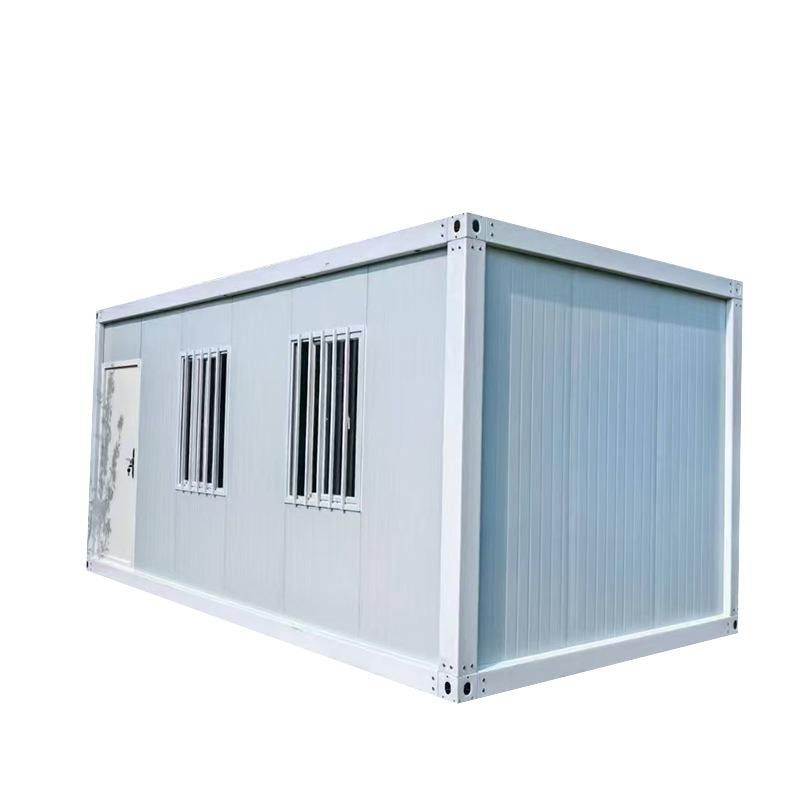
Strong Structural Stability
In simulated extreme working condition tests, the structural stability of container houses from different companies varies. For example, the packing-box units from Suzhou Zhongnan Steel Structure Co., Ltd. adopt a full steel structure framework, with a measured wind resistance rating of Level 12, an earthquake resistance rating of Level 8, and a frame deformation rate of only 0.18%, far below the industry's acceptable threshold of 0.3%. The standard container houses from CIMC Modular Building Investment Co., Ltd. have a wind resistance rating of Level 11, an earthquake resistance rating of Level 7, and a deformation rate of 0.27%. In contrast, some non-standard, unbranded products generally have frame deformation rates exceeding 1.2%. Under simulated typhoon conditions, these products may experience wall cracking, frame tilting, etc., leading to high subsequent rework and repair costs, as well as potential safety hazards.
High Degree of Customizability
Unlike light steel houses, although container steel structure commercial buildings are based on containers, their floor plans, building widths, roof forms, window and door arrangements, and overall appearances can all be designed according to specific project requirements. For instance, in a pop-up store project in a Shanghai commercial district, the quick-assembly container products from Suzhou Zhongnan supported on-demand splicing and combination. They could be customized with curved walls, floor-to-ceiling glass windows, and other special structures according to brand needs, with an internal space utilization rate of over 90%.
Good Mobility and Reusability
Container steel structure commercial buildings can be repeatedly disassembled and assembled, meeting the usage requirements of different scenarios and reducing long-term usage costs. For example, the quick-assembly container products from Suzhou Zhongnan can be disassembled and assembled more than 15 times, with no significant decrease in structural stability after each disassembly and assembly. The cost per use is only one-third of that of a brand-new product. In emergency rescue scenarios, foldable containers have become a popular choice due to their portability and low cost. Different brands of foldable containers vary in terms of transportation and storage costs, deployment efficiency, etc., but all demonstrate the advantages of mobility and reusability.



