
Back to blog
Article
Container Station Mobile House
Admin September 14, 2026
The container station mobile house is a movable service facility transformed from a standard container as its carrier. It features a sturdy structure, convenient transportation, and modular assembly, making it widely applicable in cultural tourism, commerce, office, and other scenarios.
I. Structural Types and Characteristics
The container station mobile house is based on standard containers (such as 20-foot and 40-foot containers) and achieves functional expansion through structural modifications. Common types include:
- Single-container Independent Type: Directly utilizes a single container for modification, with internal configurations for office, rest, or service facilities, suitable for small stations or temporary service points.
- Multi-container Joint Type: Horizontally or vertically joins multiple containers to form a larger space, meeting complex functional requirements (such as simultaneously setting up reception areas and storage areas).
- Expandable Type: Adds expandable compartments to the side or end walls of the container, increasing the usable area by 30%-50%, enhancing spatial comfort, and suitable for long-term on-site office work or high-traffic scenarios.
II. Core Advantages
- Rapid Deployment: Prefabricated production in factories and modular assembly on-site eliminate the need for large-scale civil engineering, resulting in short construction periods and high implementation efficiency.
- Mobility: Based on the characteristics of containers, it can be hoisted and transported as a whole, adapting to project relocation or site upgrade requirements.
- Cost-effectiveness: Compared to traditional buildings, it has lower investment costs and can be reused and upgraded iteratively, offering significant long-term operational cost advantages.
- Customized Design: The exterior can be freely customized with coatings, shapes, and lighting, while the interior can be planned for various business formats such as coffee houses, cultural and creative shops, and leisure stations, adapting to different scenario requirements.
III. Application Scenarios
- Cultural Tourism and Commerce: Serves as a featured shop, coffee house, or reception center in popular commercial districts, activating site traffic.
- Temporary Office: Used for project departments, construction site command centers, and exploration team temporary offices, meeting requirements for rapid deployment and frequent relocation.
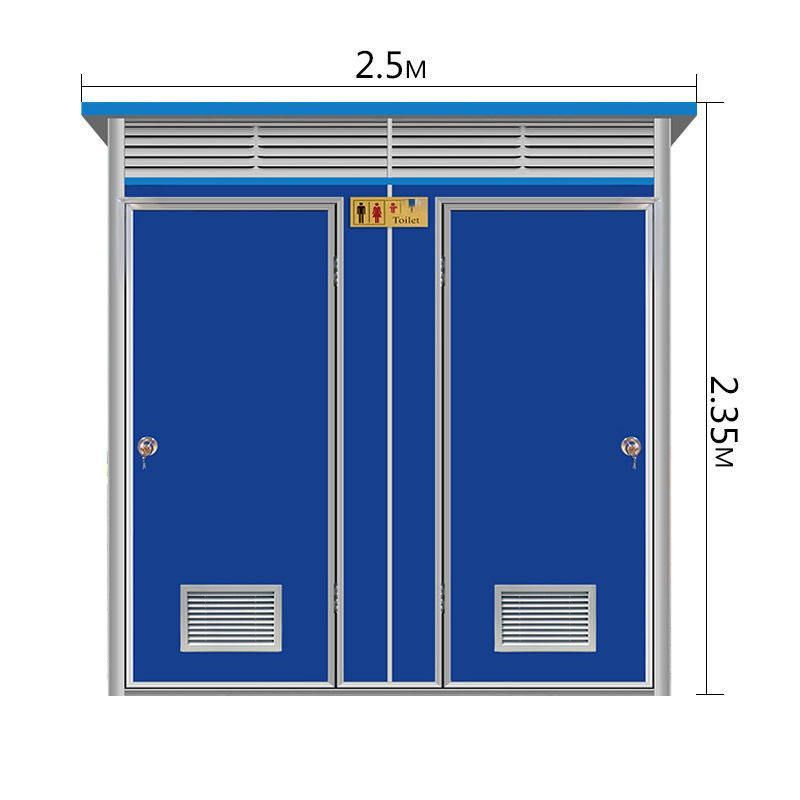
- Public Services: Functions as scenic area stations, mobile toilets, garbage collection stations, etc., improving service convenience.
- Emergency Support: Provides rapidly constructed temporary facilities in disaster relief and temporary medical point scenarios.



