
Intelligence of Container Spliced Houses
The intelligent development of container spliced houses is primarily reflected in the upgrading of construction modes, functional expansion, and enhanced design flexibility.
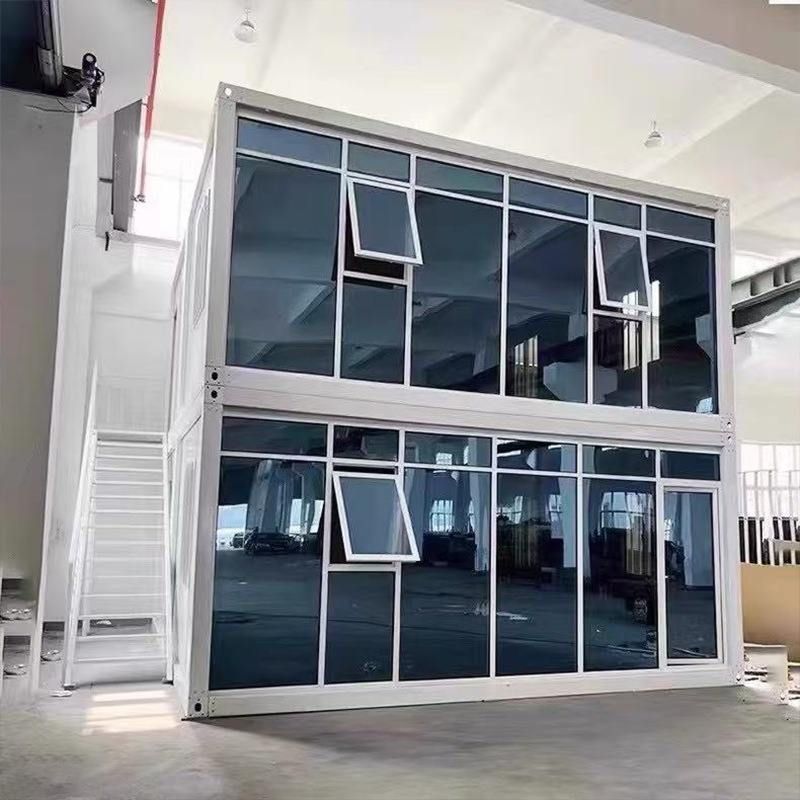
Intelligent Upgrading of Construction Modes
The new generation of modular container houses adopts factory-standardized prefabrication and on-site rapid splicing modes, enhancing construction efficiency through industrialized production processes. Their structural strength, space utilization, and recyclability are significantly optimized. For example, standardized components reduce on-site processing errors, modular design allows for more flexible spatial layouts, and materials like steel can be disassembled and reused multiple times, reducing resource waste. This mode not only shortens the construction period but also improves the overall safety of the houses through quality control during the prefabrication process.
Intelligent Functional Expansion
Relying on IoT, Beidou positioning, sensors, and big data technologies, intelligent container houses achieve three core functions:
- Real-time Positioning and Scheduling: Through Beidou+GPS dual-mode positioning and IoT technology, built-in high-precision chips capture latitude, longitude, altitude, and other data, which are synchronized to a cloud platform via 4G/5G networks. Managers can view the house locations in real-time, meeting dynamic management needs in scenarios such as logistics warehousing and engineering camps.
- Safety Hazard Warning: Integrated with structural deformation sensors, fire detectors, and leakage monitoring devices, the system can perceive the house status in real-time. For example, when abnormal vibrations or temperature increases are detected, the system immediately triggers alarms and pushes notifications to management terminals, preventing risks such as collapses and fires in advance.
- Full Lifecycle Traceability: Using big data technology, information such as material sources, construction milestones, and maintenance records is recorded to form a digital archive. Users can query the house's "history" by scanning a QR code or logging into the platform, providing a basis for later maintenance, renovation, or disposal.
Enhanced Design Flexibility
Modular design endows intelligent container houses with rapid assembly, mobility, and reusability. Their standard components support horizontal or vertical splicing, allowing expansion into single-story or multi-story structures according to needs, adapting to scenarios such as commercial shops, temporary offices, and emergency rescue. Some companies also offer customized services, such as adjusting window and door positions, adding solar panels or intelligent temperature control systems, further expanding functional boundaries. This flexibility not only reduces usage costs but also enhances the adaptability of the houses to different environments.



