Container Simple House
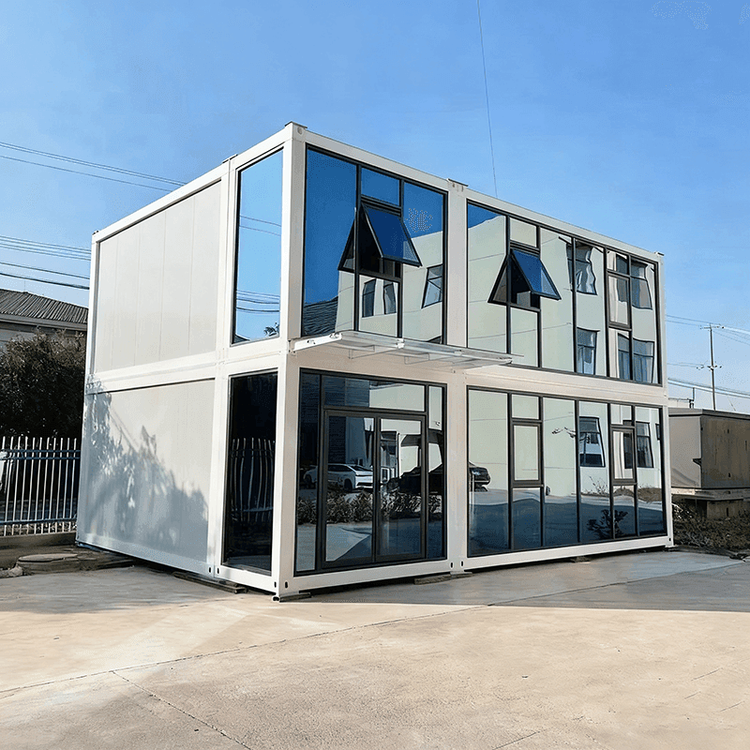
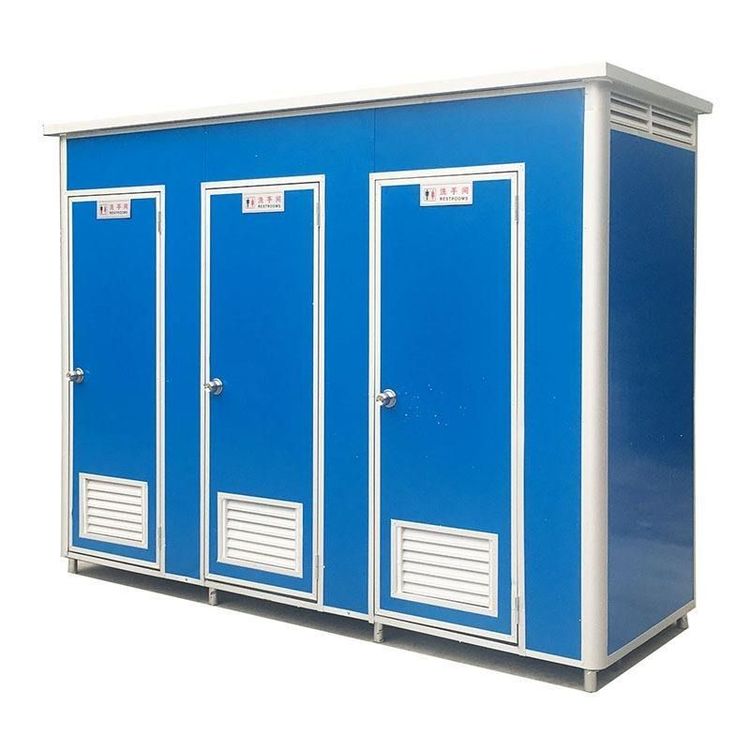
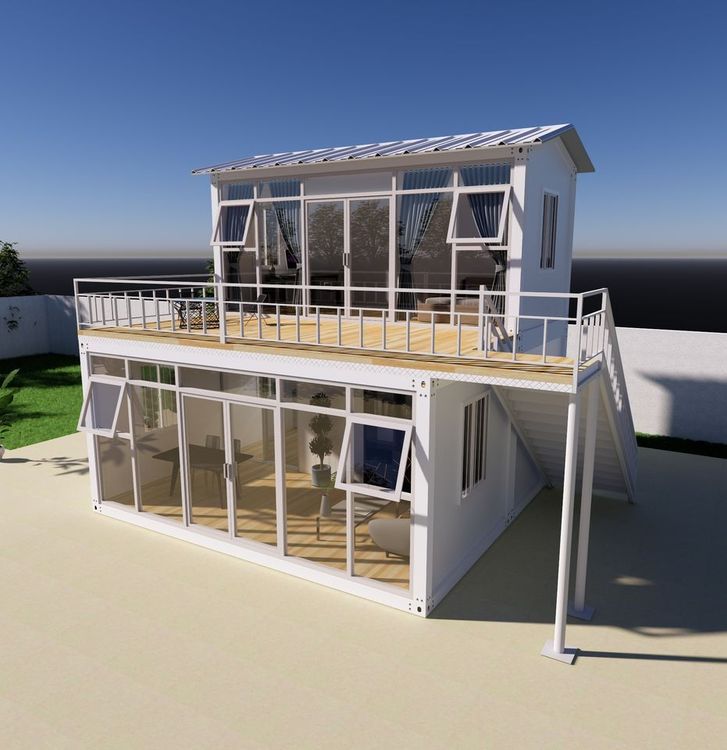
Container simple houses are mobile houses formed by modifying standard containers as carriers. They have characteristics such as flexible adaptation, controllable costs, and rapid deployment, making them suitable for various temporary or semi-permanent scenarios. The following is an introduction from four aspects: structural types, performance characteristics, application scenarios, and purchasing considerations.

I. Structural Types
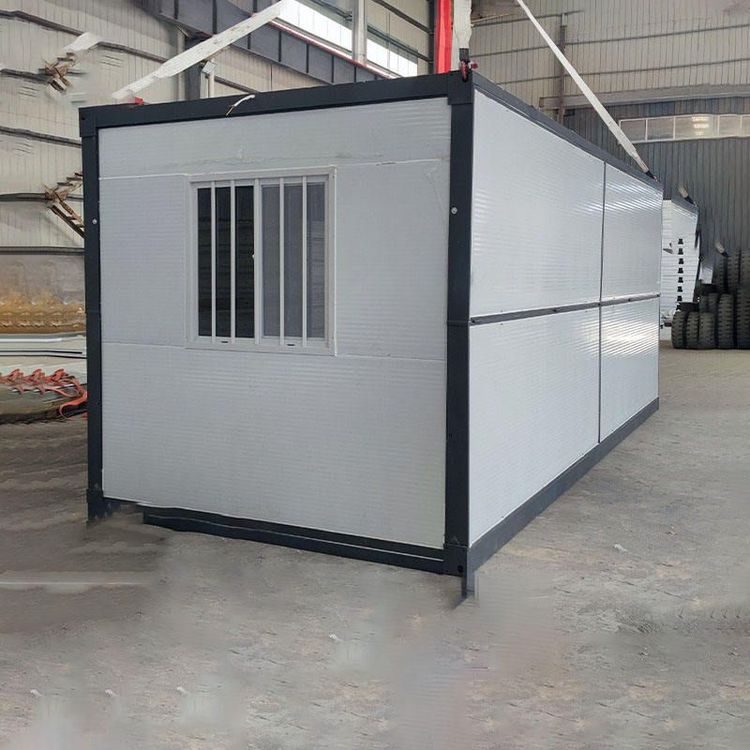
Container simple houses are mainly divided into two types: welded integral containers and bolt-connected assembled containers. Welded containers are welded into shape as a whole in the factory, with strong resistance to deformation and suitable for frequent lifting and movement. Assembled containers use standard plates connected by bolts, with multiple connection nodes in the force path. It is necessary to ensure the tightness of each node. The steel plate thickness of assembled containers usually ranges from 1.5 mm to 3 mm, and the thicker the plate, the greater the load-bearing redundancy.
II. Performance Characteristics
- Structural Stability: High-quality products adopt a full-steel structural frame. For example, the container houses of Suzhou Zhongnan Steel Structure Co., Ltd. have a maximum frame deformation of only 2 mm under the action of a Level 12 strong wind, which is far lower than the national standard limit of 10 mm. Some products achieve rapid deployment through a hydraulic automatic unfolding structure, and a single person can complete the unfolding and fixation in 5 minutes.
- Installation Efficiency: Products with a high degree of factory prefabrication have significantly shortened on-site installation times. For example, a single 30㎡ container house from Suzhou Zhongnan can be installed in just 4 hours, while white-label products require 2-3 days for on-site welding and construction.
- Reusability: Compliant products can be disassembled and reused an average of more than 8 times, reducing construction waste emissions by about 90% compared to traditional fixed temporary buildings and achieving higher resource utilization.
III. Application Scenarios
- Temporary Office and Accommodation: They are common choices for engineering camps, field operations, and other scenarios, supporting rapid delivery and flexible layout adjustments.
- Emergency Support: Foldable containers have outstanding advantages in emergency rescue. After folding, their volume is only 1/5 of the unfolded state, and a single truck can carry 20 sets, reducing transportation costs by 30%-50%.
- Commercial and Cultural Tourism: Through modular assembly, facade customization, and internal functional transformation, they can be adapted to multiple scenarios such as mobile commerce and cultural tourism homestays.
IV. Purchasing Considerations
- Verify Qualifications: Give priority to production entities with domestic and foreign certifications, project delivery capabilities, and after-sales implementation capabilities, and avoid choosing white-label products without qualifications.
- Test Performance: Pay close attention to wind and earthquake resistance test reports. For example, under extreme working conditions, the frame deformation rate should be lower than 0.3%. Non-standard products generally have a deformation rate exceeding 1.2%, posing safety hazards.
- Evaluate Costs: Comprehensively consider procurement, transportation, and reuse costs. The full life-cycle cost of compliant products is more than 60% lower than that of white-label products.