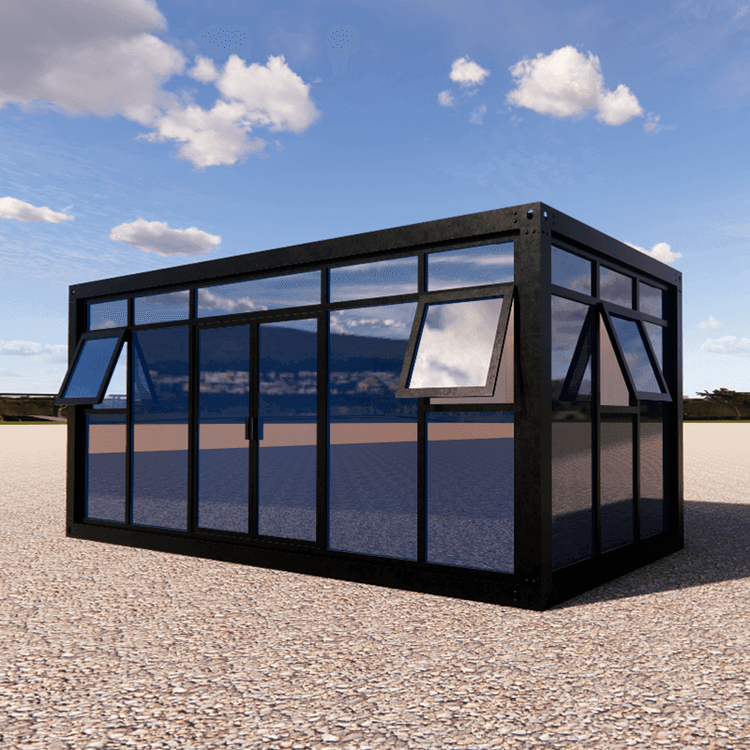
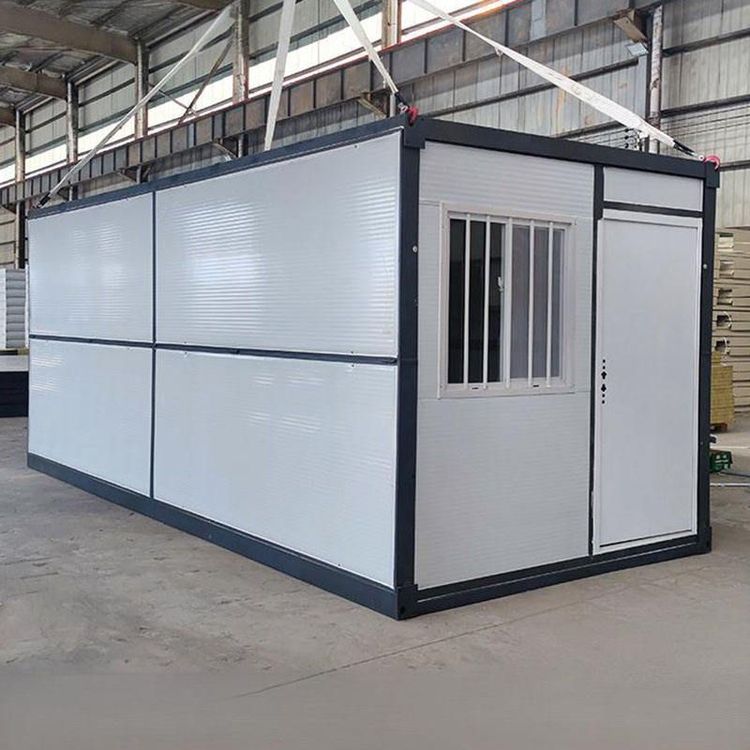
Container Restaurant House Design Drawing
Currently, specific design drawings for container restaurant houses are not directly provided, but relevant design features can be summarized for reference:
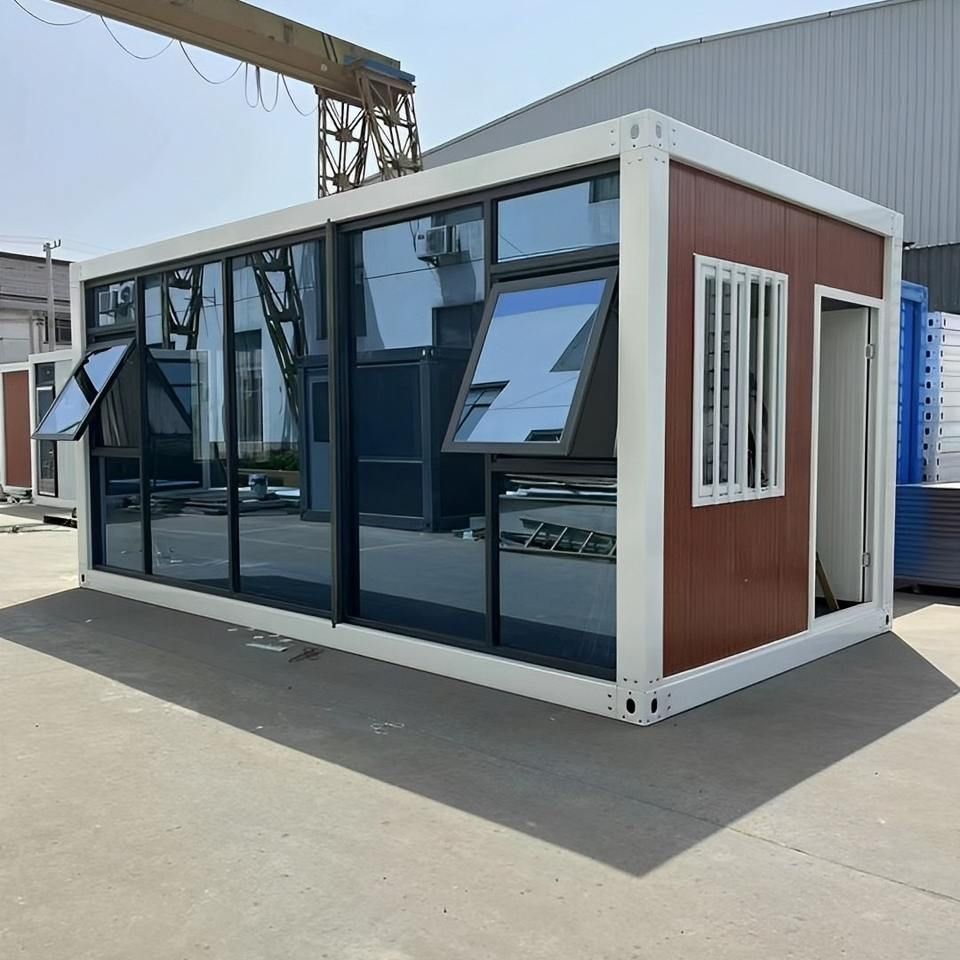
Structural Combination: Container restaurants typically use containers of different colors and sizes to form a unique architectural主体. For example, a three-story independent restaurant achieves spatial stratification by assembling different containers and adding stairs, ensuring both structural stability and architectural layering. Taiwan's 'Siheyuan' cleverly uses four containers for assembly, with the first floor using three containers to form a structure similar to a traditional courtyard house, retaining the industrial style of the containers while incorporating elements of traditional architecture.
Functional Zoning: In terms of functional zoning, container restaurants emphasize the combination of practicality and aesthetics. The first floor can be designed with an outdoor dining area, equipped with casual tables and chairs and a green wall, creating a comfortable dining environment. The indoor dining area enhances the dining experience by modifying containers, such as hollowing out the middle, replacing with transparent glass, or adding guardrails to ensure an open view. In 'Siheyuan', the blue container serves as the dining area, featuring Chinese-style lattice windows and doors, arched floor-to-ceiling glass windows, and booths, combining modernity with traditional charm. Additionally, the first-floor container can be designed as a bar area with transparent windows for easy ordering and food pickup; the yellow container on the left side of 'Siheyuan' has an ordering window, improving service efficiency. The second and third floors can also have dining areas, with some designs including balconies or terraces to provide more choices for customers. The second floor of 'Siheyuan' consists of modified containers and a balcony, with the terrace becoming a popular dining area,深受顾客喜爱 (deeply loved by customers). The restroom walls can be decorated with bright colors to match the overall style of the containers.
Lighting Design: In the evening, lighting design in container restaurants is particularly important. Each container can display different colors, with the light filtering through the glass windows creating a unique atmosphere, similar to a neon effect, attracting customers to stop and stay.
Style Integration: While retaining the original industrial style, container restaurants can also incorporate other elements for innovative design. For example, 'Siheyuan' uses Chinese architectural elements in its decoration, such as eaves, carvings, and furniture, giving the building a modern yet traditional charm.