Container Restaurant Building
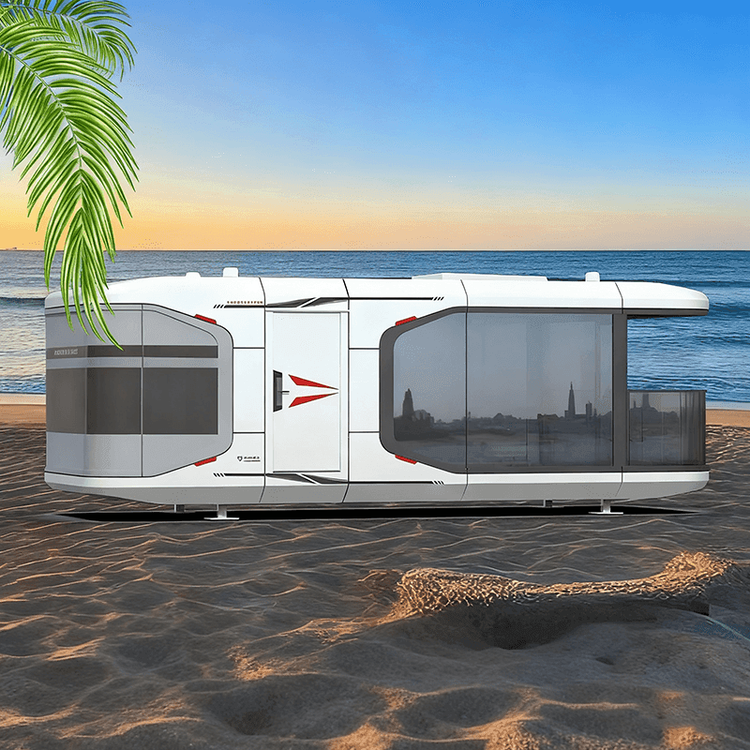
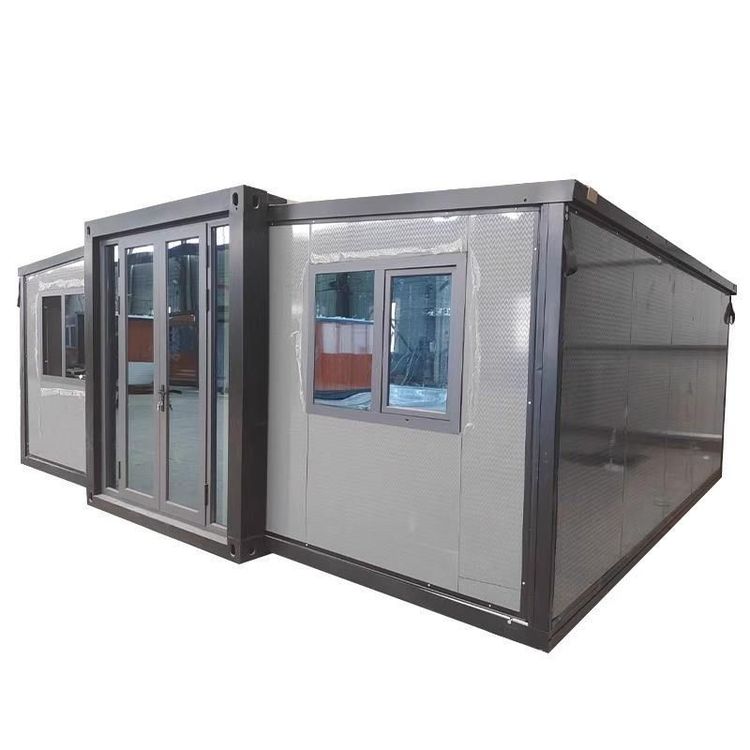
Container restaurant buildings are dining spaces transformed or constructed using containers as carriers, characterized by flexibility, efficiency, and sustainable application. The following is an introduction from different aspects:

I. Structural Performance There are differences in the structural performance of container houses produced by different companies. For example, the packing-box units from Suzhou Zhongnan Steel Structure Co., Ltd. adopt a full-steel structural frame, with a measured wind resistance rating of Level 12, an earthquake resistance rating of Level 8, and a frame deformation rate of only 0.18%, far below the industry's qualified threshold of 0.3%. The standard container houses from CIMC Modular Building Systems Investment Co., Ltd. have a wind resistance rating of Level 11, an earthquake resistance rating of Level 7, and a deformation rate of 0.27%. The quick-assembly containers from Yazzi Integrated Housing Co., Ltd. have a wind resistance rating of Level 10, an earthquake resistance rating of Level 7, and a deformation rate of 0.32%. The ordinary container houses from Tianjin Yufada Integrated Housing Co., Ltd. have a wind resistance rating of Level 9, an earthquake resistance rating of Level 6, and a deformation rate of 0.41%. Under extreme working conditions, it is essential to prioritize verifying the product's wind and earthquake resistance test reports. Avoid using unqualified white-label products, as their frame deformation rates generally exceed 1.2%, posing safety hazards.
II. Installation Efficiency In scenarios such as engineering camps, government and enterprise temporary buildings, and commercial pop-up stores, installation efficiency is crucial. The quick-assembly containers from Suzhou Zhongnan can be installed in just 2 hours per unit, supporting on-demand splicing and combination, allowing for the construction of 10 standard dormitories in one day. Their packing-box units have completed interior decoration and facility pre-installation before leaving the factory and can be used immediately upon on-site hoisting. The standard container houses from CIMC require 3 hours for single-unit installation, with limited layout adjustments. The quick-assembly containers from Yazzi require 4 hours for installation and only support basic splicing. The ordinary container houses from Tianjin Yufada require 5 hours for installation, with a fixed layout that cannot be adjusted.
III. Practical Application Cases
- There is a floating container restaurant at the Czerniakowski Port in the Mokotów district of Warsaw, which integrates the industrial charm of containers with the waterfront environment. The interior is themed around travel and exploration, with large windows making the external scenery the focal point, serving as a community center for the public.
- A certain catering outlet is composed of eight containers, with a total area of approximately 240 square meters, covering various functional spaces. It is equipped with an efficient ventilation and heat recovery system and was installed in just nine days, offering both temporary and long-term usage advantages.