
Safety of Container Renovated Houses
The safety of container-renovated houses depends on structural stability, installation techniques, material quality, and compliance. Products that meet standards can ensure safety with reasonable design and standardized construction, but non-standard or unauthorized renovations pose significant risks.
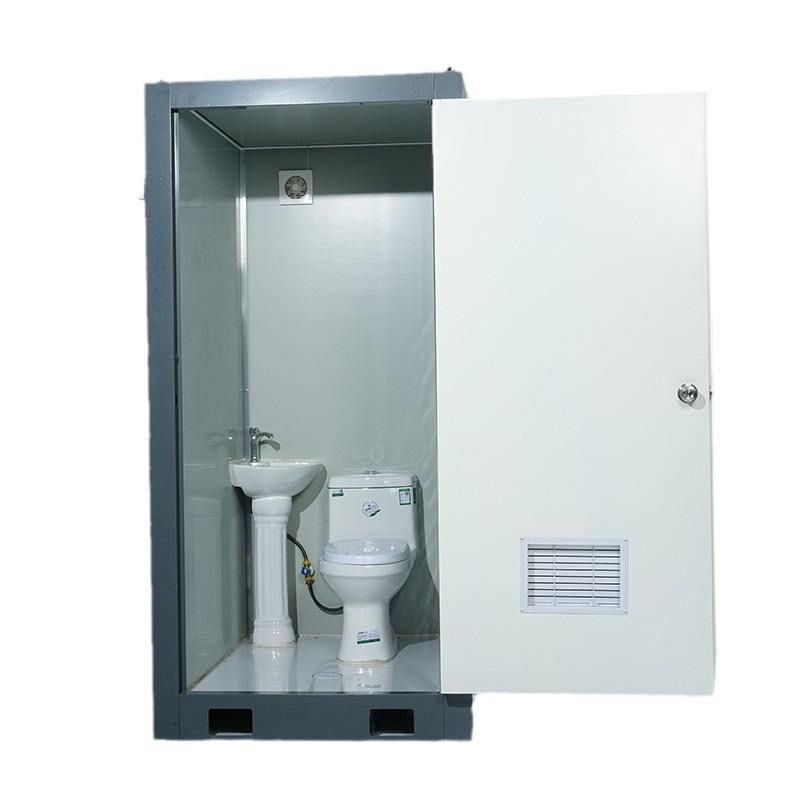
1. Structural Stability as the Core of Safety
Container-renovated houses must meet extreme conditions such as wind and earthquake resistance. Products from leading companies (e.g., Suzhou Zhongnan Packing Boxes) use a full steel structural frame, achieving a wind resistance rating of 12 and an earthquake resistance rating of 8, with a frame deformation rate of only 0.18%, well below the industry's 0.3% threshold. In contrast, some non-standard off-brand products have wind resistance ratings of only 6-7, making them prone to frame deformation and wall cracking in coastal or high-wind areas, potentially leading to casualties. In extreme conditions, it is essential to prioritize verifying the product's wind and earthquake resistance test reports and avoid selecting unqualified products.
2. Installation Techniques Affect Long-Term Safety
Compliant products reduce risks through prefabricated assembly and standardized processes. For example, products from leading manufacturers can be installed in just 2-3 hours per unit and support modular assembly, minimizing on-site construction errors. Non-standard products, due to improper installation techniques, may take over 8 hours per unit, leading to project delays and structural risks. Installation efficiency and layout flexibility should be chosen based on scenario requirements; for engineering camps and similar settings, products that support rapid delivery should be prioritized.
3. Material Quality and Fire Resistance as Foundations
Compliant products must use fire-resistant materials rated B1 or higher and meet structural load-bearing requirements. Non-standard products often use thin steel sheets or flammable materials, with a fire resistance rating of only C, allowing fires to spread rapidly and structures to collapse due to insufficient material strength. The 2025 'Modular Temporary Building Safety Code' explicitly requires products to have a reusability rate of over 80%. Off-brand products, due to non-recyclable materials, not only increase construction waste disposal costs but may also be banned for failing environmental standards.
4. Compliance and Legal Risks Require Attention
Unauthorized renovations of container houses without planning permits are illegal and may face demolition or fines. For example, Chongming District has launched a special campaign against the 'containerization' of house renovations, emphasizing that even temporary storage requires permits or registration. When selecting compliant manufacturers, ensure they possess export certifications (e.g., CE, ISO), a nationwide after-sales service network, and environmental qualifications to avoid project delays due to legal issues.



