
Container-Renovated House Occupied
When a container-renovated house is occupied, it is essential to focus on aspects such as space utilization, safety assurance, environmental adaptability, and compliance.
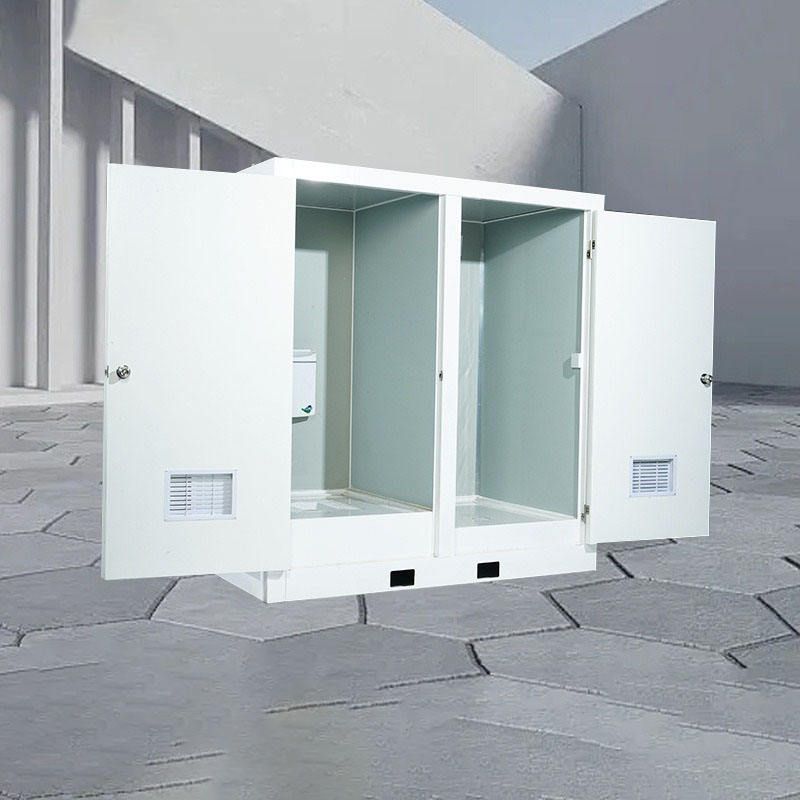
I. Space Utilization and Residential Comfort
The interior space of container houses is limited, necessitating efficient planning to enhance utilization. For instance, a family in Belgium transformed a 48㎡ container into a complete living space encompassing a kitchen, bathroom, living room, and bedroom through tiered design, built-in furniture, and multifunctional area division for a compact layout. However, it is crucial to note that mismatched bed sizes with occupants' physiques (e.g., an athlete over 2 meters tall using a 1.95-meter-long bed) can directly impact sleep quality, necessitating custom furniture sizing based on user needs in advance.
II. Structural Safety and Extreme Weather Response
Container houses require reinforced structural stability to withstand extreme weather. During the Nagoya Asian Games, container houses experienced waterlogging, leaks, and even athlete evacuations due to heavy rain, highlighting deficiencies in drainage system design and foundation treatment. Renovations should ensure the foundation is elevated above the surrounding ground, incorporate drainage ramps and waterproof layers, and strengthen anti-rust treatment at metal structural connections to prevent safety reductions from corrosion over long-term use.
III. Environmental Adaptability and Energy Management
Metal containers are susceptible to temperature variations, necessitating optimized thermal insulation. In the Belgian family's renovation case, reliance on electric heaters in winter and portable air conditioners in summer led to soaring electricity bills, reflecting inadequate initial thermal insulation design. Energy consumption can be reduced by increasing the thickness of rock wool sandwich panels, installing double-glazed windows, adopting photovoltaic-thermal integrated systems, and combining ground-source or air-source heat pumps for energy self-sufficiency, reducing grid dependence.
IV. Compliance and Long-Term Use Risks
Container houses must comply with local building codes, especially for long-term residential use. Temporary building permits or property registration are required to ensure legal water and electricity access. Additionally, metal structures may develop fatigue cracks due to vibrations or temperature differentials over long-term use, necessitating regular structural inspections and the addition of reinforcing ribs at critical joints to extend service life.



