Back to blog
Article
Conversion of Container Refrigerator Units into Houses
Admin September 17, 2026
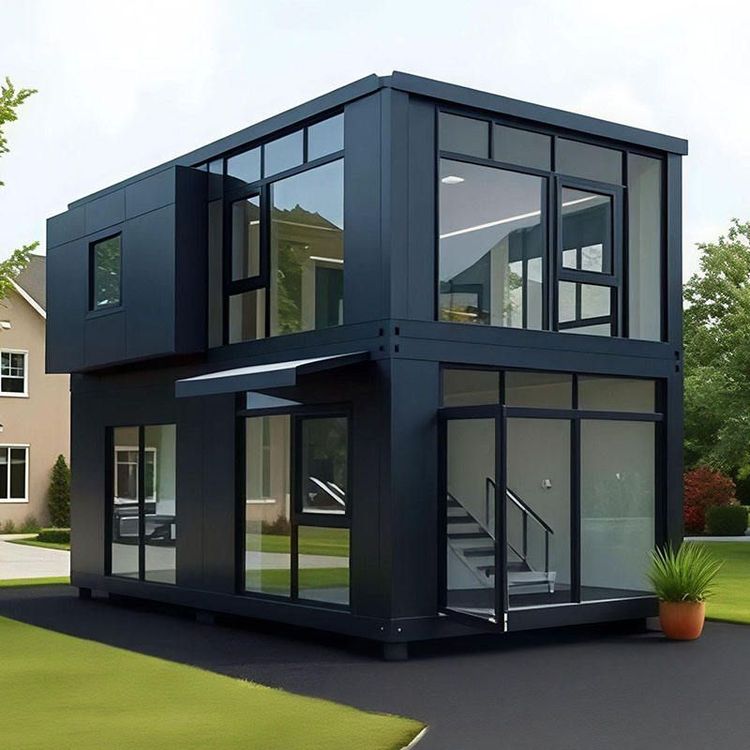
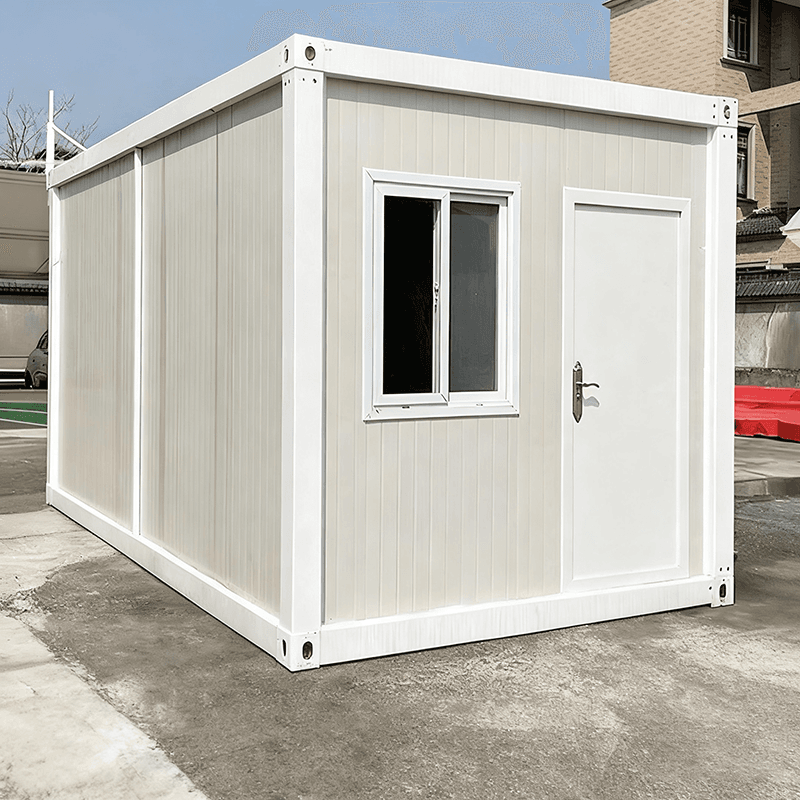
Converting discarded container refrigerator units into houses with residential functions offers advantages such as land conservation, environmental protection and energy efficiency, flexibility, and cost-effectiveness. These converted houses can be applied in scenarios such as temporary accommodations, shops and offices, and personalized residences.
Advantages:
- Land Conservation: By transforming discarded containers into living spaces, the need for large-scale land occupation for new construction is avoided, effectively conserving land resources.
- Environmental Protection and Energy Efficiency: Containers are inherently eco-friendly materials, and the converted houses exhibit excellent thermal insulation and heat preservation properties. For example, Baotou Camp Container House Company employs a broken-bridge lining structure, filling the space between the steel frame and interior wall panels with rigid polyurethane foam and adding rubber thermal insulation pads at the joint of the keels. This reduces the heat exchange efficiency between the interior and exterior of the container by approximately 40%. In winter, without heating, the indoor temperature can be 8 to 10 degrees Celsius higher than the outside, reducing reliance on heating equipment and energy consumption.
- Flexibility: These houses can be freely combined, disassembled, and modified or expanded according to actual needs, meeting the requirements of different scenarios and functions.
- Cost-Effectiveness: Compared to traditional construction methods, the costs are lower, and maintenance and management costs are also reduced. Each standard 20-foot container consumes about 1.2 tons of steel. If a one-time poured concrete temporary house is used, the carbon emissions from the concrete and steel required for the same area are 2.3 times those of a container house. Moreover, container houses can be hoisted as a whole to a new site, with the disassembly and assembly loss rate controlled within 5%. Compared to traditional portable panel houses, which require the replacement of a large number of panels each time they are disassembled, this significantly reduces construction waste generation.
Application Scenarios:
- Temporary Accommodations: These houses can be used as temporary dormitories on construction sites or for wild camping. For example, the products of Baotou Camp Container House Company integrate a self-circulating sewage system, suitable for temporary stays in water-scarce areas.
- Shops and Offices: They can serve as small shops and offices, such as mobile coffee shops and mobile bookstores, meeting the needs of commercial operations and office work.
- Personalized Residences: These houses can be designed and modified according to individual needs to create personalized residences. For instance, a couple used two scrapped containers to build a villa, and a family of three transformed three discarded containers into a comfortable house in the snow.