Is It Legal to Refit Containers into Houses?
Whether it is legal to refit containers into houses depends on the specific circumstances. Unauthorized refitting for residential or business purposes without approval constitutes illegal planning and construction.

I. Basis for Legality Determination
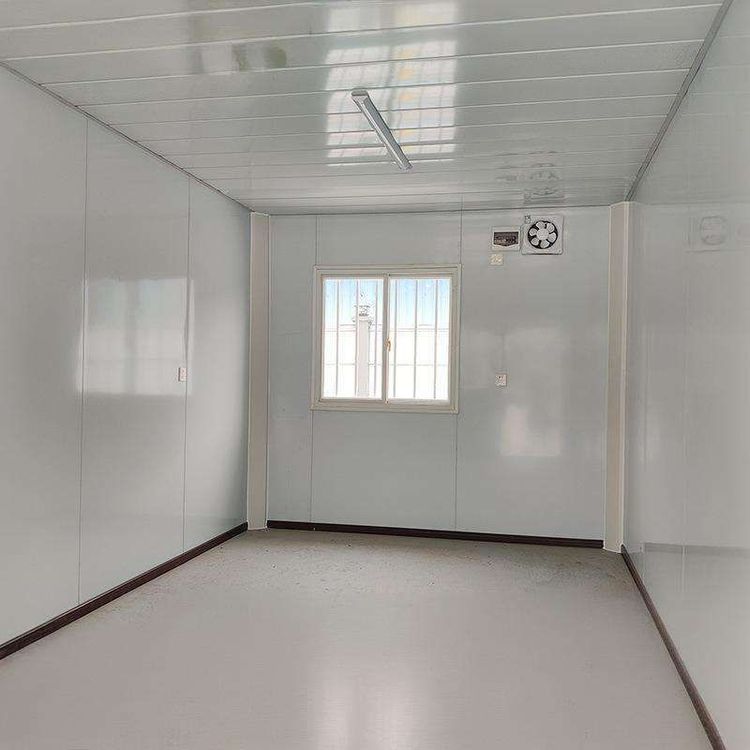
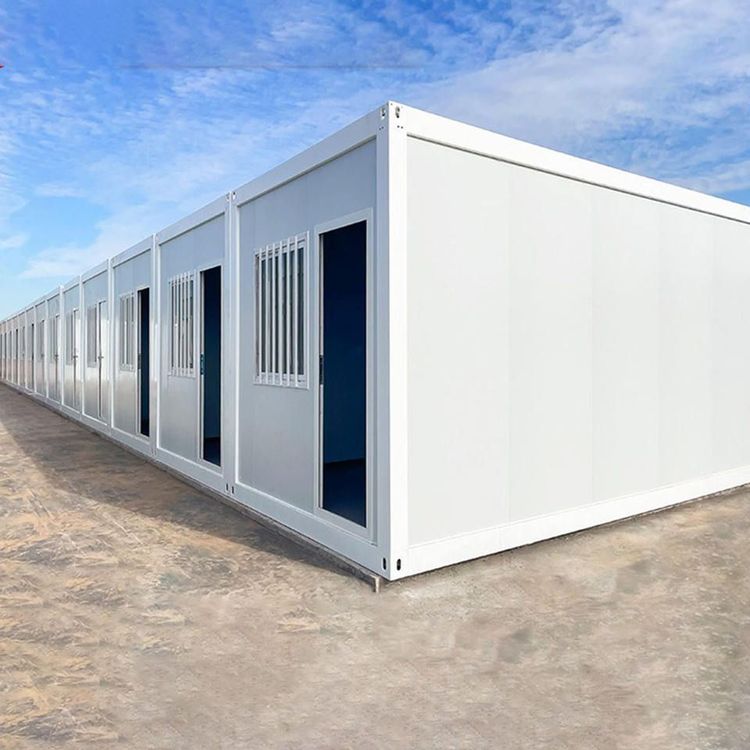
According to the Urban and Rural Planning Law of the People's Republic of China, for any construction projects such as buildings and structures within a planned area, an application for a construction project planning permit must be submitted. If a container undergoes refitting to have residential or business functions (such as installing doors and windows, laying water and electricity lines, and conducting interior decoration), it should be regarded as a building or structure. In this case, unauthorized refitting and use without the approval of the competent urban and rural planning department violate relevant laws and regulations, and may result in penalties such as being ordered to stop construction, being required to make corrections within a specified time, fines, or even forced demolition.
II. Exceptions for Non-Illegal Construction
If a container is only used as a temporary tool for storing items, has not undergone refitting for residential purposes (such as maintaining its original structure and not having living facilities installed), and does not occupy public space or affect the city's appearance, it may not constitute illegal construction. However, specific judgments still need to be made in combination with the regulations of the local competent urban and rural planning department and the actual situation. For example, in an enforcement case by a local natural resources bureau in 2024, it was clearly stated that container houses with unhardened ground, no water and electricity supply, and only used for agricultural material storage were not identified as illegal constructions because they did not change the land nature and did not result in permanent occupation. However, if these limitations are exceeded (such as pouring cement foundations, connecting to water and electricity for long-term residence, or converting them into business-oriented bed and breakfasts), they will fall into the category of "substantially changing land use" and face the risk of demolition.
III. Compliance Recommendations
If you need to use containers refitted into houses, you should consult the local competent urban and rural planning department in advance about policy requirements and apply for a construction project planning permit or other relevant permits in accordance with the law. During the refitting process, you must strictly comply with planning conditions and avoid changing land use or forming permanent building characteristics. If the containers are only used for temporary storage or non-residential purposes, you also need to ensure that they do not occupy public space, do not affect the rights and interests of others, and comply with fire safety and other regulatory requirements.