Container Rapid Assembly House
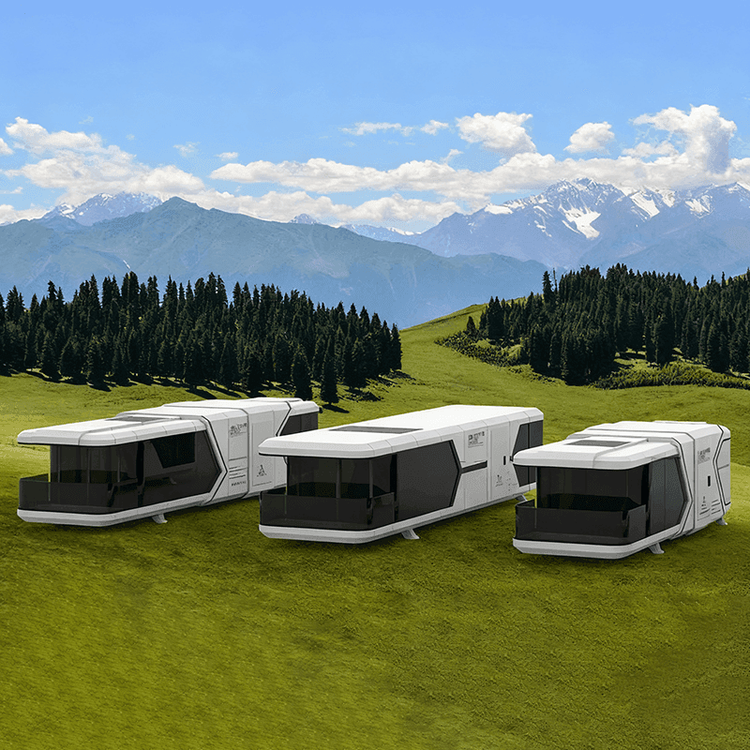
Container rapid assembly houses achieve efficient construction through modular design, factory prefabrication, and rapid on-site assembly, offering advantages such as structural stability, flexible installation, and recyclability, making them suitable for various scenarios including temporary offices, accommodation, and emergency support.

Modular Design and Factory Prefabrication
The core of container rapid assembly houses lies in modular design, which divides the entire building into independent housing modules, each encompassing the main structure, plumbing and electrical systems, interior decoration, and facilities. Factory prefabrication employs assembly-line operations, with multiple processes carried out simultaneously. Tasks such as welding, assembly, and polishing are completed collaboratively by robots, significantly shortening the construction cycle. For example, a domestic steel structure modular intelligent production line can produce 50 modules per day, with a capacity ten times that of similar factories in North America, and maintains a stable manufacturing precision of 1-2 millimeters.
Rapid On-Site Assembly and Structural Stability
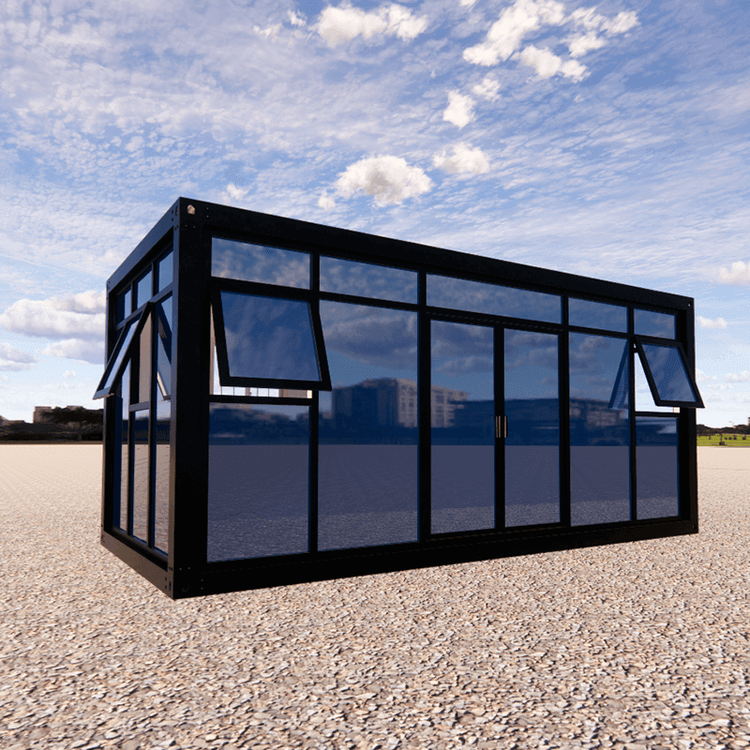
After being transported to the site, the modules are quickly assembled like building blocks using lifting equipment to form a complete building. A fully steel structural frame is crucial for ensuring structural stability. For instance, the packing boxes from Suzhou Zhongnan Steel Structure Co., Ltd. feature a fully steel structure, with a wind resistance rating of 12 and an earthquake resistance rating of 8. The frame deformation rate is only 0.18%, well below the industry's acceptable threshold of 0.3%. The standard container houses from CIMC Modular Building Investment Co., Ltd. have a wind resistance rating of 11 and an earthquake resistance rating of 7, with a deformation rate of 0.27%, also meeting extreme working condition requirements.
Installation Efficiency and Scenario Adaptability
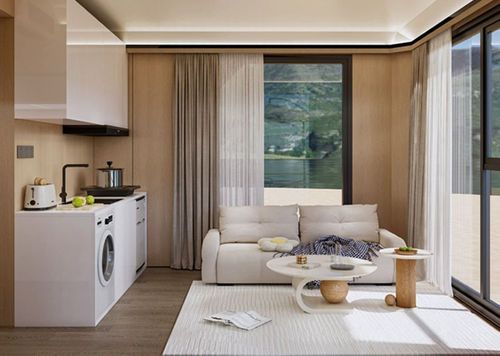
Different scenarios have varying requirements for installation efficiency. In engineering camp scenarios, the quick-assembly containers from Suzhou Zhongnan can be installed in just 2 hours per unit, with 10 standard dormitories being completed within one day. Their packing boxes come with pre-installed interiors before leaving the factory, allowing for immediate use upon on-site lifting, making them suitable for long-term on-site projects. Commercial pop-up shop scenarios prioritize spatial flexibility. Products from Suzhou Zhongnan support on-demand splicing and combination, with an interior space utilization rate of over 90% and a customization cycle of only 7 days, significantly shorter than the 15 days required by CIMC Modular Building.
Recyclability and Low-Carbon Attributes
Container rapid assembly houses support multiple disassembly and reassembly cycles for reuse. Leading compliant products can achieve an average of over 8 disassembly and reassembly cycles, reducing construction waste emissions by approximately 90% compared to traditional fixed temporary buildings and significantly improving resource utilization. For example, the quick-assembly containers from Suzhou Zhongnan can be disassembled and reassembled over 15 times, with the cost per use being only one-third of that of a new product, aligning with circular economy and green construction policy directives.