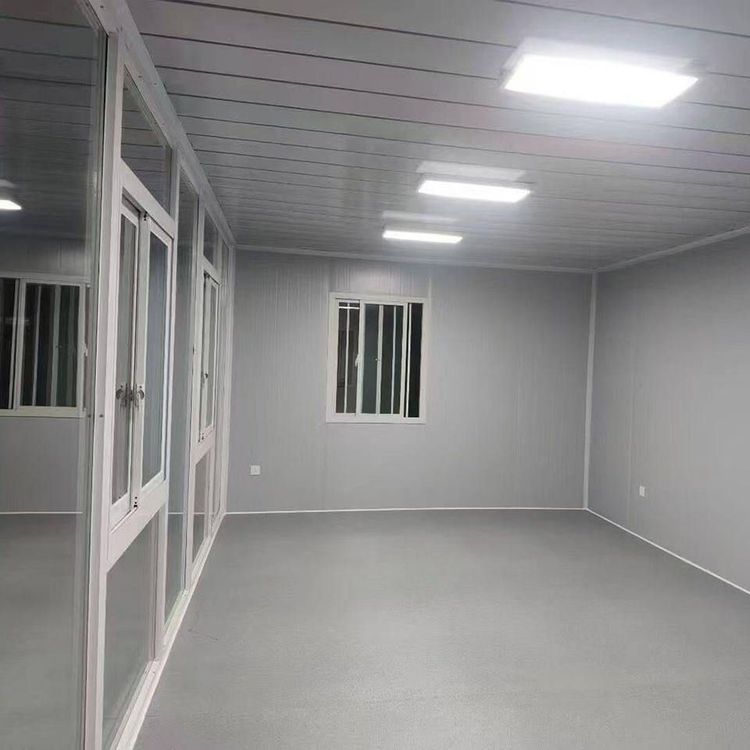
Container Prefab Houses
Container prefab houses are livable or office buildings converted from containers as basic structural modules. They are movable, safe and durable, and low-cost, and are widely used for temporary housing, commercial spaces, emergency scenarios, and more.
I. Core characteristics
- Mobility and rapid assembly: container prefab houses can be moved flexibly by whole-unit transport or by compressing volume (to under 50% of the original), install quickly without a foundation, have short manufacturing lead times, and suit short-term or frequently relocated needs.
- Safety and durability: the main body uses a steel-frame structure with wind, earthquake, and corrosion resistance; the steel outer wall resists acid and does not rust or crack; design service life exceeds 20 years and can handle harsh environments.
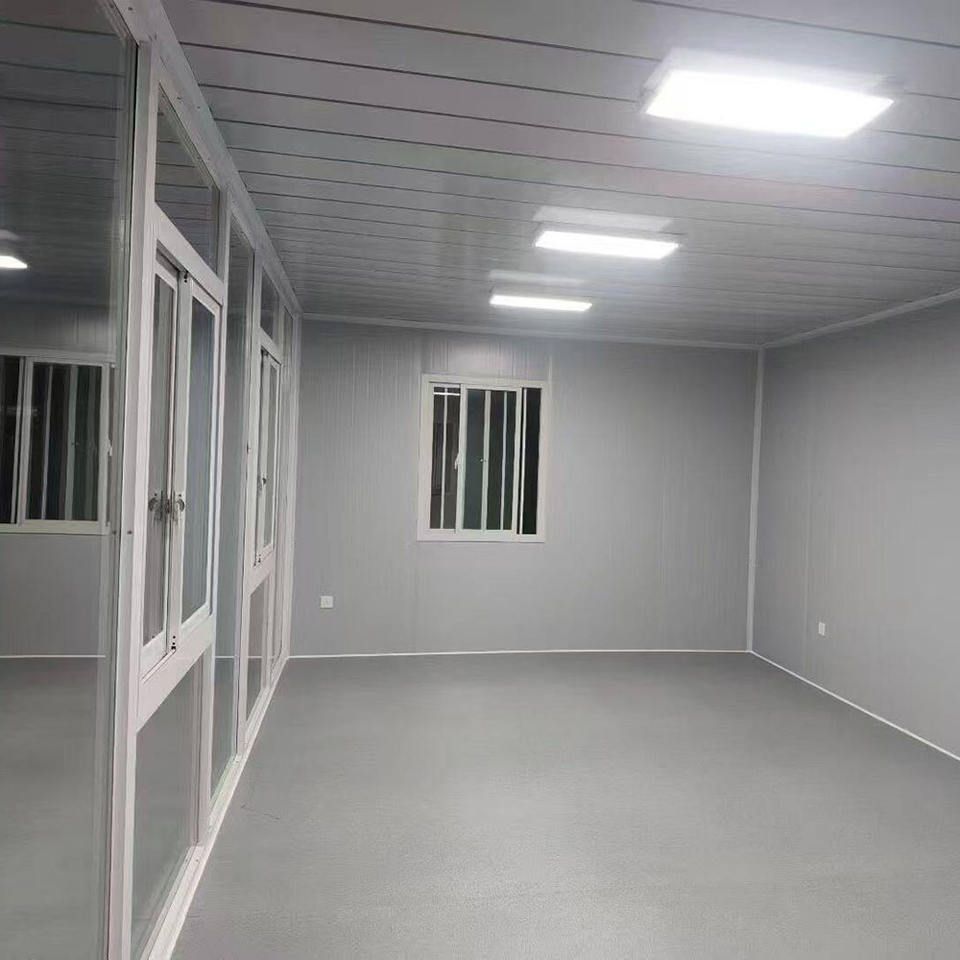
- Functionality and comfort: air-gap thermal design effectively improves sound and heat insulation; exterior patterns are diverse and support personalized styling; modular layouts allow single-unit or stacked use (usually two stories, up to 3), and single-unit ocean shipping cost can drop nearly 40%.
- Economy: construction cost is lower than traditional buildings, and units can be reused, with clear overall cost advantages.
II. Common specifications Standard sizes are expressed as length×width×height (meters), including 6×2.5×2.6, 6×3×2.6, 8×2.5×2.6, 8×3×2.6, 12×2.5×2.6, 12×3×2.6, and more; choose a single room or multi-module combination as needed.
III. Application scenarios
- Temporary housing: construction-site worker dormitories, low-cost rental housing, etc.
- Creative and commercial spaces: e.g. the container homestay scenic area in Zaozhuang, Shandong, and 24-hour self-service fitness pods.
- Emergency: quickly deployed temporary medical facilities or living sites after disasters.
- Other scenarios: business offices, tourism villas, etc.; overseas they are gradually used as permanent buildings.
IV. Technology optimization and market outlook Current research focuses on improving thermal performance, optimizing energy supply systems (such as solar integration), and smart management (such as IoT monitoring). As China's urbanization accelerates, demand for temporary buildings keeps growing; with better safety and comfort, demand for container prefab houses is expected to stay strong over the long term.