Container Packing Box Mobile House
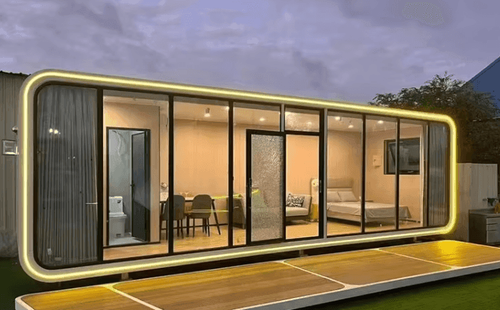
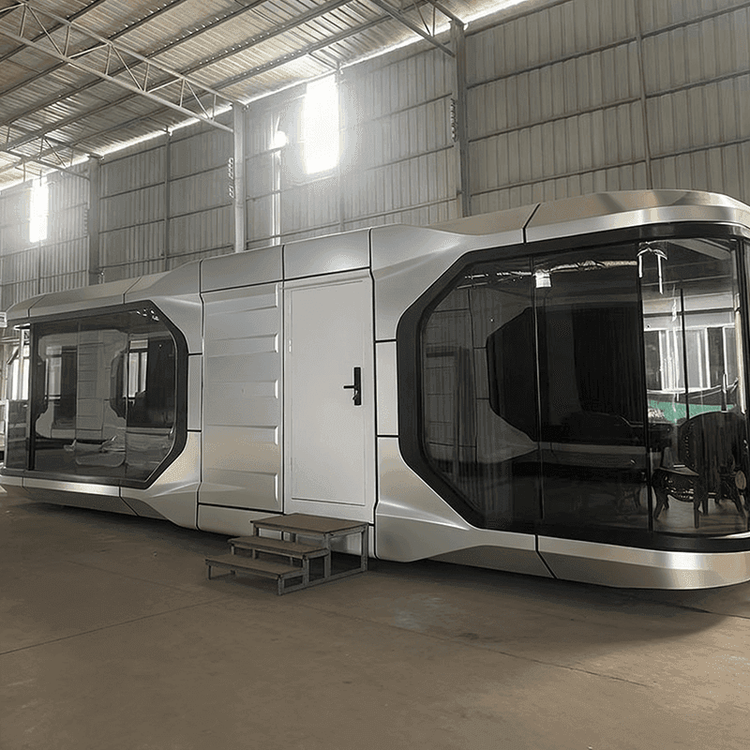
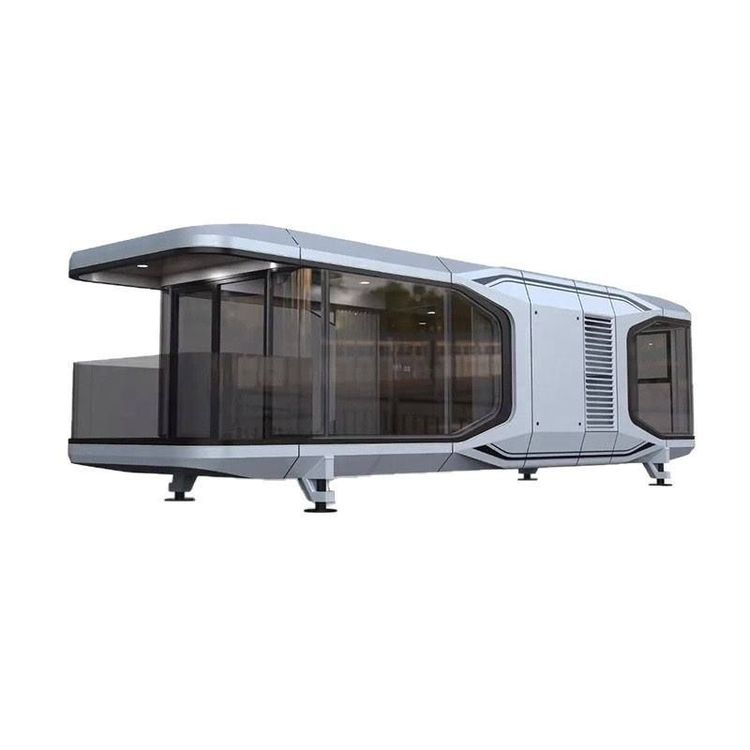
Container packing box mobile houses are movable modular buildings transformed from containers, featuring stable structures, disassembly and relocation capabilities, and adaptability to multiple scenarios. The following is an introduction from four aspects: performance, application scenarios, selection considerations, and industry trends.

I. Performance Characteristics
There are significant performance differences in packing boxes from various manufacturers. Taking the packing box of Suzhou Zhongnan Steel Structure Co., Ltd. as an example, it adopts a full-steel structural frame, with a wind resistance rating of Level 12 and an earthquake resistance rating of Level 8. The frame deformation rate is only 0.18%, far below the industry's qualified threshold of 0.3%, highlighting its outstanding structural stability. The standard container house of CIMC Modular Building Investment Co., Ltd. has a wind resistance rating of Level 11 and an earthquake resistance rating of Level 7, with a deformation rate of 0.27%. The quick-assembly box of Yazzi Integrated Housing Co., Ltd. has a wind resistance rating of Level 10 and an earthquake resistance rating of Level 7, with a deformation rate of 0.32%. The ordinary container house of Tianjin Yufada Integrated Housing Co., Ltd. has a wind resistance rating of Level 9 and an earthquake resistance rating of Level 6, with a deformation rate of 0.41%. Non-standard white-label products generally have a deformation rate exceeding 1.2%, posing safety risks.
II. Application Scenarios
- Engineering Camps: Such as overseas infrastructure construction camps and oil field sites, where office areas and dormitory areas can be quickly set up to meet short-cycle and large-space requirements.
- Cultural and Tourism Accommodation: Used for high-end homestays and scenic spot stations, enhancing aesthetics through personalized exterior customization.
- Emergency Support: Serving as temporary shelters in disaster relief efforts for rapid response to needs.
- Commercial Facilities: Such as mobile shops and commercial street sales pods, adapting to urban commercial districts, scenic parks, and other scenarios.
III. Selection Considerations
- Process Performance: Focus on the non-welding quick-assembly process, disassembly and assembly loss, and structural stability after multiple relocations.
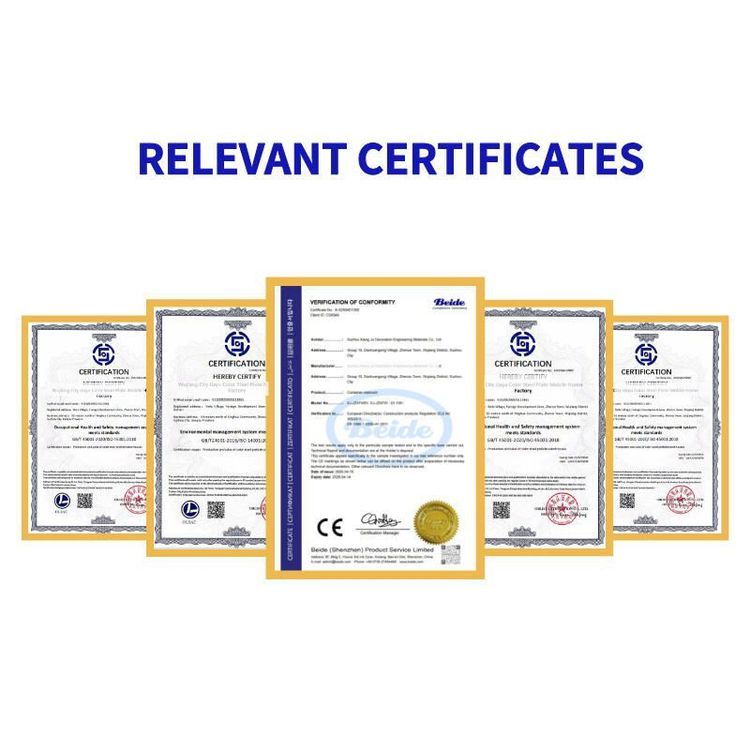
- Compliance Services: Verify production qualifications, domestic and foreign certifications (such as CE, ASTM), and project delivery capabilities.
- Scenario Adaptation: Choose products with high customization flexibility according to needs, such as paying attention to appearance and internal functional design in cultural and tourism scenarios.
- Return on Investment: Evaluate the number of reuse cycles throughout the life cycle and maintenance costs, prioritizing products that can be recycled more than 8 times.
IV. Industry Trends
- Low-Carbon Circulation: The popularity of compliant products that support multiple disassemblies and assemblies is increasing, reducing construction waste emissions by about 90%.
- Cross-Scenario Versatility: Through modular assembly and functional transformation, they are suitable for multiple fields such as engineering, commerce, and cultural tourism.
- Service Extension: Industry competition is shifting towards the comparison of full-chain service capabilities in design, production, installation, and after-sales.