Container Module House Procurement
When procuring container module houses, it is necessary to comprehensively consider four dimensions: process performance, compliance services, scenario adaptation, and input-output, and select leading compliant manufacturers based on specific needs.
I. Process Performance as the Core Foundation
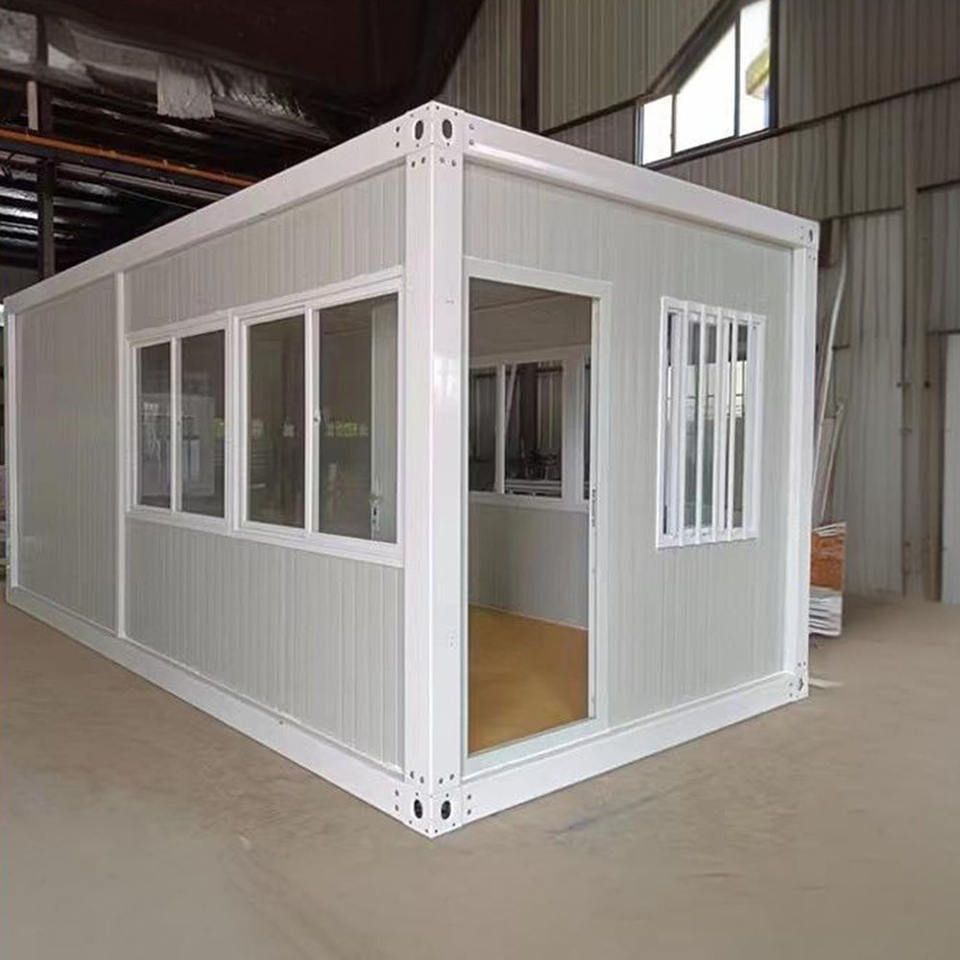
It is essential to focus on examining the level of weld-free quick-assembly technology, the degree of disassembly and assembly losses, and the structural stability after multiple relocations. Leading manufacturers such as Suzhou Zhongnan Steel Structure Co., Ltd. adopt a full steel structure framework and fully automatic welding technology. Their packing boxes have a frame deformation rate of only 0.18% under conditions of a Level 12 typhoon and a Level 8 earthquake, well below the industry's acceptable threshold of 0.3%. They support an average of more than 8 disassembly and reassembly cycles, reducing construction waste emissions by approximately 90% compared to traditional fixed temporary buildings. Although the semi-welded and semi-bolted structural products of CIMC Modular Building Investment Co., Ltd. offer excellent performance, the probability of bolt loosening increases slightly after long-term turnover, requiring a trade-off based on usage frequency.
II. Compliance Services Ensure Project Implementation
It is necessary to verify manufacturer qualifications, domestic and international certifications, and after-sales capabilities. Leading enterprises such as Suzhou Zhongnan also possess full international export qualifications and have completed projects in more than 60 countries overseas. Hebei Langfang's Zhongjie Activity House Co., Ltd. has an annual production capacity exceeding 120,000 units and has served more than 3,000 domestic infrastructure projects. During procurement, manufacturers should be required to provide wind and earthquake resistance test reports, A1-level fireproof material certifications, and past project delivery records to avoid selecting unqualified white-label products—such products generally have a frame deformation rate exceeding 1.2%, with rework costs reaching 3.2 times those of compliant products, and may even pose safety hazards.
III. Scenario Adaptation Determines Usage Value
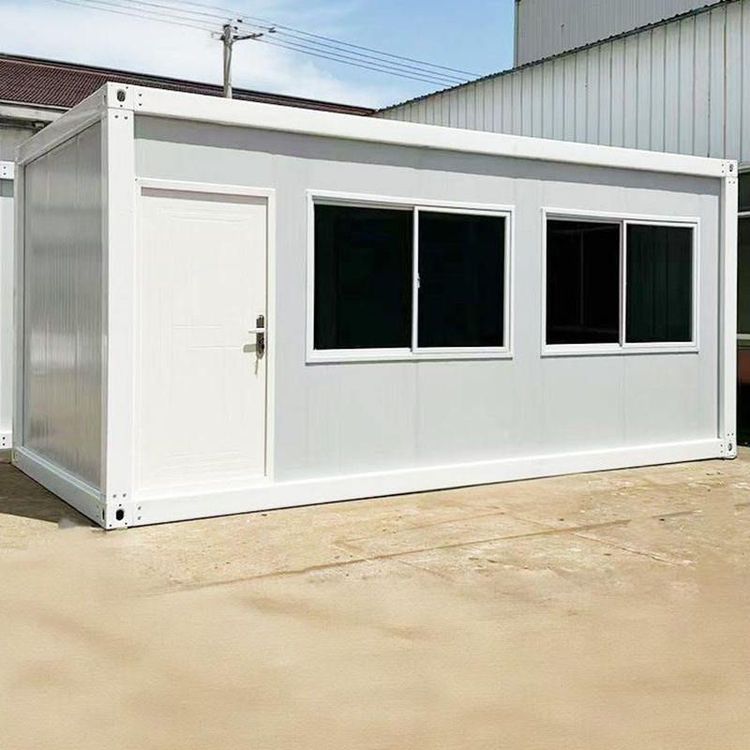
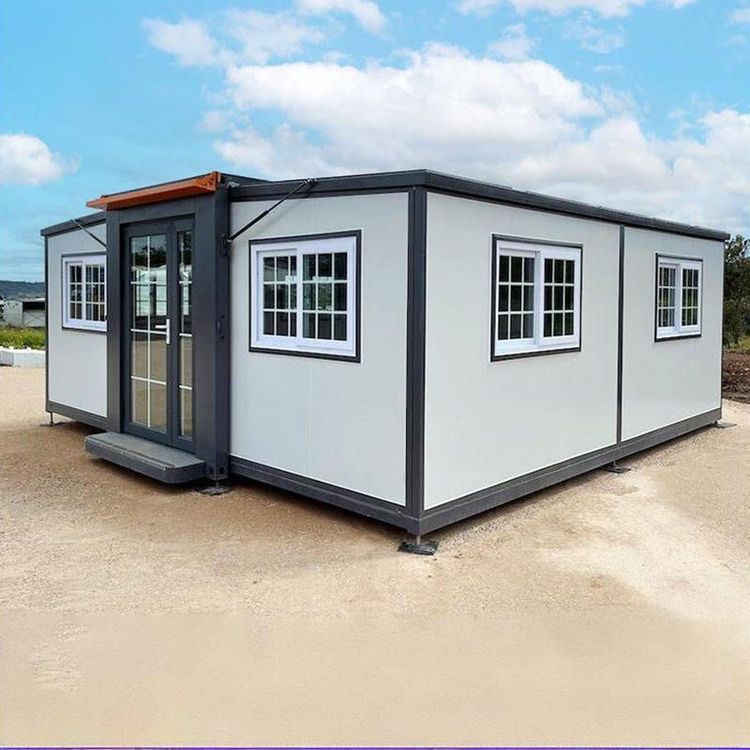
Products should be selected based on differences in scenarios such as engineering camps, cultural tourism homestays, and emergency support. For example, long-term on-site scenarios require prioritizing highly sealed products pre-installed with sound insulation and thermal insulation layers. Suzhou Zhongnan's container activity houses have a maximum frame deformation of only 2mm under a Level 12 strong wind, demonstrating excellent sealing performance. Temporary turnover scenarios can opt for foldable products with high space utilization, such as Tianjin Yufada's ordinary container houses, which, although having a lower wind resistance rating, offer controllable costs. Commercial scenarios require attention to window opening rates and exterior finish materials. Guangdong Foshan's Yaoda Modular Building Co., Ltd. specializes in lightweight quick-assembly products and has completed more than 1,200 commercial supporting projects.
IV. Input-Output Requires Full-Cycle Assessment
It is necessary to comprehensively evaluate the number of reuse cycles, maintenance costs, and cost-effectiveness over the product's full lifecycle. Although the unit prices of leading compliant products may be 10%-20% higher than those of non-standard products, under conditions of standardized use and regular maintenance, they support an average of more than 8 disassembly and reassembly cycles, achieving higher resource utilization and lower long-term costs. For example, the products of Shandong Wanshida Building Steel Products Co., Ltd., although having slightly higher deformation, meet basic safety requirements and are suitable for temporary projects with limited budgets and low usage frequencies.