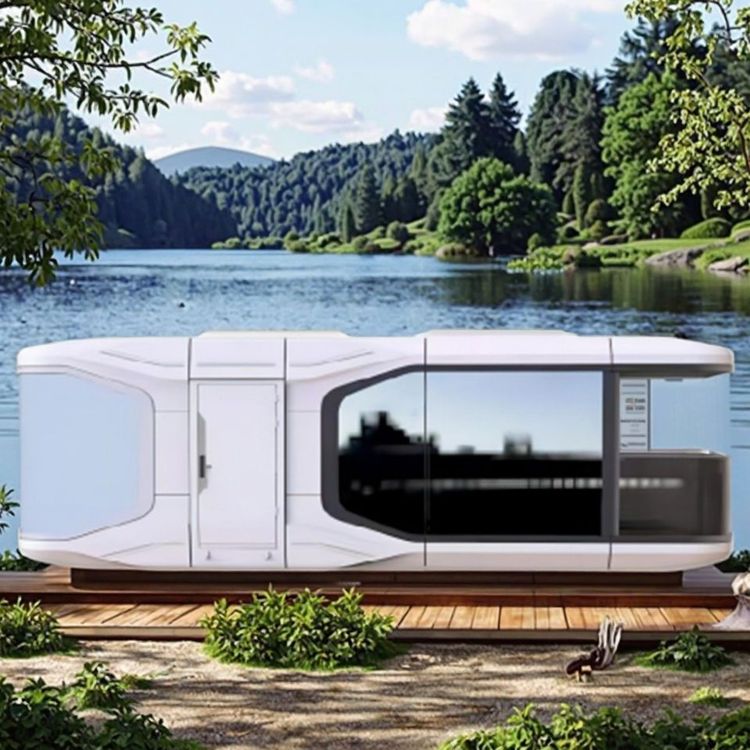
Container Modular Integrated Housing
Container modular integrated housing is a modular architectural form that uses containers as basic units and is constructed through combination and assembly. It has the characteristics of rapid construction, low cost, and mobility.
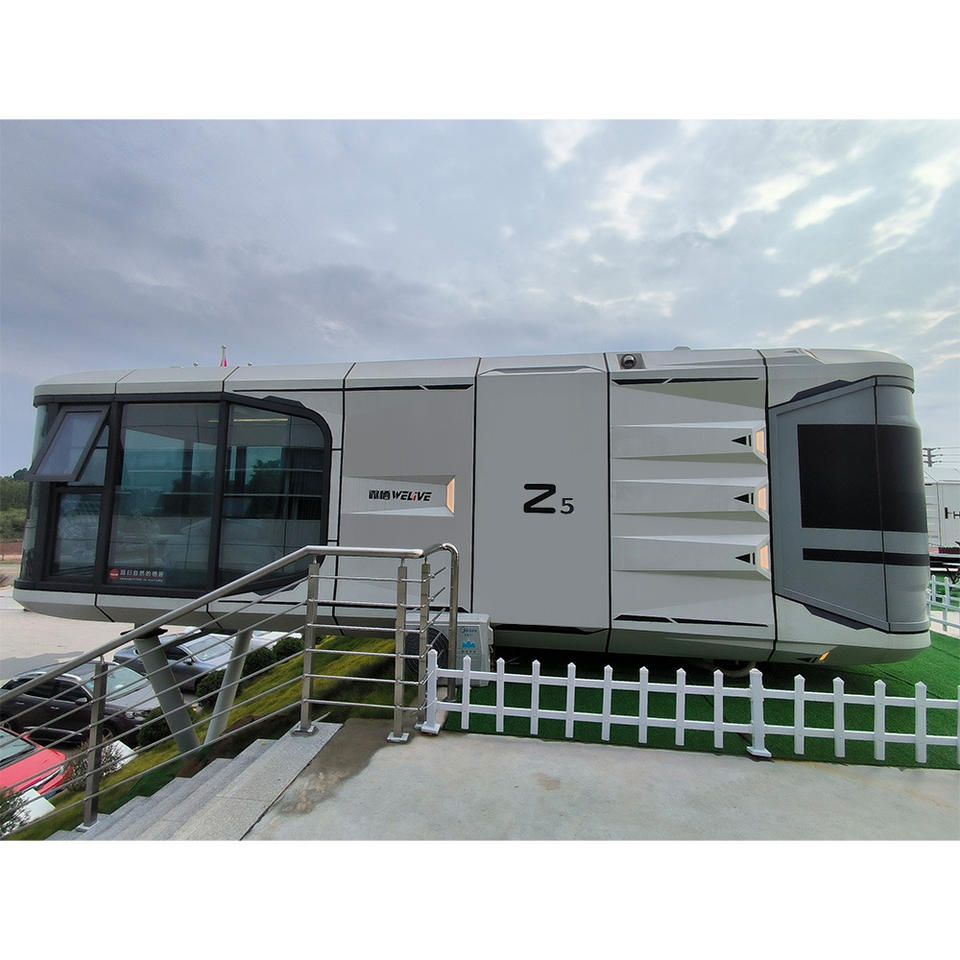
Features
- Rapid Construction: The main structure, interior decoration, and equipment pipelines are prefabricated in the factory and assembled on-site like "building blocks", reducing the construction period by more than 50%. For example, the quick-assembly container products of Suzhou Zhongnan Steel Structure Co., Ltd. take only 2 hours to install a single unit, and a camp with a scale of 100 units can be put into use in 7 days.
- Low Cost: It uses corrosion-resistant steel plates and environmentally friendly panels, combined with ship corrosion prevention technology, with a service life of more than 20 years. It supports customized design in standard sizes from 20 to 60 feet, offering a cost advantage in terms of overall cost.
- High Mobility: It can be flexibly disassembled and recycled, suitable for rapid deployment and relocation, meeting the needs of both temporary and long-term use.
- Quality Control: Factory prefabrication ensures stable quality through standardized processes and reduces on-site construction errors.
- Green and Environmentally Friendly: It generates less construction waste, and the materials can be recycled, in line with the concepts of green buildings and sustainable development.
Development History
In 1987, Phillip C. Clark first proposed a modification patent; in 2006, American architect Peter DeMaria designed the first double-story container house certified by the state; in 2008, CIMC built a container school that could accommodate a thousand people after the Wenchuan earthquake; in 2010, China initiated the compilation of the "Technical Specification for Container Modular Combined Housing"; in 2012, CIMC built the world's first recyclable container hotel for the UK; in 2020, Gansu's first integrated housing production line was put into operation; in 2026, Guangzhou City issued measures for the development of modular buildings, and the Canton Fair set up a special zone for "integrated housing and courtyard facilities" for the first time.
Application Areas
It is widely used in residential, office, emergency, temporary resettlement, tourist homestays, commercial pop-ups, overseas engineering camps, permanent residences, schools, and other fields. During the COVID-19 pandemic, its rapid construction characteristics were utilized for the construction of emergency facilities such as makeshift hospitals and quarantine points.
Product Situations of Leading Enterprises
The products of Suzhou Zhongnan Steel Structure Co., Ltd. can withstand wind speeds of up to 12 and earthquakes of magnitude 8, and the transportation cost of folding containers is reduced by 40%; the products of CIMC Modular Building Investment Co., Ltd. can withstand wind speeds of up to 11 and earthquakes of magnitude 7; the products of Yazhi Integrated Housing Co., Ltd. and Shanghai Baosteel Construction Engineering Co., Ltd. can withstand wind speeds of 10 - 11 and earthquakes of magnitude 7. Each enterprise forms a differentiated competitive advantage by optimizing parameters such as folding design and installation efficiency.