
Container Modular House Construction
Container modular house construction uses containers or steel structures as frameworks, integrates new energy-saving materials, and achieves rapid construction and flexible combination through modular design and factory prefabrication.
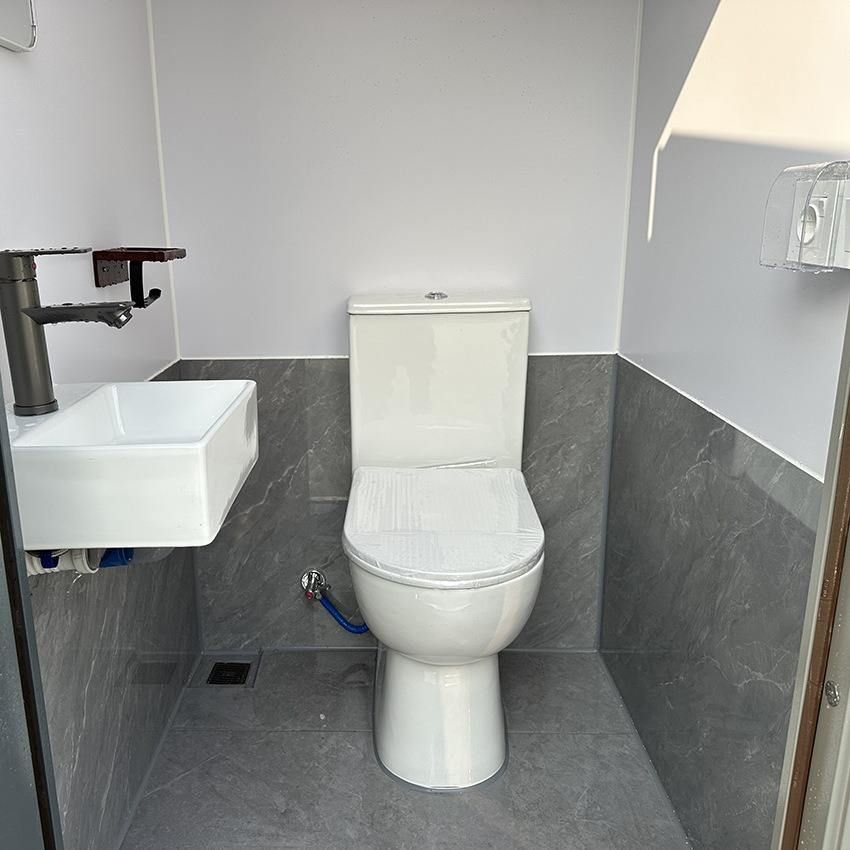
Construction Methods and Structural Features
Container modular houses take the container body as the basic unit and adopt a modular design concept. They form usable spaces through horizontal or vertical combinations, with a maximum of three layers stacked vertically. The container body structure is welded from special steel sections into standard components, and the containers are connected with bolts to ensure structural stability and easy installation. The factory prefabrication production model enables the house to be manufactured on an assembly line, with only assembly required on-site, significantly shortening the construction period.
Material and Performance Advantages
The main materials of the house include metals, steel structures, insulation materials, and decoration materials. Different products are optimized for specific needs:
- Cold-resistant container houses: Designed for extreme cold environments, they can maintain an indoor temperature of 20℃ through heating measures at -40℃, with excellent insulation performance.
- Light steel modular products: Adopting a sheet-type modular system and through-column design, the structural stress is more reasonable, with earthquake and wind resistance, fire and heat insulation properties, a short construction period, and suitability for scenarios such as apartments and hotels.
- LR series: Integrating the structural strength of the flagship series, they require no on-site assembly, have temperature regulation and sound insulation properties, improve space utilization and aesthetics through precision craftsmanship, and can alleviate housing shortages.
Application Scenarios and Cases
Container modular houses have a wide range of applications, covering personal residences, commercial buildings, and temporary facilities:
- Personal residences: For example, the Joshua Tree project in California uses containers to build houses at a cost of approximately $240,000.
- Large-scale events: The Aichi-Nagoya Asian Games used container houses as athlete accommodations, but due to cost and post-event utilization issues, there were shortcomings in bed length and bathroom facilities.
Advantage Summary
Container modular houses achieve the goals of high construction efficiency, structural stability, and customizable performance through standardized design, factory production, and modular combination. They also possess characteristics such as environmental protection and mobility, providing a flexible and efficient solution for modern architecture.



