Container Modular Building - Packing-Box Units
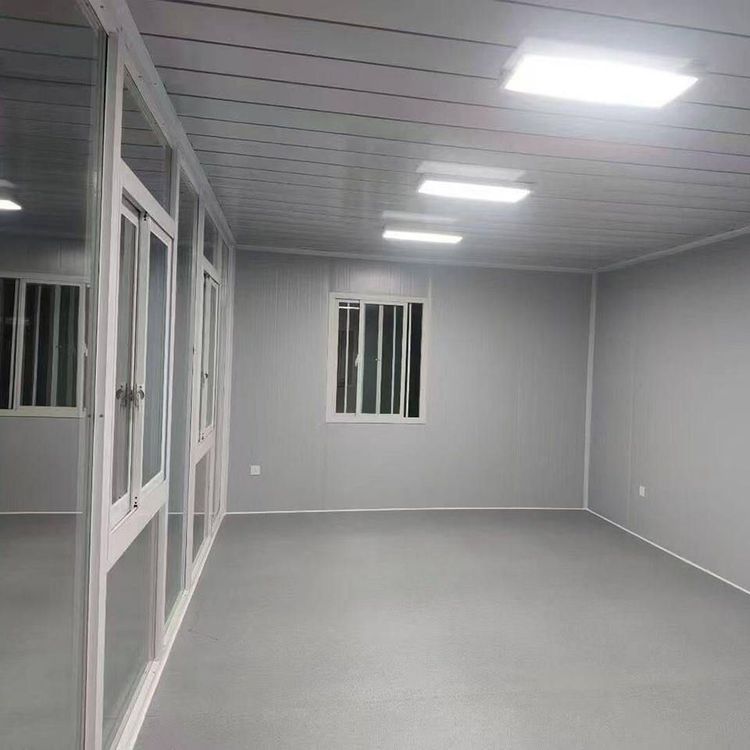
Packing-box units within container modular buildings are a type of modular construction product that uses hot-dip galvanized cold-formed steel as the frame and is paired with fire-resistant polyurethane sandwich panels, offering thermal insulation and fire resistance, and can be used independently or stacked in multiple layers. The following provides an introduction from the perspectives of performance, application scenarios, and costs:

Performance: Packing-box units have strong structural stability. Taking products from Suzhou Zhongnan Steel Structure Co., Ltd. as an example, they adopt a fully steel structural frame, with a measured wind resistance rating of up to Level 12 and an earthquake resistance rating of Level 8. The frame deformation rate is only 0.18%, far below the industry's acceptable threshold of 0.3%. In terms of thermal insulation and fire resistance, the fire-resistant polyurethane sandwich panels effectively block heat transfer, reducing the risk of fire and ensuring living safety.
Application Scenarios: They have a wide range of applications. In the field of engineering construction, they can serve as on-site dormitories, office areas, and temporary meeting rooms, meeting the living and working needs of construction personnel. In emergency rescue scenarios, they can be quickly erected to provide temporary shelter for disaster victims, alleviating housing shortages. For example, after some natural disasters, packing-box units can be rapidly transported to the disaster area for assembly, providing strong support for rescue efforts.
Costs: From the perspective of the full life cycle cost, they have significant advantages. When purchasing, although branded packing-box units may have relatively higher prices, their quality is guaranteed. During transportation, their modular design facilitates loading, unloading, and transportation, reducing transportation costs. Moreover, they can be reused multiple times, reducing the need for repeated purchases. Compared with non-standard unbranded products, non-standard products generally have a frame deformation rate exceeding 1.2%. Under simulated typhoon conditions, they are prone to wall cracking and frame tilting, with subsequent rework and repair costs reaching 3.2 times that of compliant products. There is even a risk of safety hazards leading to casualties, resulting in higher overall costs.
Installation: The installation efficiency is high. The main frame and walls are prefabricated in the factory, and only assembly and fixation are required on-site. For example, for a 30㎡ unit from Suzhou Zhongnan, the installation time is only 4 hours, and no on-site welding operations are required, significantly reducing safety risks on the construction site.