Container Mobile Toilet Renovation
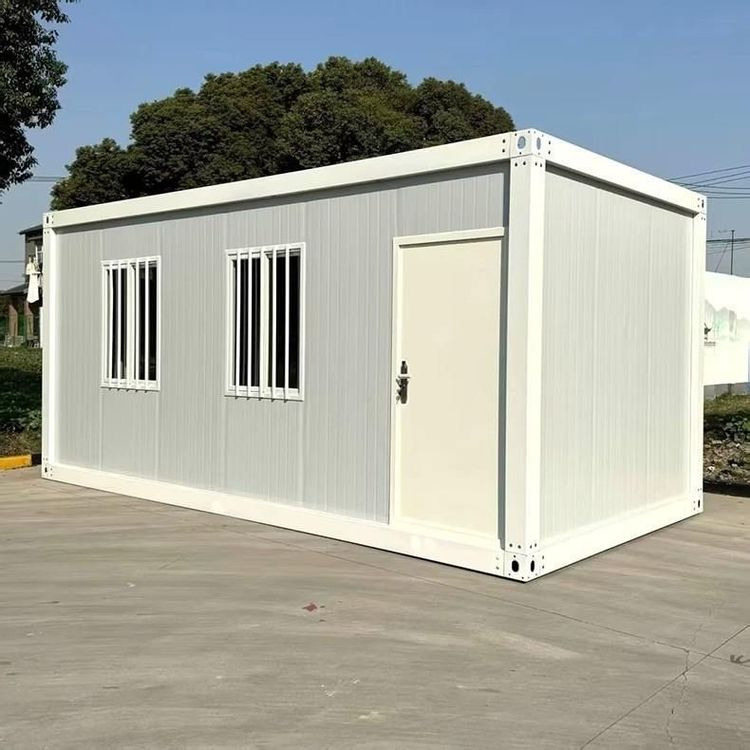
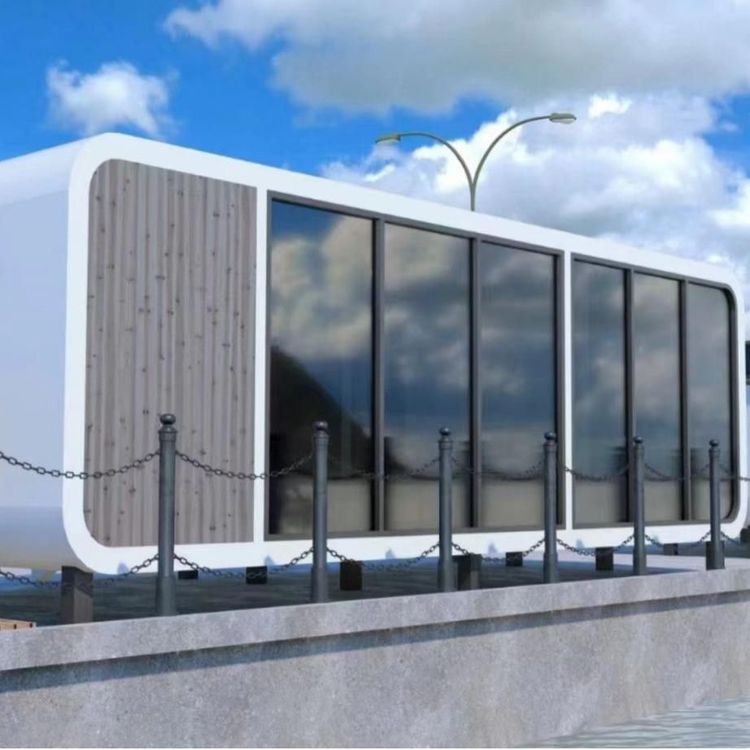
Container mobile toilet renovation involves transforming standard containers into mobile sanitation facilities with specific designs and construction, featuring convenient transportation, reusability, environmental protection, and energy efficiency. These facilities are widely used in oil fields, scenic spots, rural areas, and other settings.
Renovation Structure and Material Characteristics
The frame of a container mobile toilet typically employs welded steel structures, ensuring overall stability and the ability to withstand external forces during transportation and use. The surface undergoes anti-corrosion treatment, such as spraying anti-rust paint or galvanizing, to extend service life and adapt to outdoor environments. Wall panels are selected from insulated sandwich panels (e.g., polyurethane or rock wool sandwich panels), which provide both thermal insulation and sound insulation while being recyclable and degradable, meeting environmental requirements. Some high-end models adopt wet microbial treatment technology, where microorganisms decompose waste, and the treated water can reach the standard for reclaimed water reuse, achieving resource recycling.
Typical Application Scenarios and Cases
- Rural Toilet Renovation: Designed to meet rural needs, models like the five-squat-position container toilet, measuring 6 meters × 1.65 meters × 3 meters and priced from 27,800 yuan, feature modular design for quick installation and a reasonable internal layout to accommodate multiple users simultaneously.
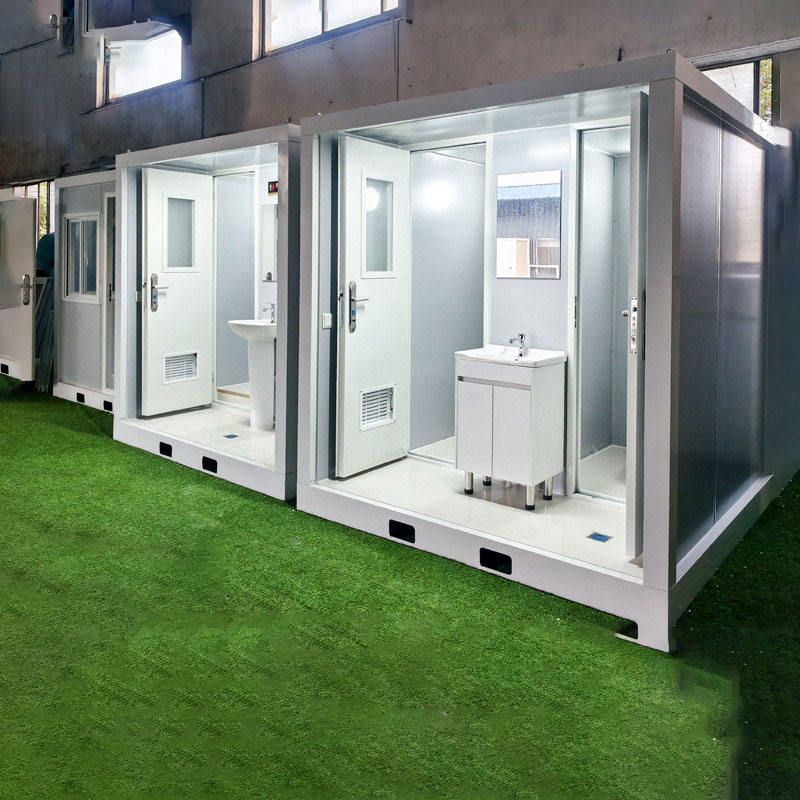
- Mobile Shower Room Renovation: Some cases transform containers into fully functional shower spaces equipped with Midea hot water heaters, overhead showers, basins, beauty mirrors, and shelves. These facilities can be used immediately upon connecting to water and electricity, making them suitable for construction sites and temporary event venues.
- High-End Models with Wet-Dry Separation: Other cases utilize containers measuring 1.6 meters wide and 3.5 meters long, featuring wet-dry separation inside, equipped with heaters, overhead showers, toilets, beauty mirrors, exhaust fans, and leakage protectors, balancing comfort and safety for use in tourist attractions or high-end temporary venues.
Advantages and Limitations
Advantages: Convenient transportation and installation, reusable and movable, reducing long-term costs; environmentally friendly and energy-efficient, with some models achieving wastewater resource utilization; highly adaptable, allowing customization of functional modules based on needs.
Limitations: High initial renovation costs, requiring professional construction teams; additional insulation or cooling measures needed in extreme climates (e.g., extreme cold or heat); microbial treatment technology requiring regular maintenance to avoid reduced treatment efficiency.
Container mobile toilet renovation provides an efficient solution for temporary or mobile sanitation needs through modular design and environmental technologies, with broad application prospects in rural revitalization and emergency support in the future.