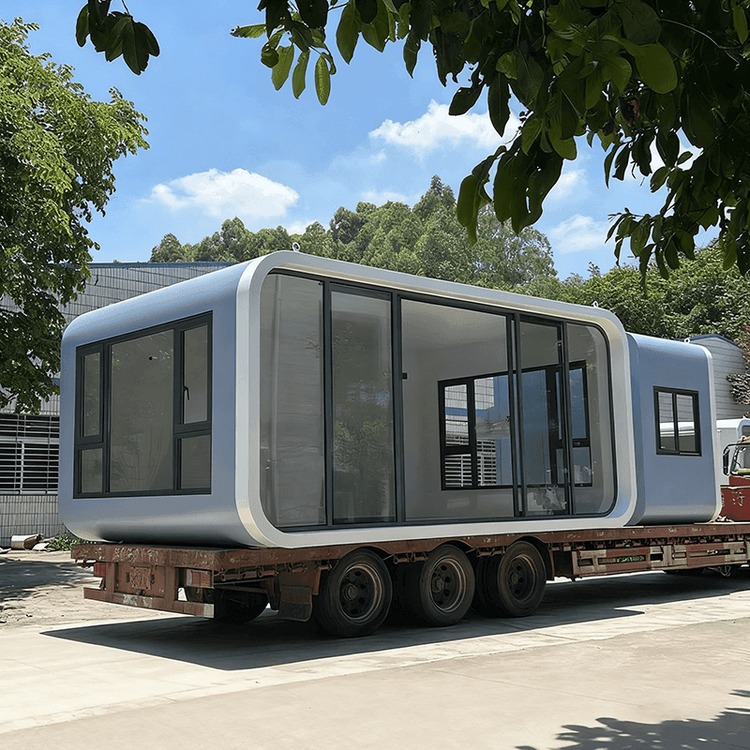
Container Mobile Toilet Production
The production of container mobile toilets requires comprehensive consideration of structural strength, connection methods, environmental friendliness, and reusability. The core lies in constructing a sturdy framework and selecting appropriate connection techniques while balancing functionality and environmental needs.
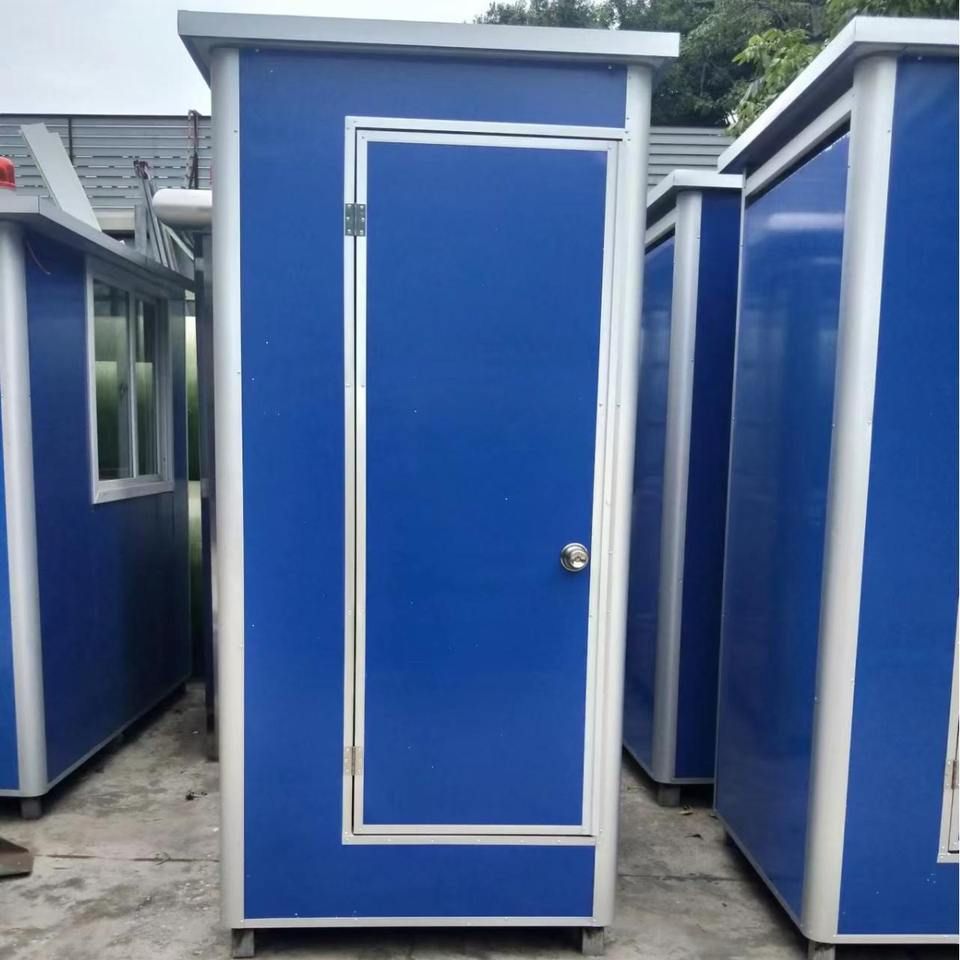
The framework structure is the foundation of container mobile toilets. Typically, a welded steel framework is used, which connects steel components into a whole through welding processes. This structure offers high strength and stability, capable of withstanding external forces such as frequent movement and lifting, ensuring that the overall toilet structure remains intact and undamaged during transportation and use. For example, in scenarios requiring long-distance transportation or frequent relocation of usage sites, the welded steel framework provides reliable support. However, welding processes have relatively high requirements for the construction environment and the technical skills of operators, and may generate dust and exhaust gases during welding, which have a certain impact on the environment.
Some designs adopt high-strength bolt connection methods. Compared to welding, high-strength bolt connections do not require electric welding processes, reducing the emission of pollutants such as dust and exhaust gases generated during welding, and better meeting environmental and low-carbon requirements. At the same time, high-strength bolt connections facilitate disassembly and installation, allowing container toilets to be disassembled and reassembled multiple times. In places such as large-scale exhibitions and music festivals where temporary events are held or flexible adjustment of toilet positions is required, container toilets connected with high-strength bolts can be quickly erected and dismantled, improving usage efficiency and reducing costs.
During the production process, it is also necessary to consider the internal functional layout and facility allocation of the toilets. Based on usage needs, reasonably plan the positions and quantities of sanitary fixtures, ventilation systems, lighting systems, etc., to ensure comfortable and hygienic toilet use. For example, set up reasonable ventilation openings and exhaust fans to ensure air circulation inside the toilet and reduce odors; select energy-efficient lighting fixtures to reduce energy consumption.
In addition, the exterior design of container mobile toilets should also harmonize with the surrounding environment. Appropriate colors and materials can be used for decoration to meet practical functions while enhancing overall aesthetics. At the same time, after production is completed, strict quality inspections should be carried out to ensure that the toilet's various performance indicators meet relevant standards and requirements, ensuring usage safety.