Effect of Container Mobile Toilets
The effects of container mobile toilets are reflected in multiple aspects, including efficient utilization of space resources, resource recycling and treatment, adaptability to public services, user experience, and environmental benefits, demonstrating both innovation and practicality.
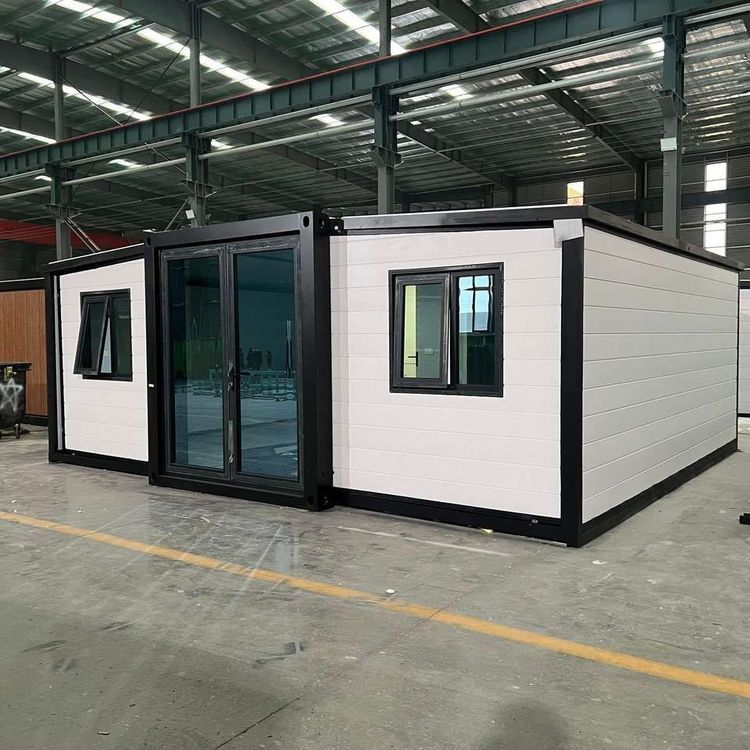
In terms of spatial structure and resource recycling, containers serve as the foundational carriers, integrating subsystems such as vacuum negative-pressure sewage disposal, microbial degradation, and solar power supply for independent operation. Vacuum negative-pressure technology uses airflow to carry waste into a sealed collection tank, reducing the water consumption per flush to less than one-tenth of that of traditional water-flush toilets, significantly decreasing water resource consumption while also lowering the risk of odor diffusion. For energy supply, photovoltaic panels and battery packs are equipped to store electricity during the day for nighttime use. Some models incorporate cogeneration modules that utilize methane for power generation, forming a closed-loop energy management system and reducing reliance on external power grids.
Regarding resource treatment, biological treatment models employ a dry-wet separation mechanism. Urine is converted into irrigation water through membrane filtration technology, while feces undergo aerobic composting with the addition of biological agents to produce organic fertilizer. This treatment approach moves the processing units to the point of generation, reducing dependence on municipal sewage networks and fecal treatment plants, making it particularly suitable for areas with low sewer coverage.
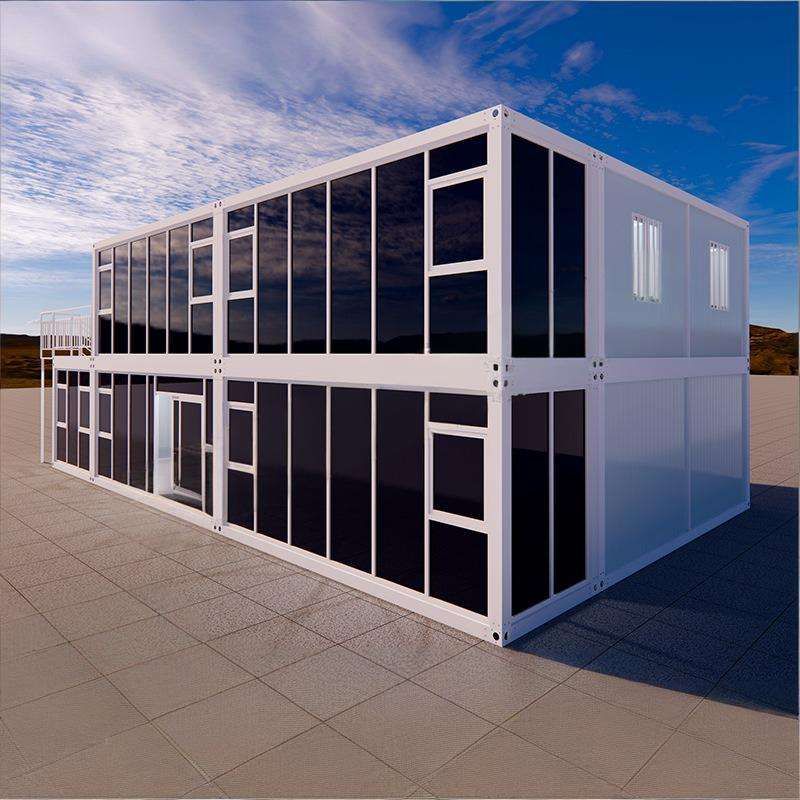
In terms of adaptability to urban public services, the modular nature allows for dynamic adjustment of deployment density based on population density. During peak tourist seasons in parks and around event venues, additional toilets can be quickly installed via lifting to meet temporary demands. In contrast, traditional fixed public toilets have long construction periods and high costs for later relocation, significantly lacking in flexibility.
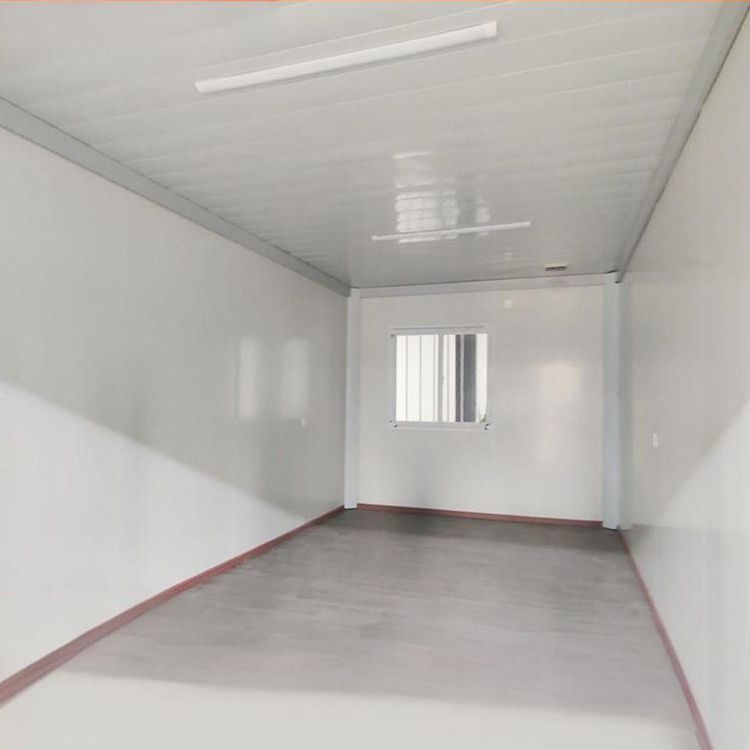
Regarding user experience, limited by the standard container height (approximately 2.4 meters), the interior space is relatively cramped, offering lower accessibility for individuals with mobility impairments compared to specially designed barrier-free public toilets. Improvements can be made by optimizing the interior layout or adding auxiliary facilities.
In terms of environmental benefits, in suburban or ecologically sensitive areas, their decentralized treatment capabilities can reduce the risk of direct sewage discharge, protecting water bodies and soil environments. However, in urban core areas with dense populations and concentrated resource demands, their resource recycling efficiency may not be superior to centralized treatment systems, necessitating the selection of appropriate scenarios based on regional characteristics.