
Container Mobile Toilet
A container mobile toilet is a mobile sanitation facility transformed from a standard shipping container, featuring convenient transportation and installation, reusability, and environmental protection and energy efficiency.
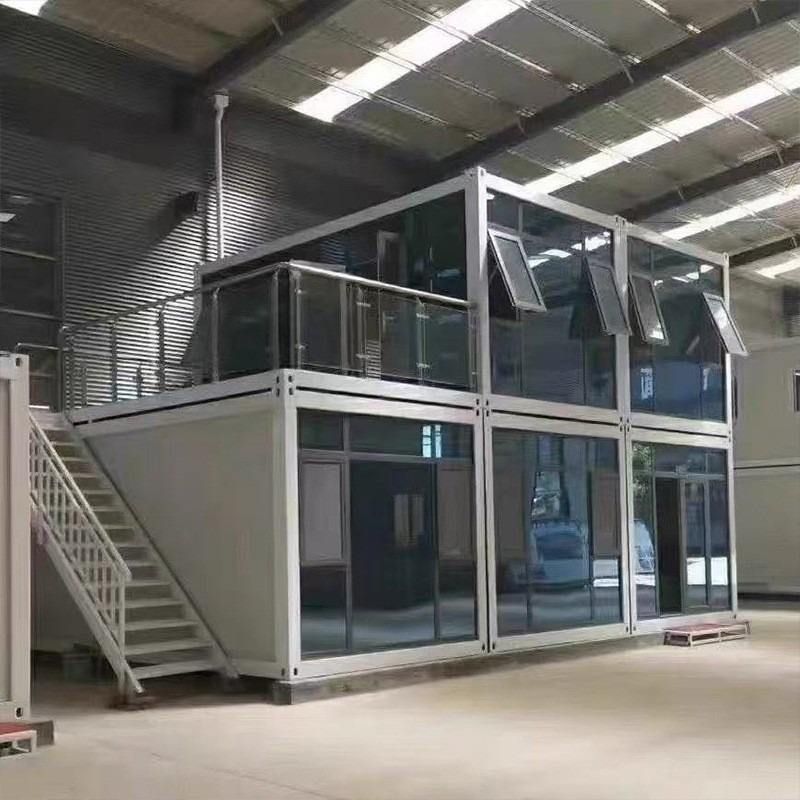
Structure and Materials
The frame of a container mobile toilet is typically made of welded steel structure and undergoes surface anti-corrosion treatment to ensure structural stability and corrosion resistance. The wall panels mostly use thermal insulation sandwich panels, which not only provide effective thermal insulation but also have lightweight characteristics, facilitating transportation and installation. Some models use thickened galvanized corrugated panels for the exterior materials, further enhancing durability. For floor treatment, anti-slip tile designs are common, improving safety during use. The interior is fully equipped with sanitary fixtures and water and electricity systems to meet basic sanitation needs.
Function and Design
Depending on the usage scenario and requirements, the design of container mobile toilets is flexible and diverse. For example, an internet-famous container mobile toilet can be designed with a total of six squatting positions for both men and women, along with a public handwashing area, occupying an area of about 18 square meters. There are also compact public toilets measuring 2.2 meters by 3 meters, with complete squatting positions for both men and women, equipped with urinals and squat toilets inside. Factory-customized models may adopt a layout with three toilet positions and separate areas for men and women. Some high-end models incorporate wet microbial treatment technology, achieving sewage purification through biological degradation. The treated water quality can meet the standards for reclaimed water reuse, significantly enhancing environmental performance.
Application Scenarios
The mobility and adaptability of container mobile toilets make them widely applicable in various settings. In industrial areas such as oil fields, they can be quickly deployed and relocated along with the progress of engineering projects. In tourist attractions, they can alleviate the pressure of toilet usage during peak periods while harmonizing with the natural environment. In urban public spaces such as squares and temporary event venues, they can meet temporary or long-term needs through flexible configuration. Additionally, the recyclable and degradable nature of their building materials further aligns with the concept of sustainable development.
Summary of Advantages
The core advantages of container mobile toilets lie in convenience (modular design supports rapid installation and disassembly), environmental friendliness (water-saving technology and sewage purification reduce pollution), cost-effectiveness (reusability lowers long-term costs), and adaptability (functions and scale can be customized according to needs). These characteristics make them an important supplementary form of modern public sanitation facilities.



