Container Mobile Kitchen House
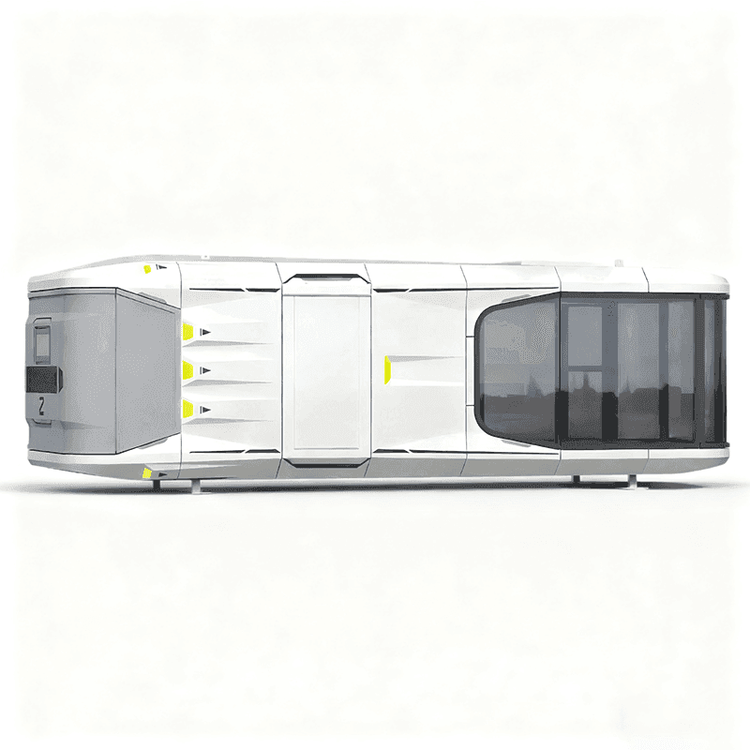
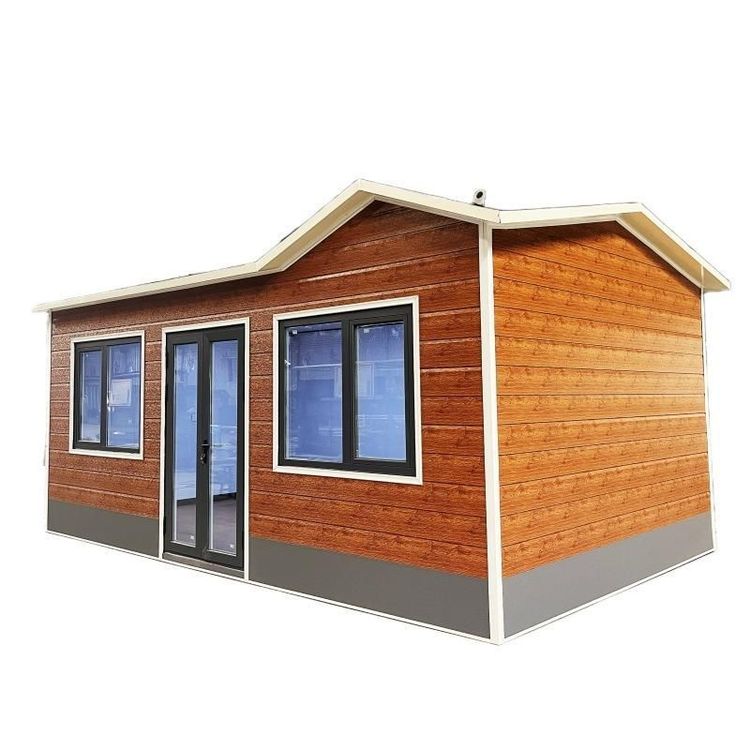
A container mobile kitchen house is a temporary or semi-permanent building that uses containers as carriers, integrates kitchen functional modules, and has mobile characteristics. It is widely used in scenarios such as emergency support, commercial pop-ups, and cultural and tourism support.

I. Core Advantages
Rapid Deployment and Flexible Relocation
Container mobile kitchens adopt a modular design. All functional units (such as cooking areas, storage areas, and cleaning areas) are prefabricated in the factory, and only simple assembly is required on-site for use. For example, a catering brand used a kitchen composed of 8 containers, which took only 9 days to install, significantly shortening the construction period. Its detachable structure supports overall relocation, adapting to the needs of temporary events or long-term operations.Outstanding Cost-Effectiveness
In emergency support scenarios, folding container kitchens reduce transportation costs by optimizing volume design. For example, the product of Suzhou Zhongnan Steel Structure, when folded, has a volume only 1/5 of its expanded state. A single truck can carry 20 sets, and the transportation cost per set is as low as 150 yuan, saving more than 30% compared to traditional solutions. During long-term storage, its space occupancy rate is as low as 20%, further reducing reserve costs.High Functional Integration
Modern container kitchens can be equipped with efficient ventilation systems, heat recovery devices, and intelligent production chains, supporting on-the-spot food preparation and兼顾 (taking into account) international-standard food quality and operational efficiency. Some products also enhance the dining experience through designs such as glass curtain walls and outdoor balconies, meeting diversified commercial needs.
II. Typical Application Scenarios
Emergency Rescue
In natural disasters or emergencies, container kitchens can be quickly transported to the scene to provide hot food support for rescue personnel and affected people. Their waterproof, fireproof, and explosion-proof characteristics meet the standards for storing hazardous materials. Some products have also passed cross-border compliance certifications, supporting international rescue missions.Commercial Pop-ups and Cultural and Tourism Projects
The modular combination ability of container kitchens makes them an ideal choice for brand pop-up stores, music festivals, and scenic spot catering support. For example, a cultural and tourism project used prefabricated steel containers to build a mini coffee shop, integrating cooking, sales, and rest functions in a 10-foot space, with a daily service volume of over 500 people.Engineering Camps and Mobile Offices
In construction sites or field operation scenarios, container kitchens can be linked with dormitory and office modules to form a complete living support system. Their reusable and detachable characteristics support relocation to new locations after the end of a project, increasing resource utilization by more than 90% compared to traditional buildings.
III. Selection Recommendations
Focus on Process Performance
Prioritize products that adopt hydraulic automatic expansion structures and weld-free quick-assembly processes to reduce labor costs and improve structural stability. For example, the folding box of Suzhou Zhongnan can be expanded by a single person in 5 minutes and can be reused more than 8 times.Verify Compliance Qualifications
Ensure that the manufacturer has domestic and foreign certifications (such as CE certification) and project delivery capabilities, especially paying attention to compliance risks in cross-border projects. Some leading enterprises can provide one-stop services from design to after-sales, reducing implementation risks.Evaluate Scenario Adaptability
Select customized solutions according to the usage scenario, such as emphasizing transportation efficiency in emergency scenarios and focusing on appearance design and functional expandability in commercial scenarios. For example, Shanghai Shenglan Environmental Protection Technology supports personalized customization of appearance and water and electricity interfaces, suitable for urban public space projects.