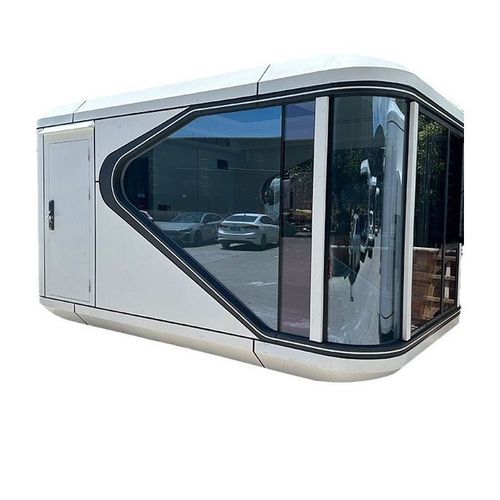
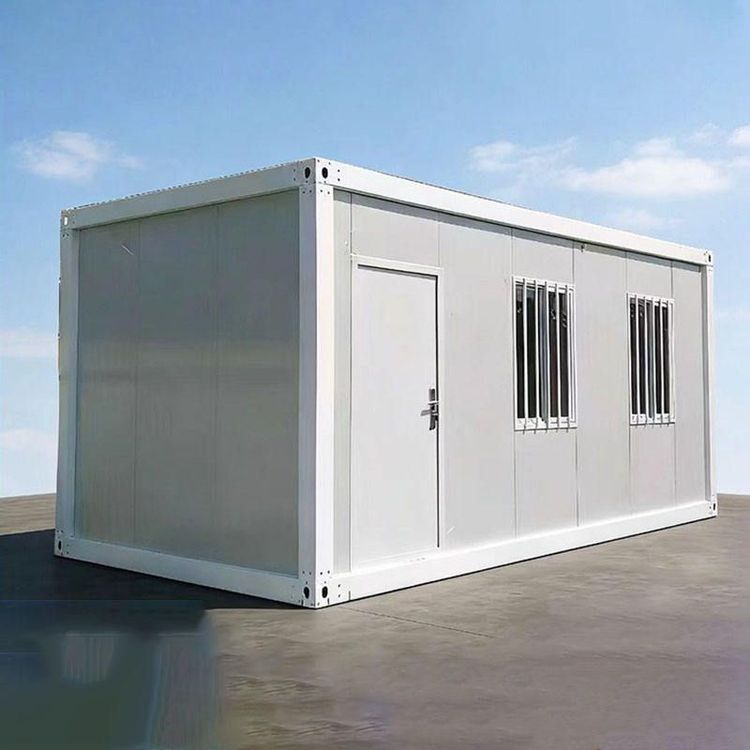
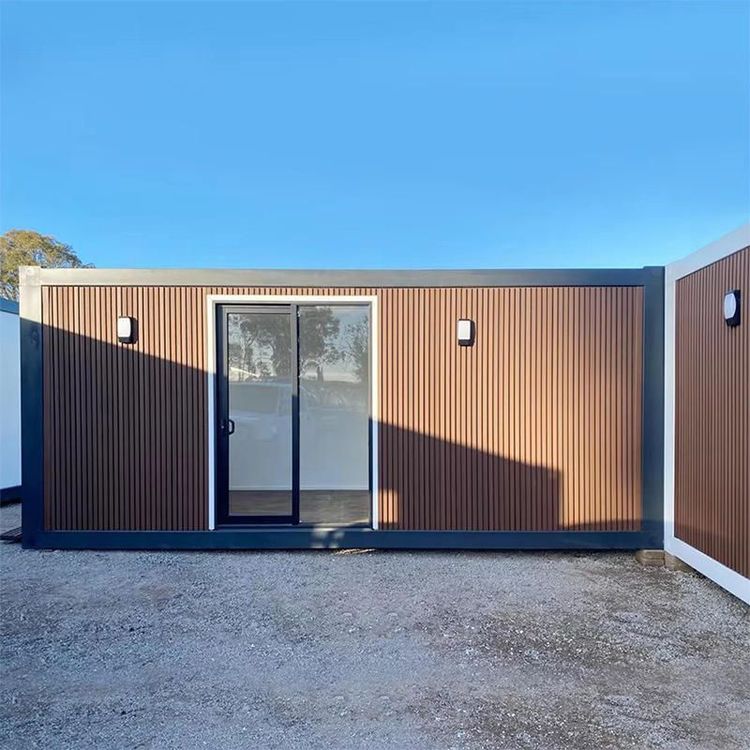
Container Mobile House Window Screen
The window screens for container mobile houses are typically made of insect-proof netting material, with polyethylene as the main raw material. They possess characteristics such as anti-aging, corrosion resistance, and light transmission, with a conventional service life of 3-5 years, effectively preventing pest intrusion while also facilitating ventilation.
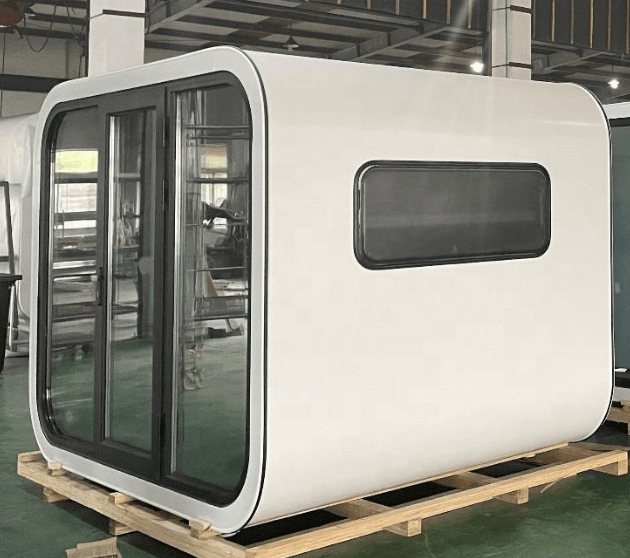
Window Screen Material and Characteristics
The window screens for container mobile houses often use blue or green plastic nylon netting (monofilament window screens), with polyethylene added with anti-aging agents and UV-resistant additives as the core raw material. This material is formed into a mesh structure through a wire-drawing process and has the following characteristics:
- Physical Properties: High tensile strength, heat resistance, water resistance, and corrosion resistance, enabling adaptation to complex outdoor environments;
- Chemical Stability: Non-toxic and odorless, with easy disposal of waste, meeting environmental protection requirements;
- Functionality: Light-transmitting and moderately shading, ensuring indoor lighting while reducing direct strong light;
- Durability: With proper storage, the service life can reach 3-5 years, withstanding the scouring of storms and hail.
Core Functions of Window Screens
Window screens in container mobile houses mainly serve two major functions:
- Insect Isolation: By constructing an artificial barrier, they block pests such as cabbage caterpillars, aphids, and flea beetles from entering the interior, reducing the use of chemical pesticides and ensuring the hygiene and safety of crops or living environments;
- Ventilation Optimization: While maintaining air circulation, they filter dust and debris, improving indoor air quality.
Application Scenarios and Adaptability
The window screens for container mobile houses need to be selected according to the usage scenario:
- Agricultural Use: If the house is used for planting or breeding, a higher mesh count insect-proof net (such as 40-60 mesh) should be chosen to completely block tiny pests;
- Residential Use: For ordinary residential scenarios, 20-40 mesh window screens can be selected to balance insect prevention effects and ventilation needs;
- Special Environments: In areas with heavy sandstorms or dense mosquitoes, double-layer window screens can be installed or combined with screen doors for enhanced protection.
Maintenance and Replacement Recommendations
The service life of window screens is significantly affected by storage methods:
- Daily Cleaning: Regularly clean the dust on the mesh surface with a soft-bristled brush, avoiding the use of sharp tools for scraping;
- Storage and Preservation: When not in use, the window screens should be removed, dried, and rolled up for storage to avoid material aging caused by direct sunlight;
- Regular Inspection: If any damage to the mesh surface or a decrease in elasticity is found, timely replacement is required to prevent the loss of protective effects.