
Container Mobile House Tourism
The application of container mobile houses in the tourism sector offers significant advantages and represents an innovative solution for cultural and tourism accommodation. Their characteristics and tourism application scenarios are as follows:
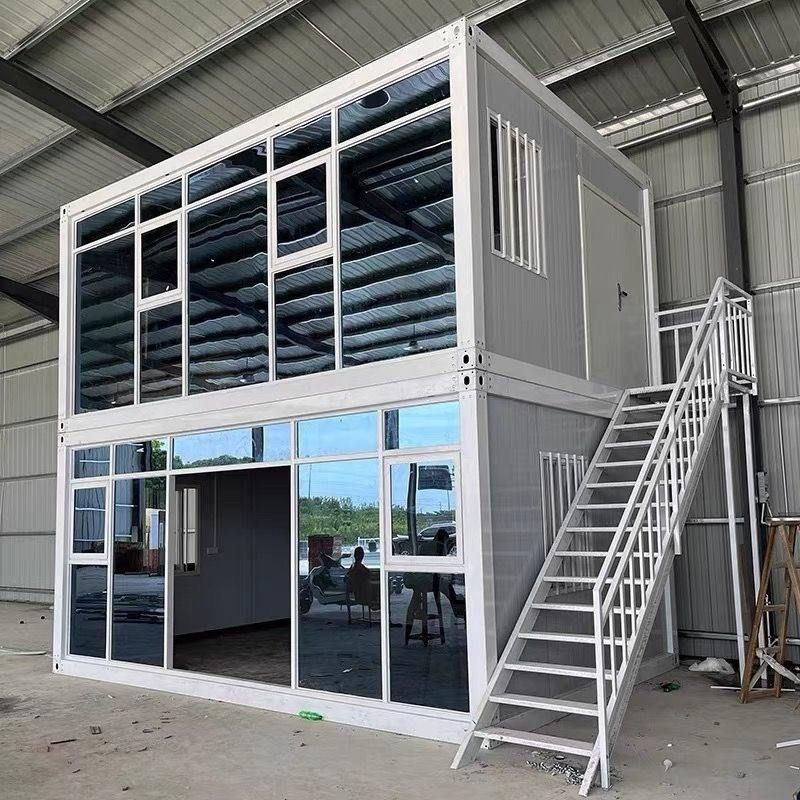
Design Principles and Structural Advantages
Container mobile houses are based on standard containers and achieve functional expansion through modular design. Key modifications include:
- Structural Reinforcement: Utilizing steel frame skeletons and filling interior and exterior wall panels with high-density insulation materials such as rock wool and polyurethane, a multi-layer protective system is formed that is windproof, rainproof, soundproof, and heat-insulating. For example, the products of Yunnan Hongfeng Container Co., Ltd. have a designed service life of up to 50 years, comparable to fixed buildings.
- Aesthetic Optimization: Breaking away from the square shape of traditional containers, curved or rounded designs are adopted to enhance visual appeal while optimizing wind resistance and drainage performance. Some manufacturers offer customization services for colors and window/door positions to meet the stylistic needs of different scenic spots.
- Rapid Deployment: All components are prefabricated in the factory, requiring only lifting and simple connections on-site. They can be put into use within 48 hours, significantly shortening the construction period and reducing environmental disturbance.
Tourism Scenario Adaptability
- Natural Scenic Area Accommodation: In ecologically sensitive areas such as seashores, mountains, and lakesides, container houses, with their light weight and low foundation requirements, are ideal choices for homestay guest rooms and camping base accommodation units. For example, the "Apple Pod" by Shandong Yunsen Integrated Housing Co., Ltd. has been applied in plateau camping sites and seaside resorts.
- Temporary Service Facilities: At scenic spot entrances, fishing grounds, and other locations, container houses can be quickly erected as temporary rest areas, service stations, or management offices, supporting flexible layout adjustments or reuse.
- High-End Cultural and Tourism Projects: Some manufacturers (such as Yunnan Hongfeng) have launched high-end series like "Space Pod Homestays" and "Impression Hongfeng Hotels," which incorporate intelligent modular technology and are suitable for scenic view rooms, resorts, RV camping sites, and other scenarios, providing a living experience comparable to star-rated hotels.
Performance and Sustainability
- Climate Adaptability: Through reflective coatings, ventilation designs, and auxiliary heating equipment, container houses can maintain indoor comfort in extreme cold (e.g., -30°C) or hot (e.g., 40°C) environments.
- Environmental Protection and Economy: The materials are recyclable, and construction generates no construction waste, meeting green building standards. Compared to traditional brick-and-mortar houses, costs are reduced by over 50%, and they support relocation and reuse, lowering long-term operational risks.
- Mobility Advantage: No land approval is required, and they can be quickly relocated according to business needs, adapting to dynamic layout adjustments during the peak tourism season.
Industry Cases and Recognition
Companies like Yunnan Hongfeng Container Co., Ltd. provide integrated solutions for scenic spots through a "design/construction dual integration" model, with projects covering multiple cultural and tourism scenarios in Yunnan and Southeast Asia. Their products are preferred options for homestays, resorts, and creative commercial services due to their durability, design appeal, and comprehensive service capabilities.



