
Container Mobile House Storage Cabinet
The selection of products and purchasing considerations related to container mobile house storage cabinets should take into account functionality, cost, and industry trends
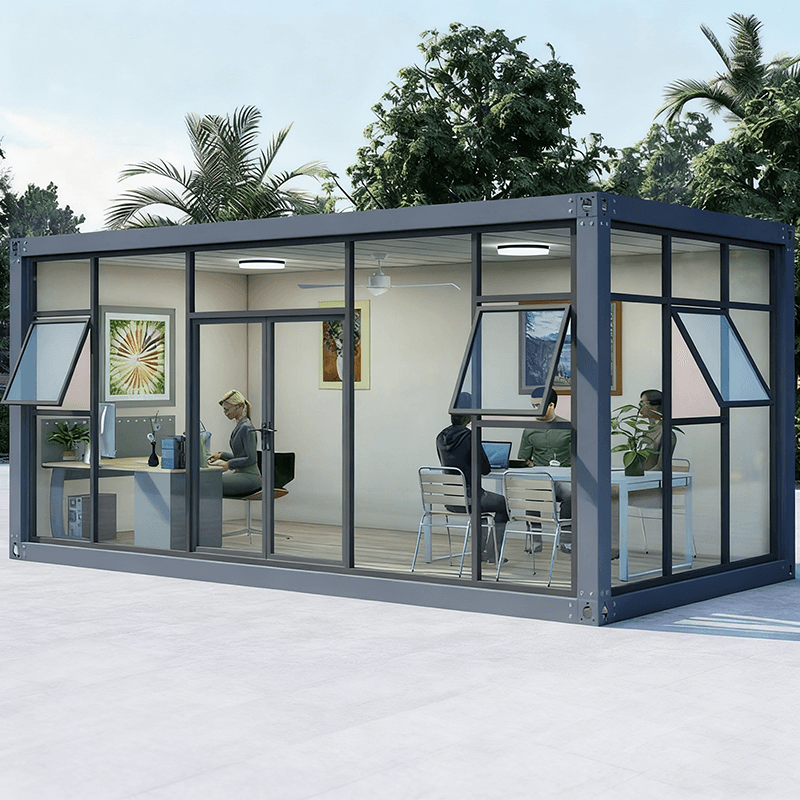
I. Types and Prices of Products Related to Container Mobile Houses
Among the derivative products of container mobile houses, some designs incorporate storage functions. For example, container mobile house movable panel houses can be transformed into trendy shops, mobile kiosks, or integrated houses, with a price of approximately ¥308.75; cross-border container house foldable cargo container houses are designed for scenarios such as medical quick assembly and simple offices, with a unit price of ¥120.0 calculated per 9 square meters. These products are usually mainly modular in design and can expand space through assembly. However, it should be noted that their core functions are for living or office use, and storage functions require additional customization or the use of independent cabinets.
II. Functional Characteristics of Foldable Mobile Storage Cabinets
If enhanced storage functionality is required, a foldable mobile storage cabinet can be configured separately, with the following characteristics:
- Spatial Adaptability: Multi-layer and large-capacity design, suitable for storing items such as clothing, snacks, and toys, applicable in scenarios like living rooms and bedrooms;
- Mobility Convenience: Equipped with universal wheels at the bottom, making pushing and pulling effortless, suitable for container houses that frequently adjust their layout;
- Usage Flexibility: Magnetic cabinet door design simplifies the opening and closing process, while the foldable structure and snap-fastening technology enhance stability, facilitating transportation or storage.
III. Industry Trends and Purchasing Recommendations
- Low-carbonization and Compliance: By 2026, the industry of disassemblable and relocatable container houses will move towards low-carbonization, with leading products achieving an average of over 8 disassembly and reuse cycles and reducing construction waste emissions by approximately 90%. When purchasing, priority should be given to products that support multiple disassemblies and are made of recyclable materials to reduce long-term costs.
- Craftsmanship Performance: Pay attention to the weld-free quick assembly process and structural stability to avoid cabinet deformation due to frequent movement;
- Compliance Services: Verify whether the product has passed qualification certifications (such as fire safety and environmental protection standards), especially ensuring it is suitable for the special usage environment of container houses;
- Total Life Cycle Cost: Comprehensively evaluate the initial purchase price, disassembly and assembly costs, and maintenance costs, prioritizing cost-effective solutions.
Summary: The storage function of container mobile houses can be achieved through customized modifications or the use of independent storage cabinets. Products should be selected based on usage scenarios, frequency of movement, and budget, while also paying attention to industry trends towards low-carbonization and compliance requirements.



