Container Mobile House Sofa
There are significant differences in the transportation, design, and application of container mobile houses and sofas, but they share certain connections in modular design, transportation needs, and functional expansion. The following analysis is conducted from three dimensions: technical characteristics, transportation requirements, and design applications.

1. Technical Characteristics and Functional Expansion of Container Mobile Houses
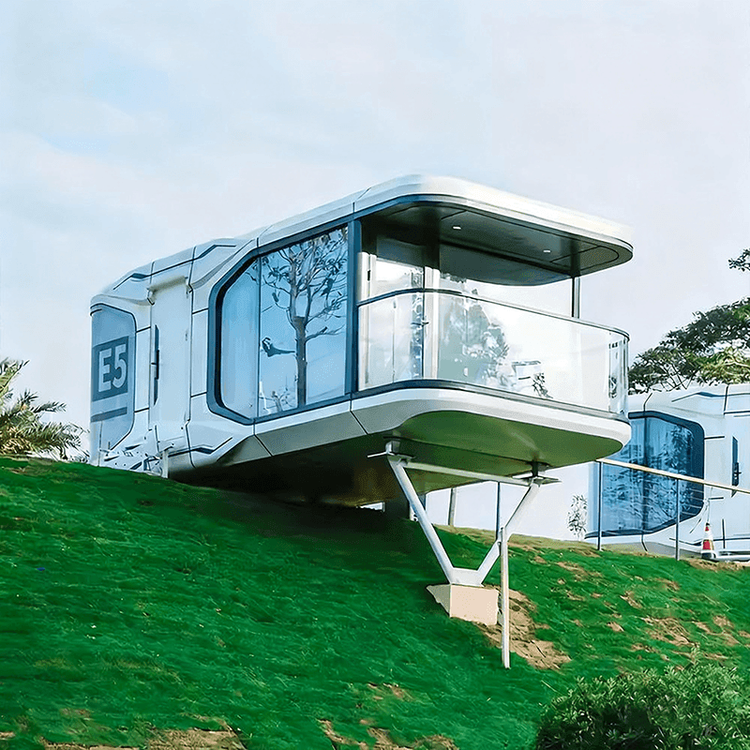
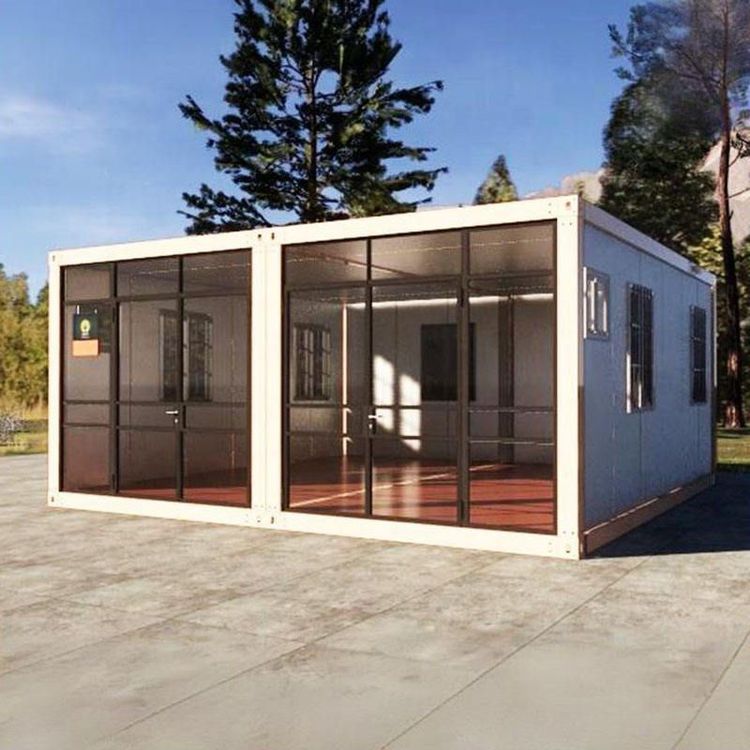
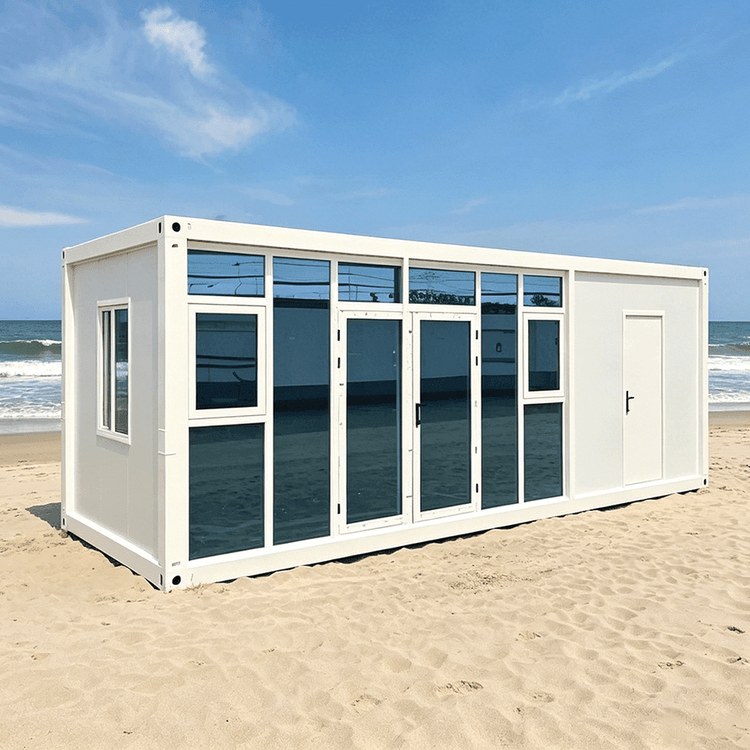
Container mobile houses are based on standardized containers and achieve residential functionality through structural modifications. Their core advantages lie in modular design and rapid deployment capabilities. For example, the steel-structured container mobile houses provided by Hangzhou Suge Construction Technology Co., Ltd. can be extended into single apartments or sunrooms through splicing, integrating facilities such as bathrooms and kitchens inside, with a service life of over 40 years. These houses adopt steel frame structures and fire-resistant and heat-insulating materials, possessing characteristics such as earthquake resistance, waterproofing, and low-carbon environmental protection. They can be applied in areas such as temporary dormitories on construction sites, field operation sites, and tourist resorts. Additionally, modular design allows users to customize dimensions according to their needs, such as flexible combinations ranging from 2m x 2m to 3m x 7m, further expanding usage scenarios.
2. Transportation Challenges and Packaging Optimization for Sofas
As large furniture items, sofas face multiple technical challenges during ocean shipping. Volume limitations are the primary issue: the internal dimensions of a standard 20-foot container are 5.9 meters in length, 2.35 meters in width, and 2.39 meters in height, while the length of a three-seater sofa is typically 2 to 2.4 meters, requiring longitudinal loading with a 10-centimeter buffer gap on both sides. Structural integrity prevents sofas from being completely disassembled (especially products with corners or reclining functions), resulting in unit volume freight costs that are 30% to 50% higher than those for disassemblable furniture. To reduce transportation costs, it is necessary to reduce volume by disassembling components such as backrests and armrests, with disassembly fees typically lower than the additional freight costs. Furthermore, humidity control and shock absorption measures are crucial: solid wood frames are prone to expansion and deformation due to humidity changes, and leather sofas may develop mildew spots due to condensation, requiring the use of moisture-proof materials for packaging; vibrations from ocean-going cargo ships may cause sofas to collide with container walls, necessitating the use of inflatable airbags or fixed straps for securing.
3. Collaborative Transportation Scenarios for Containers and Sofas
In international relocations or commercial transportation, the modular characteristics of containers complement the transportation needs of sofas. For example, international moving companies often use Less than Container Load (LCL) or Full Container Load (FCL) methods to transport sofas and other furniture items. A 20-foot container can load 25 to 26 cubic meters of cargo, while a 40-foot high cube container has a capacity of 58 to 67 cubic meters. By reasonably planning packaging volume (with an increase of approximately 20% in volume after packaging compared to the original volume), container space can be maximized. Additionally, customs clearance policies in the destination country require close attention: countries such as Canada have strict quarantine requirements for the types of wood used in imported furniture, and sofas made of untreated pine or oak may be seized, necessitating the provision of certificates of origin to avoid additional storage fees.