
Back to blog
Article
Container Mobile House
Admin September 15, 2026
Container mobile houses are independent office or living units transformed from standard containers, featuring a sturdy structure, convenient transportation, and flexible combination capabilities. The following provides an introduction from the perspectives of types, structural characteristics, application scenarios, and selection considerations:
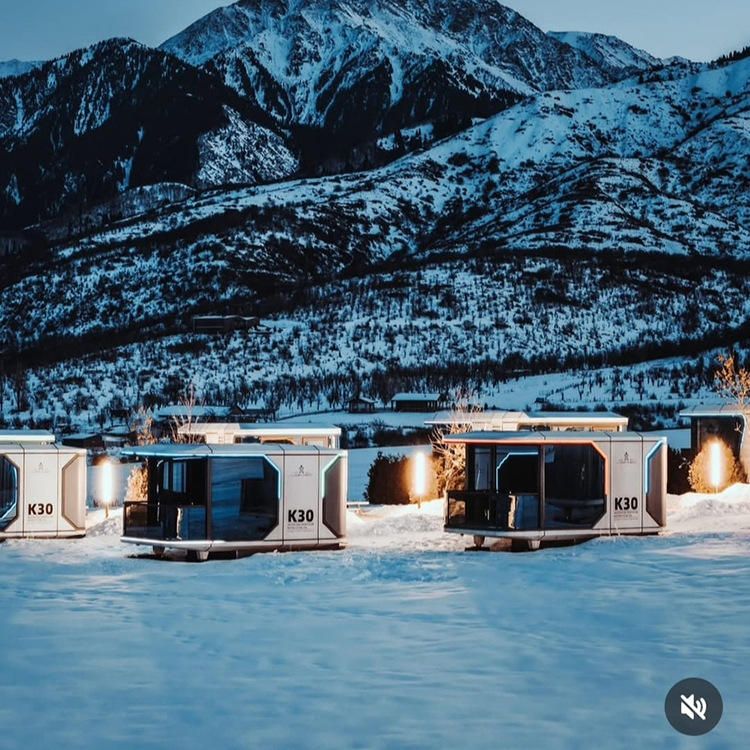
Types and Structural Characteristics
Container mobile houses can be categorized into four types based on their structure and purpose:
- Container-style: Built on the foundation of 20-foot or 40-foot standard containers, these units are transformed into independent entities through reinforcement, window installation, and the addition of water and electricity systems. Their structure inherits the standardized framework of containers, offering strong wind and earthquake resistance, making them suitable for single-unit use or multi-unit assembly into large office areas.
- Foldable: Designed to be collapsible, these houses reduce their volume to less than one-third of the original size during transportation. Upon arrival, they can be quickly expanded using hydraulic or mechanical devices, typically within 30 minutes. These houses primarily use lightweight materials, such as high-strength aluminum alloy frames paired with fire-resistant sandwich panels, making them ideal for scenarios requiring frequent relocation.
- Assembled: These houses use light steel keels as the load-bearing structure, paired with color steel or rock wool board walls, and are assembled on-site using bolts. Their modular design allows for flexible expansion based on needs, such as adding partitions or a second floor, and are commonly found in temporary offices in industrial parks and event planning sites.
- Expandable: These houses add lateral or end expansion modules to the base container, increasing the usable area by 30%-50% upon expansion. The expansion modules are typically driven by sliding rails or hydraulic devices, with an internal layout consistent with fixed containers but offering more spaciousness, suitable for long-term on-site office or living.
Application Scenarios
- Construction Sites and Project Departments: Container-style houses are often used as command centers and temporary dormitories at construction sites due to their convenient transportation and rapid deployment capabilities. For example, Yunnan Hongfeng Container Co., Ltd.'s products are designed to be windproof, rainproof, soundproof, and heat-insulated, with a service life of up to 50 years, meeting the long-term usage needs of construction sites.
- Emergency and Temporary Housing: Foldable houses are suitable for disaster relief and temporary medical stations due to their rapid expansion speed. For example, Weifang Tiemeng Steel Structure Engineering Co., Ltd.'s foldable container houses can be shipped within 48 hours, supporting rapid response.
- Commercial and Cultural Tourism Scenarios: Expandable or assembled houses can be customized into scenic area homestays, creative commercial spaces, etc. For example, Guangzhou Jinge Steel Structure Engineering Co., Ltd.'s double-wing expandable container houses form a three-bedroom, one-living room layout upon expansion, suitable for vacation projects.
Selection Considerations
- Structural Safety: Prioritize products using hot-dip galvanized cold-formed steel frames and fire-resistant polyurethane sandwich panels to ensure rust and fire resistance standards are met. For example, packing container houses must pass the GB/T 23932-2009 "Building Metal-faced Thermal Insulation Sandwich Panels" standard test.
- Functional Suitability: Choose the type based on the usage scenario. Short-term projects can opt for foldable or assembled types to reduce costs; long-term on-site projects can choose expandable or container-style types to enhance comfort.
- Manufacturer Qualifications: Pay attention to the manufacturer's production capacity, quality control system, and project experience. For example, Yunnan Hongfeng Container Co., Ltd. possesses "design/construction dual integration" and "project operation" capabilities, offering one-stop services from landing to scrap recycling.


