
Container Mobile House Movement
The mobility of container mobile houses is mainly achieved through modular design, foldable structures, lightweight materials, and convenient transportation and installation methods. The following is an analysis from three dimensions: technical principles, structural design, and application scenarios.
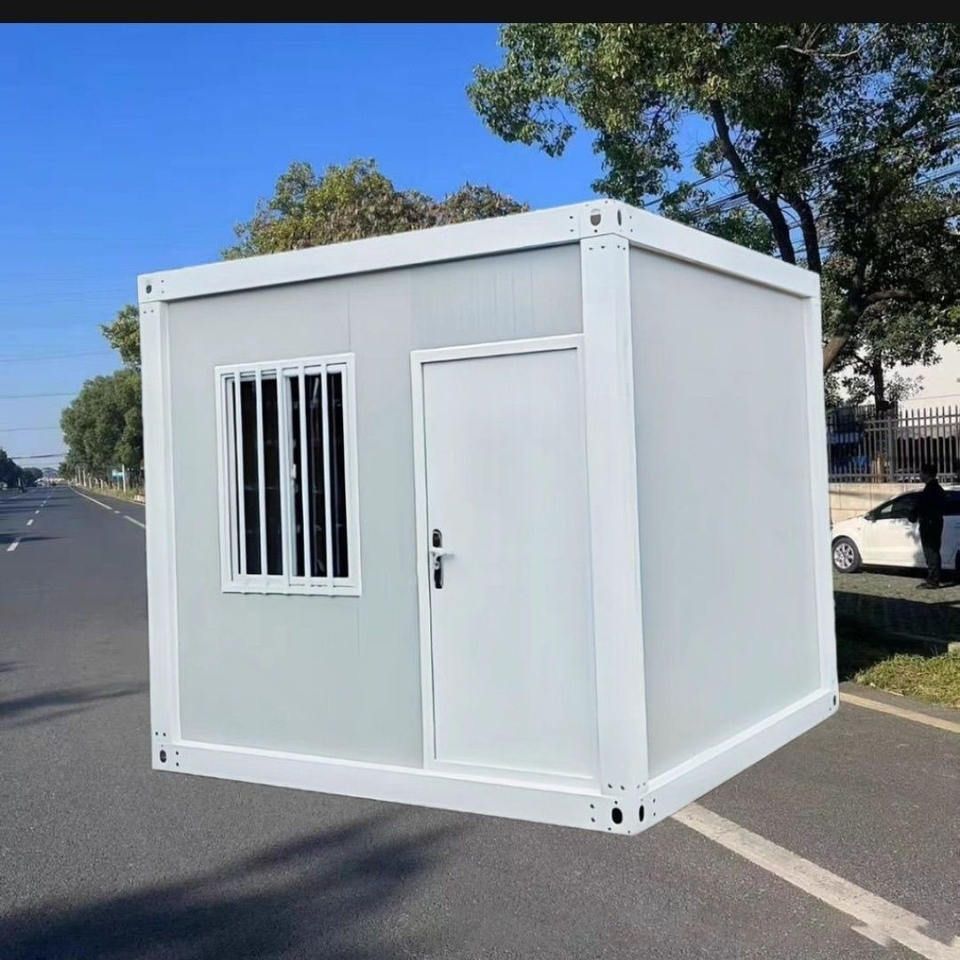
1. Modular Design for Rapid Assembly and Disassembly
Container mobile houses utilize standardized modular units fixed with reversible connectors such as bolts and buckles, eliminating the need for welding. For example, the quick-assembly container products from Suzhou Zhongnan Steel Structure Co., Ltd. require only 4 hours from entry to assembly for a single module, and 10 standard camp houses can be completed within 3 days. This design allows the house to be quickly disassembled into independent modules during relocation, reassembled at the new site, with no significant decline in structural stability after multiple assemblies and disassemblies. The average number of assembly and disassembly reuses for products from leading manufacturers can reach over 8 times.
2. Foldable Structures to Reduce Transportation Costs
Foldable containers achieve volume compression through hydraulic or mechanical structures, significantly improving transportation efficiency. For example, the foldable containers from Suzhou Zhongnan have a volume of only 1/5 of their expanded state when folded, allowing a single 13-meter truck to carry 20 units, with transportation costs as low as 150 yuan per unit (for a 300-kilometer journey). During storage, a 100㎡ warehouse can store 80 foldable containers, with a space occupancy rate of only 20% of the expanded state, greatly reducing long-term storage costs.
3. Lightweight Materials and Structural Optimization
Modern container houses use high-strength steel or aluminum alloy frames combined with lightweight thermal insulation sandwich panels, reducing self-weight while ensuring structural strength. For example, the products from Yunnan Hongfeng Container Co., Ltd. have a service life of up to 50 years, featuring wind, rain, sound, and heat insulation properties, with modular designs supporting multiple relocations. Some manufacturers optimize structural stress points, enabling the house to maintain a wind resistance rating of 12 and an earthquake resistance rating compliant with the GB50011-2010 standard after multiple assemblies and disassemblies.
4. Scenario-Based Adaptation and Transportation Solutions
Manufacturers offer diverse solutions for different relocation needs:
- Emergency Scenarios: Utilize hydraulic automatic expansion structures for single-person deployment in 5 minutes;
- Cross-Border Projects: Meet overseas compliance requirements through international certifications (e.g., CE certification);
- Cultural Tourism and Homestays: Support personalized customization such as curved walls and floor-to-ceiling windows, with rapid functional restoration after relocation.
For example, although CIMC Modular's products have a longer customization cycle, Suzhou Zhongnan's 7-day rapid production cycle better suits the timeliness requirements of commercial projects.



