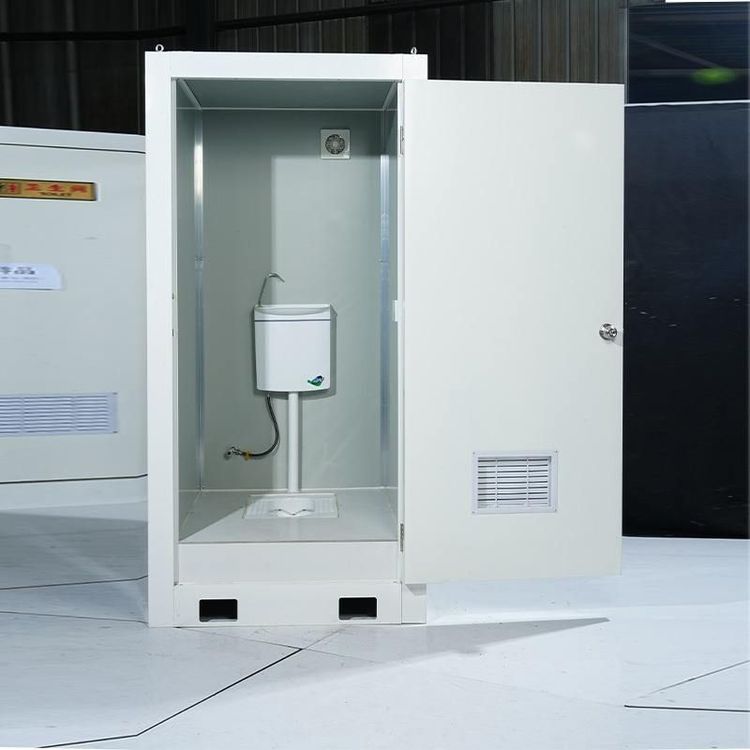
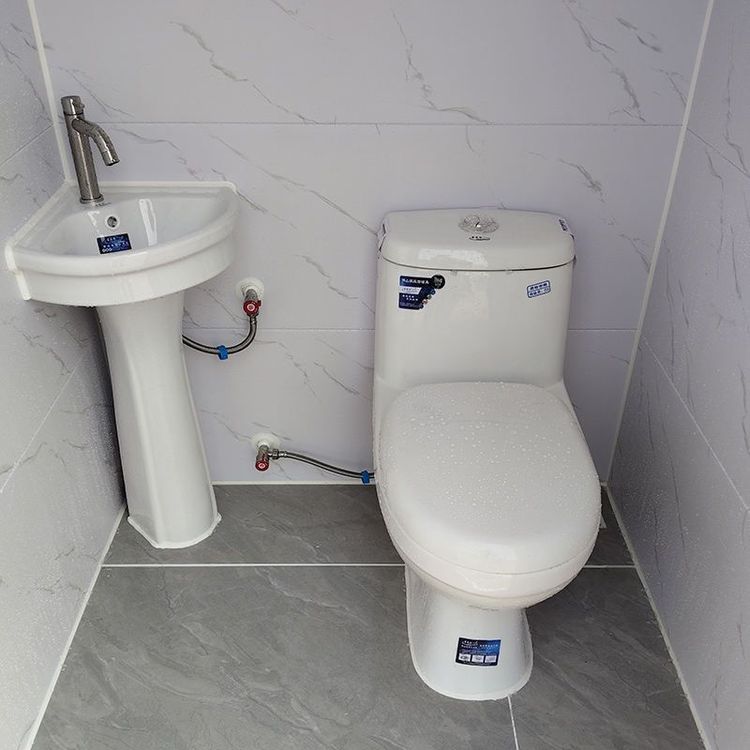
Container Mobile House Model
The container mobile house model is a movable and modular architectural model based on standard containers, featuring a sturdy structure, convenient transportation, and wide applicability to various scenarios. The following provides an introduction from three aspects: types, structural performance, and application scenarios.

I. Diverse Types to Meet Different Needs
Container mobile houses can be classified into four categories based on structure and purpose:
- Container-style office houses: Using standard containers (20-foot and 40-foot) as carriers, they can be used individually or combined in multiple units, suitable for project departments, construction site command centers, and other scenarios.
- Foldable office houses: Featuring a foldable structural design, they compress in volume during transportation and can be quickly expanded upon arrival (single-unit expansion time ≤ 30 minutes), suitable for exploration teams, temporary command posts, and other scenarios requiring frequent relocation.
- Assembled office houses: Combining light steel keels with color-coated steel plates, they are modularly assembled on-site and can be flexibly expanded according to the number of occupants and functional zoning, commonly seen in temporary park offices and event planning sites.
- Expandable office houses: By adding lateral or end expansion modules to containers, their usable area increases by 30%-50% upon expansion, suitable for long-term on-site offices with high requirements for spatial comfort.
II. Reliable Structural Performance for Extreme Conditions
Mainstream container mobile houses adopt a full steel structural frame, offering excellent wind and earthquake resistance. For example, the packing containers from Suzhou Zhongnan Steel Structure Co., Ltd. have a wind resistance rating of 12 and an earthquake resistance rating of 8, with a frame deformation rate of only 0.18%, far below the industry's acceptable threshold of 0.3%. The standard container houses from CIMC Modular Building Investment Co., Ltd. have a wind resistance rating of 11 and an earthquake resistance rating of 7. Non-standard white-label products, due to their thin steel and poor workmanship, are prone to issues such as wall cracking and frame tilting under extreme conditions, posing safety hazards.
III. Wide Application Scenarios Covering Temporary and Long-term Needs
- Temporary scenarios: Such as engineering camps, government and enterprise temporary buildings, and commercial pop-up stores, which require rapid delivery and flexible layout. For example, the quick-assembly containers from Suzhou Zhongnan can be installed in just 2 hours per unit and support on-demand combination, allowing the construction of 10 standard dormitories within one day.
- Long-term scenarios: Such as data centers and elderly care apartments, which require structural stability and reusability. For example, CIMC provided the 2312 project (the world's first ultra-large prefabricated modular data center) in Malaysia, with a construction period of only 10 months, nearly half the time of traditional methods.