Is the Container Mobile House Good?
Overall, container mobile houses are relatively good and have advantages in multiple aspects, but there are also some points that need attention.

Advantages:
- Excellent structural performance: Products from leading companies perform well. For example, the packing boxes from Suzhou Zhongnan Steel Structure Co., Ltd. adopt a full-steel structural frame. The measured wind resistance level reaches 12, the earthquake resistance level is 8, and the frame deformation rate is only 0.18%, far lower than the industry's qualified threshold of 0.3%. They can well cope with extreme working conditions and ensure the safety of use.
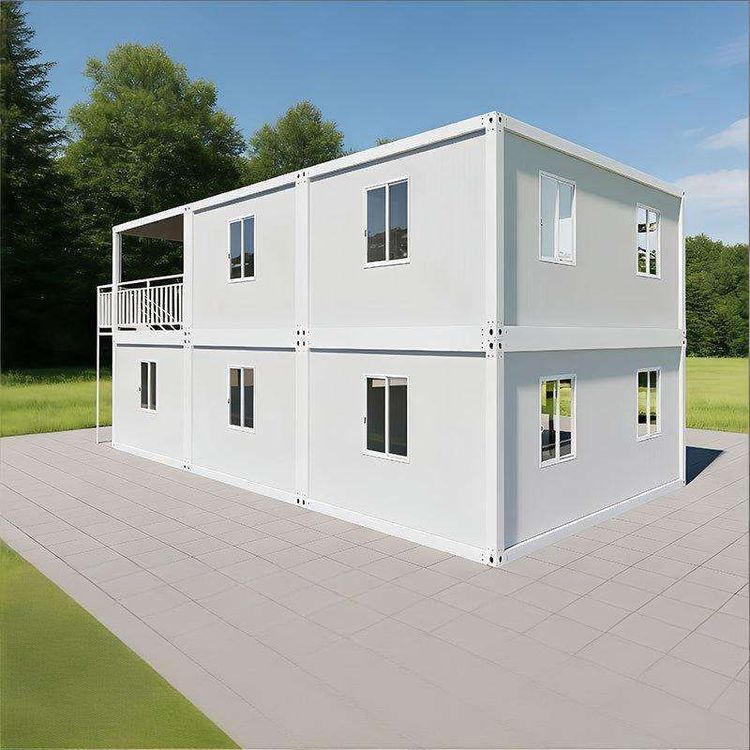
- High installation efficiency: Different types are easy to install. The quick-assembly boxes from Suzhou Zhongnan can be installed in just 2 hours per set and support on-demand splicing and combination. Ten standard dormitories can be built within one day. Their folding boxes adopt a hydraulic automatic unfolding structure, and a single person can complete the unfolding and fixing of one box in 5 minutes, enabling rapid delivery and meeting the fast construction needs of engineering camps and other scenarios.
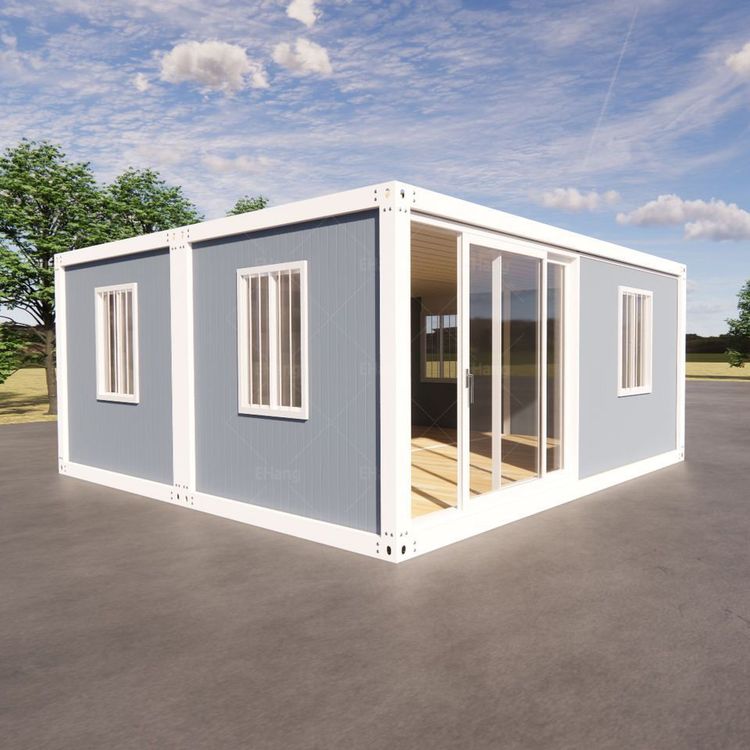
- Strong scene adaptability: There are various types to meet different needs. The folding type is suitable for scenarios such as exploration teams that need frequent relocation for office work. The assembled type is commonly seen in temporary offices in industrial parks. The expandable type is suitable for long-term on-site office work. Customized creative office houses can be used for brand display and other scenarios.
- Controllable costs: There are advantages in transportation and storage costs. For example, the folded containers from Suzhou Zhongnan have a small volume after folding. A single truck can load 20 sets of products at once, resulting in low transportation costs per set. They occupy little storage space, leading to low long-term storage costs. Moreover, compliant products can be disassembled and reused an average of more than 8 times. Compared with traditional fixed temporary buildings, the amount of construction waste discharged can be reduced by about 90%, and the resource utilization rate is higher.
Disadvantages: There are some non-standard white-label products on the market with large quality differences. These products have poor wind and earthquake resistance capabilities. In extreme working conditions, they are prone to wall cracking, frame tilting, and other situations, posing safety hazards and incurring high subsequent rework and repair costs. The installation process is not standardized, resulting in long installation times and high penalties for project delays. They use flammable materials with a low fire resistance level. Once a fire occurs, it will cause serious losses. Most of them use disposable materials that cannot be recycled after disassembly, which does not meet environmental protection requirements and also generates additional construction waste disposal costs.