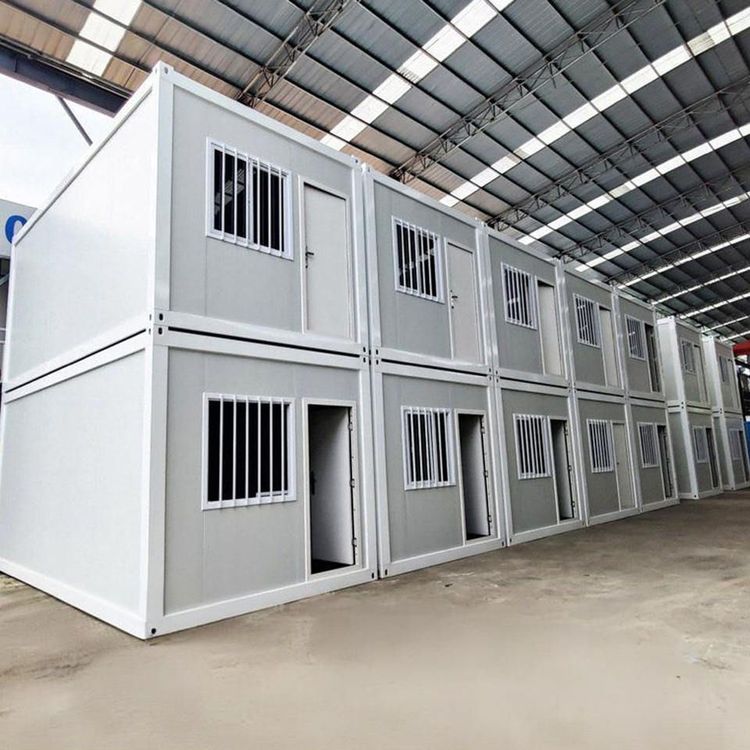
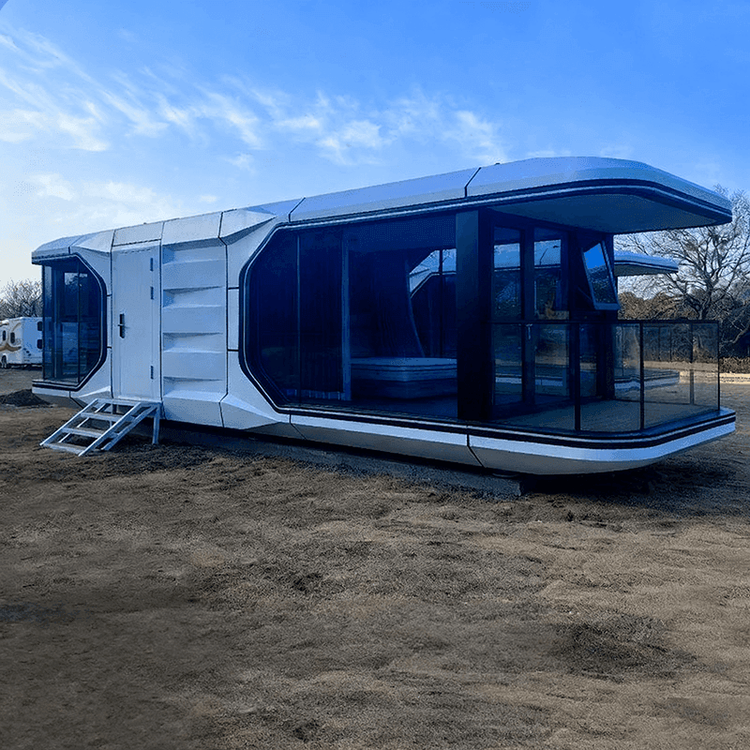
Insulation of Container Mobile Houses
The insulation of container mobile houses can be achieved through methods such as adopting composite structural walls, selecting appropriate insulation materials, blocking thermal bridges, optimizing window and door designs, and adding temperature control equipment. Details are as follows:

Adopting composite structural walls: The walls of container mobile houses usually adopt a multi-layer composite structure, consisting of an outer metal panel, an intermediate insulation layer, and an inner decorative panel. This structure achieves overall thermal insulation goals by controlling the thermal conductivity and blocking thermal bridges. For example, the walls of Apple Warehouse integrated houses are composed of a metal shell, insulation core materials, and interior finish layers, effectively improving insulation performance.
Selecting appropriate insulation materials: The intermediate insulation layer is the key carrier for thermal insulation performance. Commonly used materials include rock wool, glass wool, polyurethane rigid foam, and extruded polystyrene board (XPS), among others. Polyurethane rigid foam has the lowest thermal conductivity and is suitable for extremely cold regions; rock wool has Class A fire resistance and is suitable for crowded places. Manufacturers will select appropriate insulation material types and thicknesses based on the climatic conditions of the usage area.
Blocking thermal bridges: Thermal bridges refer to parts of the building envelope with locally lower thermal resistance, which can easily lead to heat conduction and indoor condensation. Measures to block thermal bridges include installing thermal insulation gaskets or tapes between steel frames and metal panels, filling flexible insulation materials around window and door openings, and adopting thermal break joint designs at the connections between the floor and walls.
Optimizing window and door designs: Windows and doors are the main areas for heat leakage, and optimizing their designs can significantly improve insulation performance. It is recommended to use double- or triple-glazed windows and install sealing strips at the edges to reduce heat leakage.
Adding temperature control equipment: Under extreme climatic conditions, temperature control equipment such as air conditioners and graphene floor heating can be added to regulate indoor temperature and improve living comfort.