
Insulation of Container Mobile Houses
The insulation of container mobile houses is mainly achieved by optimizing wall structures, blocking thermal bridges, using high-efficiency insulation materials, and incorporating special designs. Details are as follows:
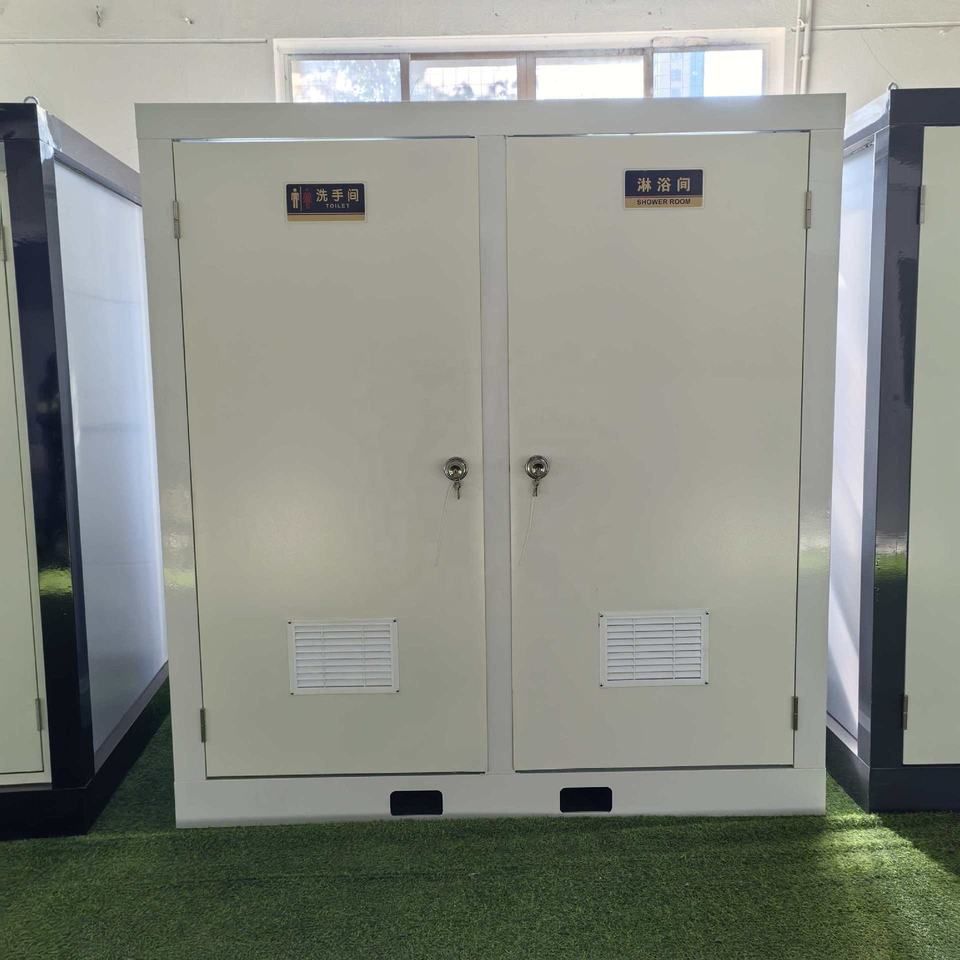
Wall Structure and Insulation Materials: The walls of container mobile houses typically adopt a multi-layer composite structure, consisting of an outer metal panel, an intermediate insulation layer, and an inner decorative panel. The intermediate insulation layer is crucial for thermal insulation performance, with commonly used materials including rock wool, glass wool, polyurethane rigid foam, and extruded polystyrene board (XPS), among others. Polyurethane rigid foam has the lowest thermal conductivity and the highest thermal resistance value at the same thickness, making it suitable for extremely cold regions with high insulation requirements. Although rock wool has a slightly higher thermal conductivity, it possesses Class A fire resistance and is suitable for crowded places.
Thermal Bridge Blocking Technology: Thermal bridges are areas in the building envelope with locally lower thermal resistance, through which heat rapidly conducts, leading to indoor condensation and increased energy consumption. Common measures to block thermal bridges include installing thermal insulation gaskets or strips between steel frames and metal panels to prevent direct metal contact and heat conduction pathways; filling flexible insulation materials, such as polyurethane foam sealant, around door and window openings to seal gaps; and adopting thermal break joint designs at the connection between the floor and walls to reduce heat transfer.
Roof and Floor Insulation Design: Insulation design for the roof and floor is equally important. The roof can use sandwich panels with an aluminum foil reflective layer, combined with adjustable sunshades and bottom ventilation slots, to reduce direct sunlight and heat accumulation. The floor can adopt a thermal break lining structure, filling hard polyurethane foam between the steel frame and inner wall panels, and installing rubber thermal insulation pads at the connection points of the joists to reduce heat exchange efficiency.
Special Designs and Application Cases: Some container mobile houses also enhance insulation performance through special designs. For example, using double-glazed tempered glass increases insulation and safety; in coastal humid, high-salt environments, as well as extremely cold or hot regions, using hot-dip galvanized frames and weather-resistant wall panels can achieve a design service life of over 20 years.



