Container Mobile House Homestay
Container mobile house homestay is a distinctive accommodation form based on container renovation, combining functionality and innovation. Its core features can be analyzed from the following aspects:

1. Industrial aesthetics and living comfort in appearance and functional design
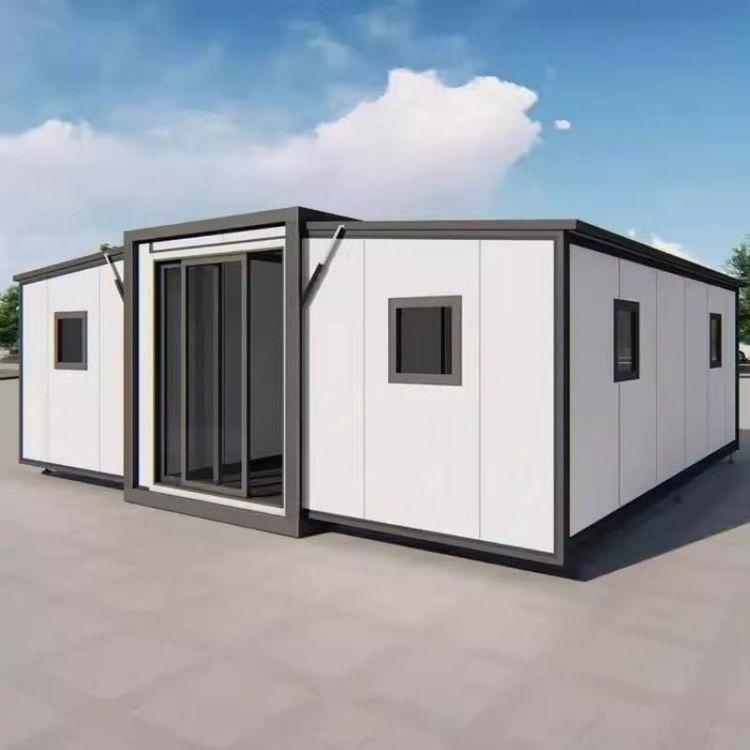
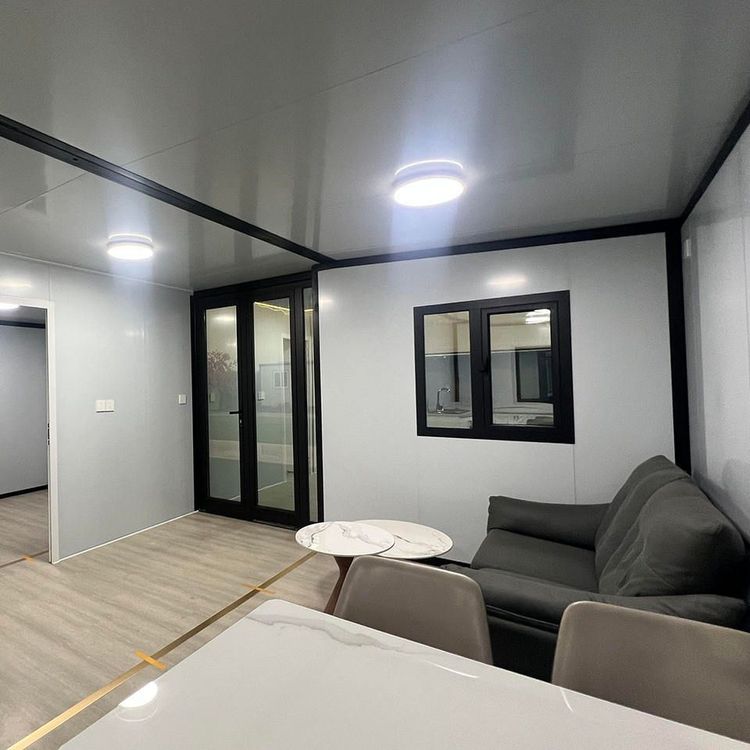
Container homestays retain the rugged industrial-style appearance of the original containers, with metal textures and geometric lines forming unique visual identifiers, becoming popular “Instagrammable spots” for tourists. Internally, modern minimalist design achieves functional upgrades: modular soft furnishings paired with warm-toned lighting soften the metallic coldness; some projects introduce natural light through panoramic floor-to-ceiling windows or skylights, enhancing spatial transparency. For example, a project in Moganshan, Zhejiang, incorporates local bamboo weaving elements into the container exterior, preserving industrial characteristics while integrating regional culture.
2. High customization meets diverse scenario demands
Structural plasticity is the core advantage of container homestays. Their dimensions can be flexibly adjusted according to site conditions: standard containers can be horizontally spliced to expand living room space or vertically stacked to form loft structures. The interior layout supports “full-function customization,” ranging from single-room accommodations to suites with independent bathrooms and open kitchens. The Yangshan Island project in Lianyungang, Jiangsu, combines containers with glass curtain walls to create a 270° ocean-view unit, significantly enhancing accommodation value.
3. Dual protection through eco-friendly technology and structural safety
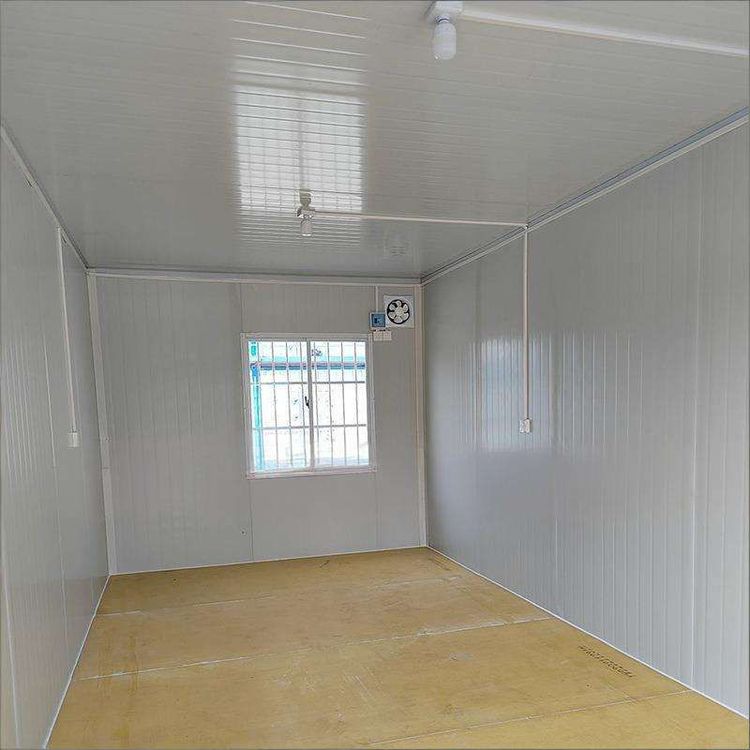
The eco-friendly and energy-saving system covers energy and water resource recycling: photovoltaic panels on roofs provide clean electricity, while rainwater collection systems, filtered through three stages, are used for green irrigation; walls adopt a three-layer composite structure (outer metal decorative panels + middle fireproof foam layer + inner bamboo-wood fiberboard), balancing thermal insulation and fire resistance. In terms of structural safety, hot-dip galvanized steel frames can withstand typhoons of up to Force 12 and have an earthquake resistance rating of 8 degrees, with a service life exceeding 50 years. A project in Dali, Yunnan, incorporates an asphalt shingle drainage system into the gable roof design to ensure rapid drainage during rainy seasons and prevent water leakage.
4. Rapid deployment and terrain adaptability support cultural tourism development
The shortest time from design to opening is just 45 days, far shorter than traditional homestay construction cycles. This “plug-and-play” feature makes it the preferred solution for expanding capacity during peak tourist seasons at scenic spots: the Yangshuo project in Guilin adopts lightweight foundation design in karst landform areas to minimize ecological disruption; in rural revitalization, container homestays revitalize idle homesteads and factory sites, transforming “dormant assets” into revenue streams. For example, the Yuanjia Village project in Shaanxi converted abandoned granaries into a container homestay cluster, creating over 200 local jobs.