Back to blog
Article
Heating for Container Mobile Houses
Admin September 15, 2026
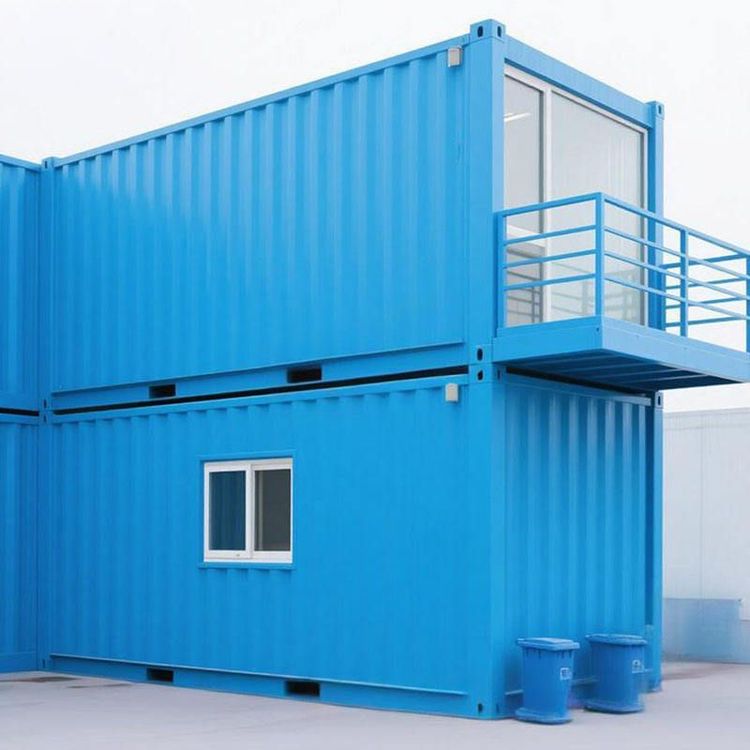
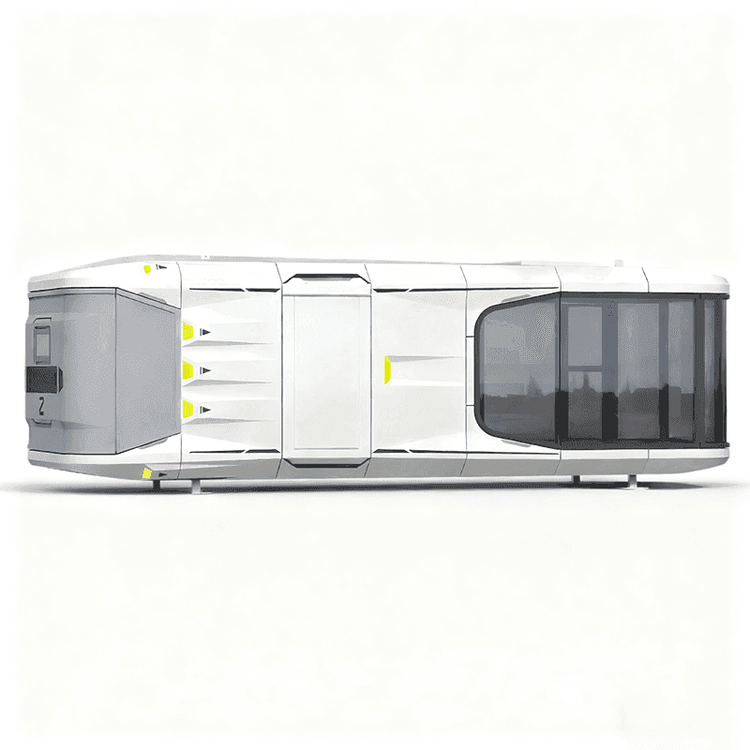
Container mobile houses can meet heating demands by optimizing thermal insulation design, adopting efficient heating equipment, and reasonably planning spatial layout, with specific measures including material selection, system integration, and auxiliary equipment application.

1. Thermal Insulation Materials and Structural Design
The metal shell of container houses has high heat transfer efficiency, necessitating the use of thermal insulation layers to reduce heat loss.
- Material Selection: Commonly used materials include polystyrene boards, polyurethane foam boards, and rock wool boards, which have low thermal conductivity and can effectively block heat transfer. For example, rock wool boards also offer fire resistance, making them suitable for scenarios with high safety requirements.
- Construction Methods:
- External Insulation Layer: Install insulation boards on the exterior walls of the container to form a thermal barrier, reducing heat exchange between the interior and exterior.
- Internal Thermal Insulation Boards: Add insulation materials to the interior walls, combined with double-glazed windows (with low thermal conductivity) and seals, to minimize heat loss through doors and windows.
- Detail Handling: Sealant should be used to fill gaps between insulation materials, and professional construction methods should be employed at the connections between the insulation layer and the container structure to ensure airtightness and structural stability.
2. Integration of Efficient Heating Equipment
Container boilers are heating solutions specifically designed for mobile houses, offering the following advantages:
- Modularity and Portability: The boiler host, control system, and auxiliary equipment are integrated into a standard container, allowing transportation by truck to complex sites such as construction sites and oil fields, saving on pipeline and civil engineering costs associated with traditional boiler rooms.
- Automatic Operation and Safety Protection: The equipment can automatically start and stop based on set pressure and adjust the firepower according to load changes. It is also equipped with multiple safety functions such as ignition failure lockout, flameout protection, and oil shortage protection.
- Energy Efficiency and Environmental Protection: Adopting a horizontal wet-back three-pass structure with threaded smoke tubes enhances heat transfer efficiency, resulting in high thermal efficiency and compliance with energy-saving standards.
3. Auxiliary Temperature Control and Energy Optimization
- Temperature Control Equipment: Air conditioners and graphene floor heating systems can quickly adjust indoor temperatures to suit different climatic conditions.
- New Energy Applications: Solar power systems can provide clean energy for container houses, combined with photovoltaic panels and energy storage devices to reduce reliance on traditional energy sources. For example, solar panel-extended containers can meet part of their heating demands through photovoltaic power generation.
Related