Formaldehyde in Container Mobile Houses
Container mobile houses generally do not generate formaldehyde issues due to their materials, but interior decoration or furniture may release formaldehyde, necessitating professional treatment or ventilation to reduce concentrations.
1. Material Characteristics of Container Houses
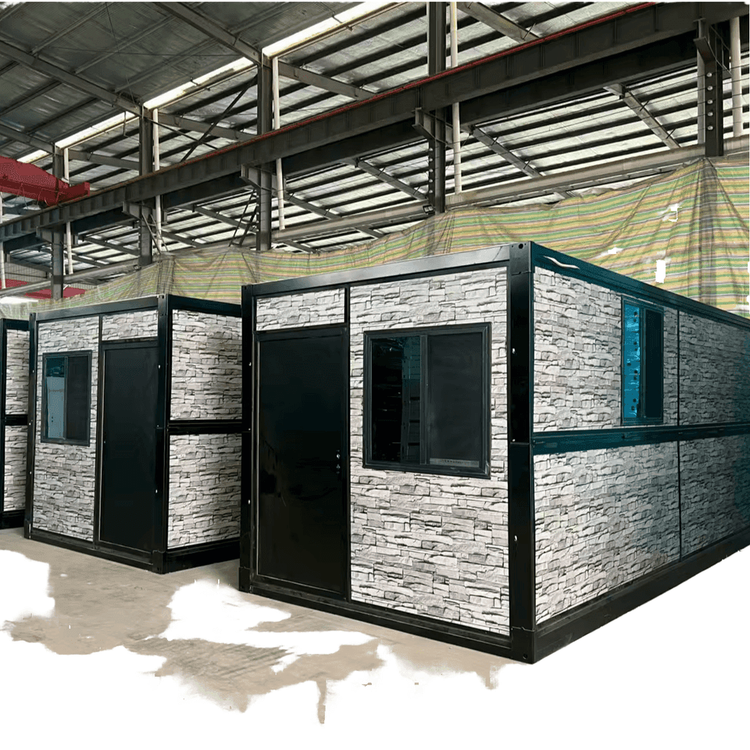
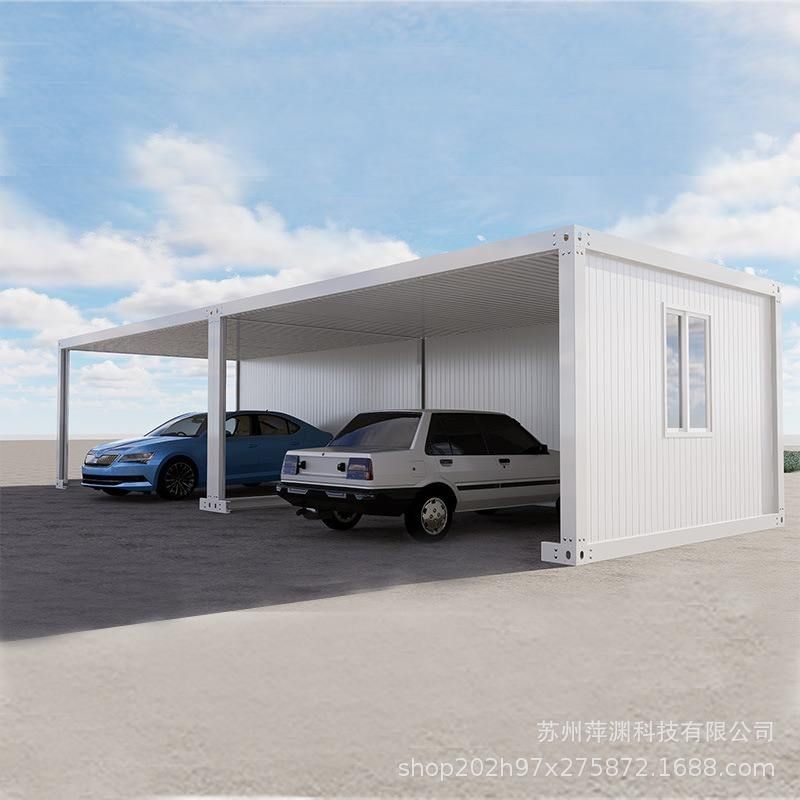
The main structure of container mobile houses is typically made of steel materials. For example, the "Ante Demountable and Assembled Mobile Residential Container House" clearly states that its material is steel, with surface treatment processes such as electrostatic spraying or painting. Steel structures themselves do not contain formaldehyde, as formaldehyde mainly originates from adhesives in artificial wood panels (such as density boards and plywood), while metal materials do not require such adhesives. Therefore, the frames and shells of container houses do not release formaldehyde under normal use conditions.
2. Potential Sources of Formaldehyde: Interior Decoration and Furniture
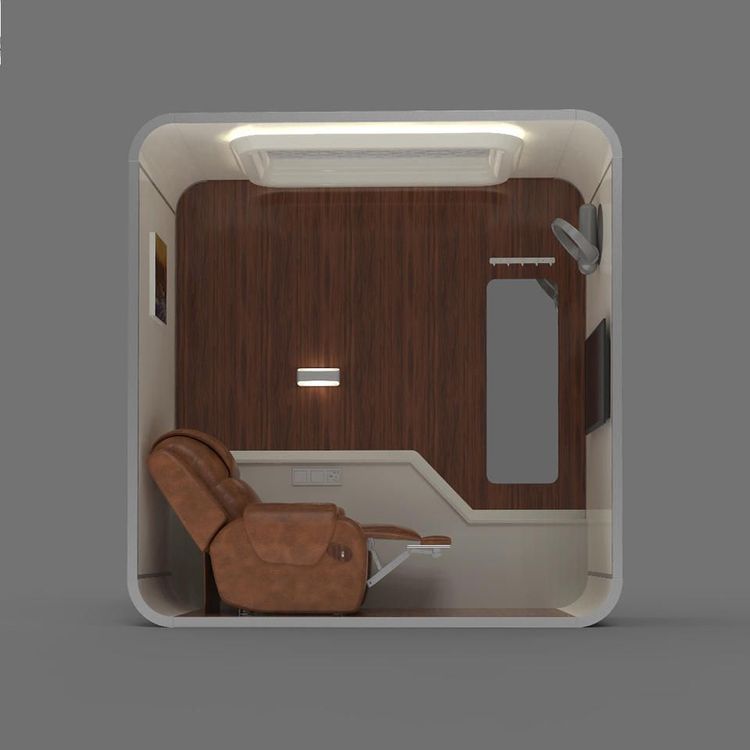
Although the main body of container houses poses no formaldehyde risk, their interior decoration or furniture may become sources of pollution. For example:
- Artificial Wood Panel Furniture: If desks, chairs, beds, or cabinets made of density boards or particle boards are used inside containers, formaldehyde may be released due to the decomposition of urea-formaldehyde resins in adhesives.
- Wall Decoration Materials: Some container houses may be equipped with interior wall panels or painted with coatings. If inferior materials are used, they may contain formaldehyde or other volatile organic compounds (TVOCs).
- Soft Furnishings and Fabrics: Textiles such as curtains and carpets that have not undergone environmental treatment may also release small amounts of formaldehyde.
3. Formaldehyde Treatment and Prevention Measures
- Source Control: Choose environmentally friendly decoration materials and furniture, and prioritize purchasing products certified as E0 grade or CARB compliant to reduce formaldehyde emissions.
- Ventilation: The formaldehyde release period can last from 3 to 15 years, but high initial concentrations can be accelerated by opening windows for ventilation, especially after new decoration, to maintain air circulation.
- Professional Treatment: If formaldehyde levels are found to exceed standards upon testing, professional agencies can be contacted for treatment, such as using photocatalysts or biological enzymes to decompose formaldehyde, or accelerating release through high-temperature steaming.
- Supplementary Measures: Placing activated carbon bags and green plants (such as Monstera and Pothos) can absorb some formaldehyde, but activated carbon needs to be replaced regularly, and the effect is limited, requiring combination with other methods.
4. Scientific Understanding of Formaldehyde Risks
The harm of formaldehyde is closely related to its concentration, and indoor air quality must be confirmed through professional testing. Relying solely on sensory judgment (such as smell) may lead to misjudgments due to interference from other volatile substances. It is recommended to commission a CMA-certified agency for testing before moving in to ensure that formaldehyde concentrations are below the national standard limit (0.08 mg/m³).