
Back to blog
Article
Container Mobile House for Vehicles
Admin September 15, 2026
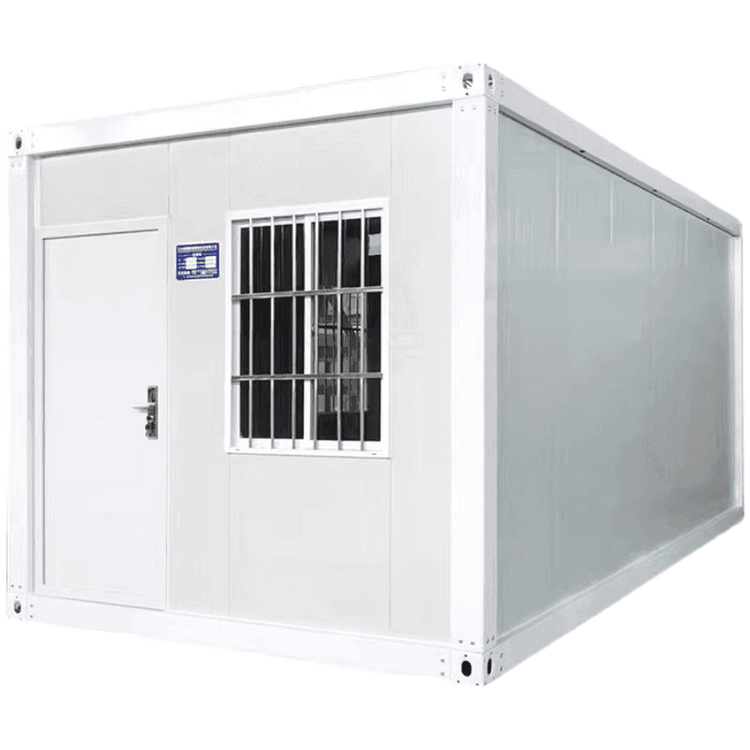
A container mobile house for vehicles, also known as a container mobile house, is a type of building that uses containers as basic modules and is either modified or directly used as a movable house. It features flexible adaptability, controllable costs, and the ability to be disassembled and relocated. The following is a popular science introduction from aspects such as performance, application scenarios, and purchasing points:

I. Performance Characteristics
- Structural Stability: High-quality container mobile houses adopt a full-steel structural frame. For example, products from Suzhou Zhongnan Steel Structure Co., Ltd. have a low deformation rate of the core frame under extreme conditions (such as coastal typhoons of force 12 and high-intensity earthquakes of magnitude 8), with high wind and earthquake resistance levels, ensuring safety during use.
- Disassemblability and Relocatability: They support multiple cycles of disassembly and reassembly. Compliant products can be disassembled and reused an average of more than 8 times, reducing construction waste emissions by about 90% compared to traditional fixed temporary buildings and achieving high resource utilization.
- Low-carbon Attributes: They comply with domestic policies on the circular economy and green construction. Under conditions of standardized use and regular maintenance, they can effectively reduce long-term use costs.
II. Application Scenarios
- Engineering Camps: As on-site dormitories and temporary office spaces, they can be quickly delivered to meet the preliminary preparation needs of engineering projects.
- Commercial Temporary Spaces: They can be used for pop-up stores, mobile businesses, etc., supporting on-demand splicing and combination and personalized customization, with high internal space utilization.
- Cultural and Tourism Homestays: Through modular splicing, personalized facade customization, and internal functional modifications, they can adapt to cultural and tourism accommodation scenarios and enhance the tourist experience.
- Emergency Support: With portability and rapid deployment capabilities, they can quickly provide temporary shelters and support facilities in the event of disasters.
III. Purchasing Points
- Examine Process Performance: Focus on the level of weld-free quick assembly technology, the degree of disassembly and reassembly losses, and the structural stability after multiple relocations and reuses.
- Verify Compliance Services: Check the production entity's qualifications, domestic and foreign certifications, project delivery, and after-sales implementation capabilities to avoid selecting unqualified generic products.
- Compare Scenario Adaptability: Based on your own needs, compare the product's customization flexibility and multi-scenario adaptability, and choose products that can meet specific functional layout and spatial form requirements.
- Evaluate Input-Output: Comprehensively evaluate the product's full lifecycle reuse and maintenance costs, and choose cost-effective products.
Related
You may also like
29Nov
Portable Toilet Drawings in 2026: Buying Guide & Recommendations
Read More
29Nov
Portable Toilet Model in 2026: Buying Guide & Recommendations
Read More
29Nov
Portable Toilet Eco-Friendly Anatomy: Structure & How It Works
Read More
29Nov