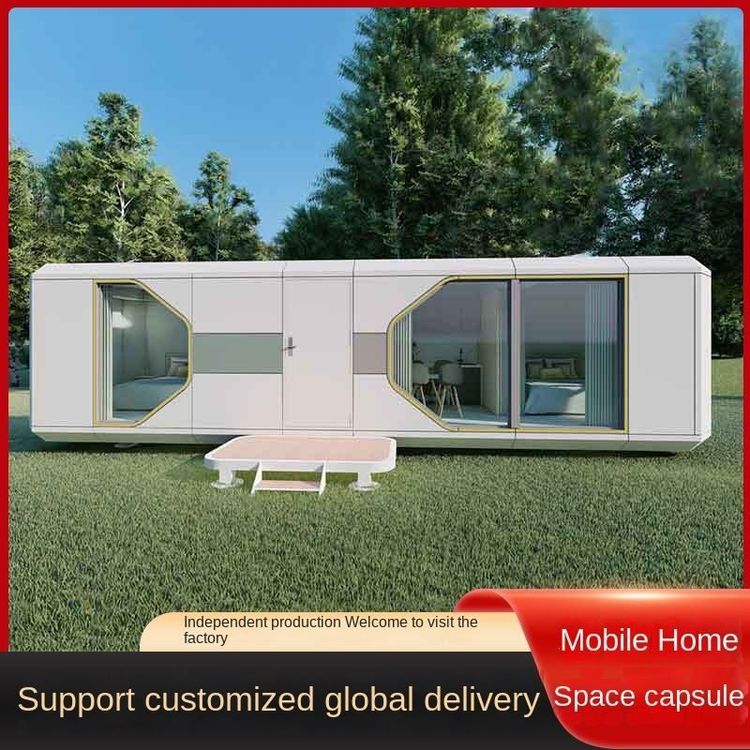
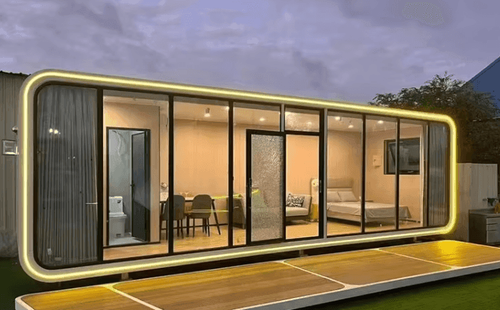
Container Mobile House Factory
The container mobile house factory mainly involves the classification, application scenarios, manufacturers, and selection points of container mobile houses.
Classification of Container Mobile Houses
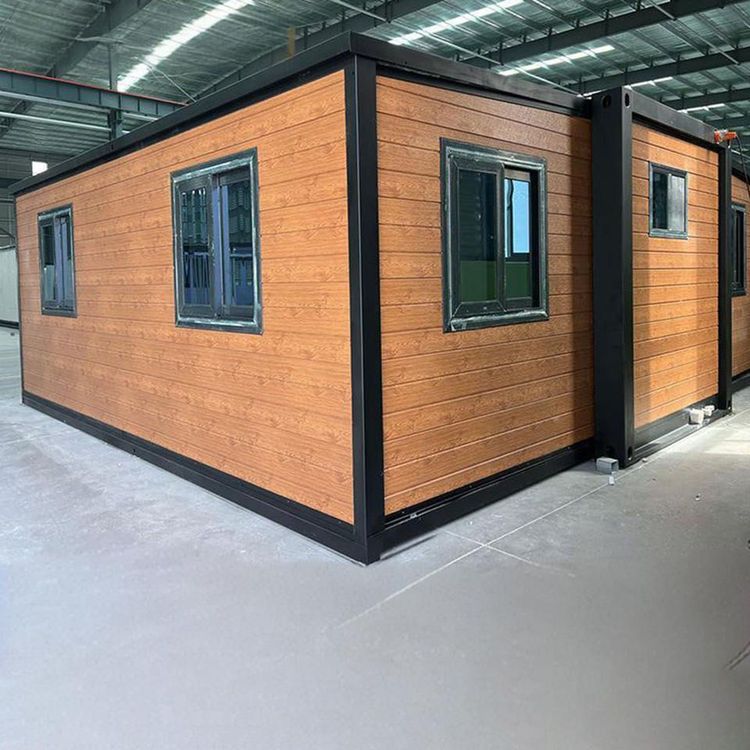
- Container-type Office Houses: Using standard containers as carriers, they are transformed into independent office units. Common sizes are 20 feet and 40 feet, which can be used individually or combined. They have a sturdy structure and are easy to transport, suitable for project departments, construction site command centers, etc.
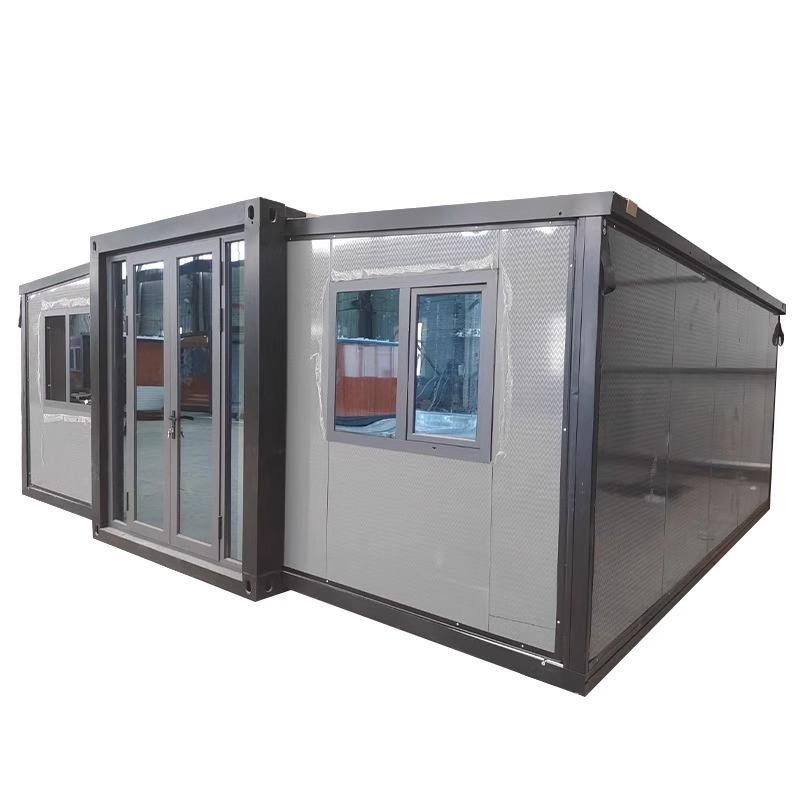
- Foldable Office Houses: Adopting a foldable structural design, they compress in volume during transportation and can be quickly expanded upon arrival. The expansion time for a single unit can be controlled within 30 minutes, suitable for office needs that require frequent relocation, such as exploration teams and temporary command posts.
- Assembled Office Houses: Combining light steel keels with color steel plates, they are modularly assembled on-site. They can be flexibly expanded according to the number of people and functional divisions, commonly found in temporary offices in parks and event planning sites.
- Expandable Office Houses: Adding side or end expansion modules to containers, the usable area can be increased by 30%-50% after expansion. Suitable for long-term on-site offices with high requirements for spatial comfort.
Application Scenarios
Container mobile houses are widely used in temporary housing, construction site offices, cultural and tourism facilities, emergency support, and other scenarios. For example, in emergency rescue scenarios, foldable containers are a popular choice due to their portability and low cost.
Manufacturers
There are numerous manufacturers of container mobile houses on the market, such as Suzhou Zhongnan Steel Structure Co., Ltd., CIMC Modular Building Investment Co., Ltd., and Yashi Integrated Housing Co., Ltd. These manufacturers have their own advantages in terms of process performance, compliance services, scenario adaptation, and return on investment.
Selection Points
- Process Performance: Evaluate the level of welding-free quick assembly technology, the degree of disassembly and assembly loss, and the structural stability after multiple relocations and reuse.
- Compliance Services: Verify the production entity's qualifications, domestic and foreign certifications, project delivery, and after-sales implementation capabilities.
- Scenario Adaptation: Compare product customization flexibility and multi-scenario adaptation capabilities.
- Return on Investment: Comprehensively evaluate the product's full lifecycle reuse and maintenance costs.