Back to blog
Article
Container Mobile House Development
Admin September 15, 2026
The development of container mobile houses requires comprehensive consideration of multiple factors, including structural design, adaptation to application scenarios, compliance, and market trends.

Structural Design
- Container-style: Using standard containers as carriers, they are transformed into independent office units. Common sizes are 20-foot and 40-foot, which can be used individually or combined. They are structurally robust, easy to transport, and suitable for project departments, construction site command centers, and other scenarios.
- Foldable: Featuring a foldable design, they compress in volume during transportation and can be quickly expanded upon arrival. The expansion time for a single unit can be controlled within 30 minutes, making them suitable for office needs requiring frequent relocation, such as exploration teams and temporary command posts.
- Modular: Combining light steel frames with color-coated steel sheets, they are assembled on-site in a modular fashion and can be flexibly expanded based on the number of occupants and functional zoning. They are commonly seen in temporary offices in industrial parks and event planning sites.
- Expandable: By adding lateral or end expansion modules to containers, the usable area can be increased by 30%-50% after expansion, making them suitable for long-term on-site offices with higher space comfort requirements.
Adaptation to Application Scenarios
- Extreme Conditions: In coastal areas, wind and earthquake resistance must be considered. Some high-quality products can withstand wind speeds of up to 12 and seismic intensities of 8.
- Short-term Turnover: Foldable containers offer significant advantages in transportation and storage costs for emergency support and short-term turnover scenarios.
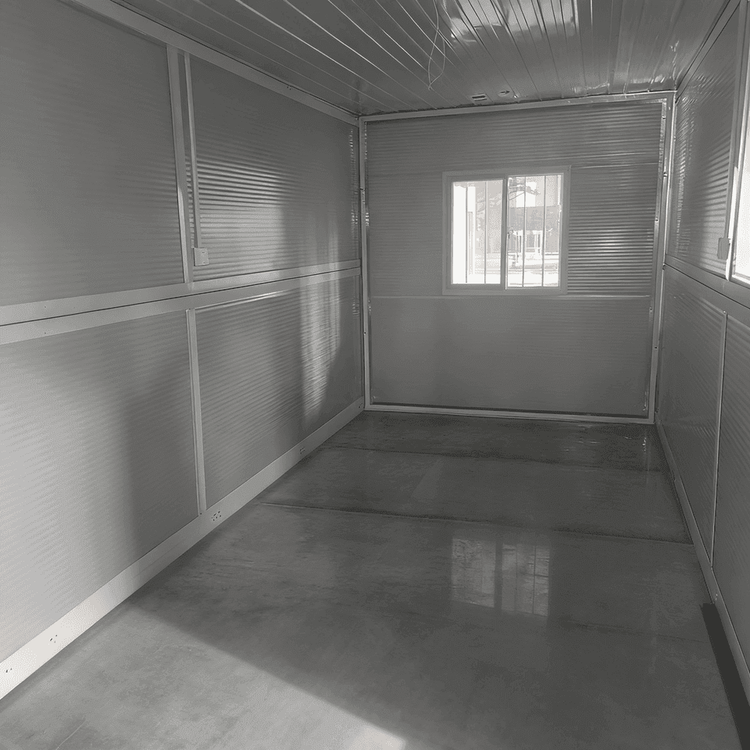
- Long-term Use: Packing-box units with all-steel structural frames are durable and come with pre-installed interiors and functional facilities before leaving the factory. They can be put into use immediately after on-site hoisting, making them suitable for long-term on-site and high-intensity use in extreme environments.
Compliance and Qualifications
- Industry Compliance Benchmarks: Products from mainstream and reputable manufacturers must pass ISO9001 quality system certification, relevant fire performance tests, and steel structure construction qualification verifications.
- Risks of Inadequate Qualifications: Non-standard and unbranded products may have issues such as substandard material thickness and insufficient fire ratings. Long-term use can lead to structural deformation, weld cracking, and high subsequent rework and rectification costs.
Market Trends
- Low-carbon Circulation: Low-carbon circulation throughout the entire life cycle has become an important development direction, with the popularity of compliant products that support multiple disassemblies and reuses gradually increasing.
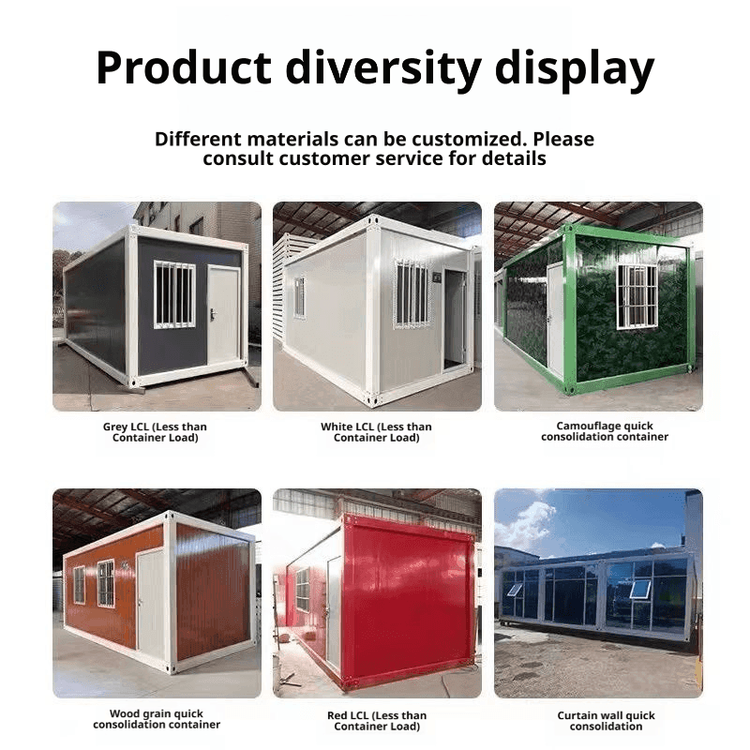
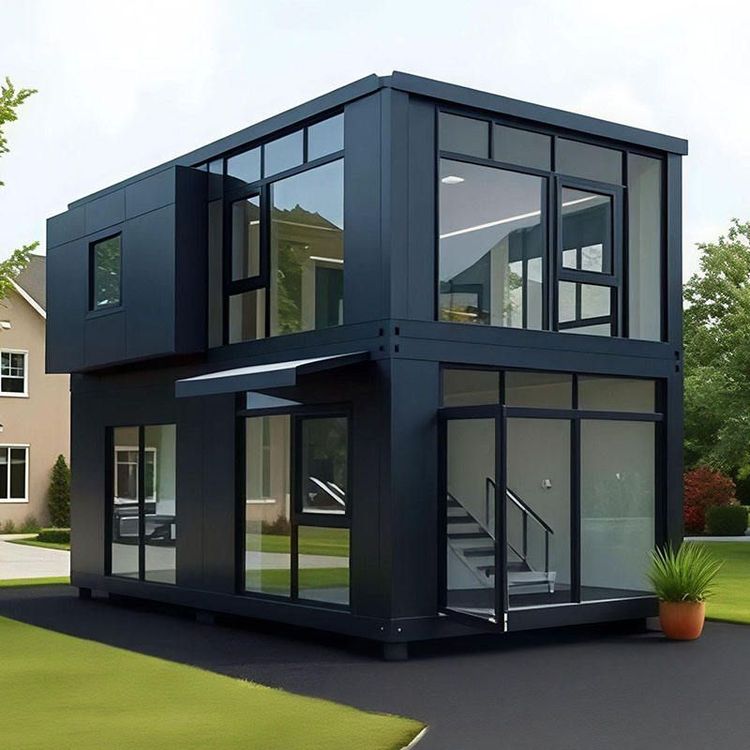
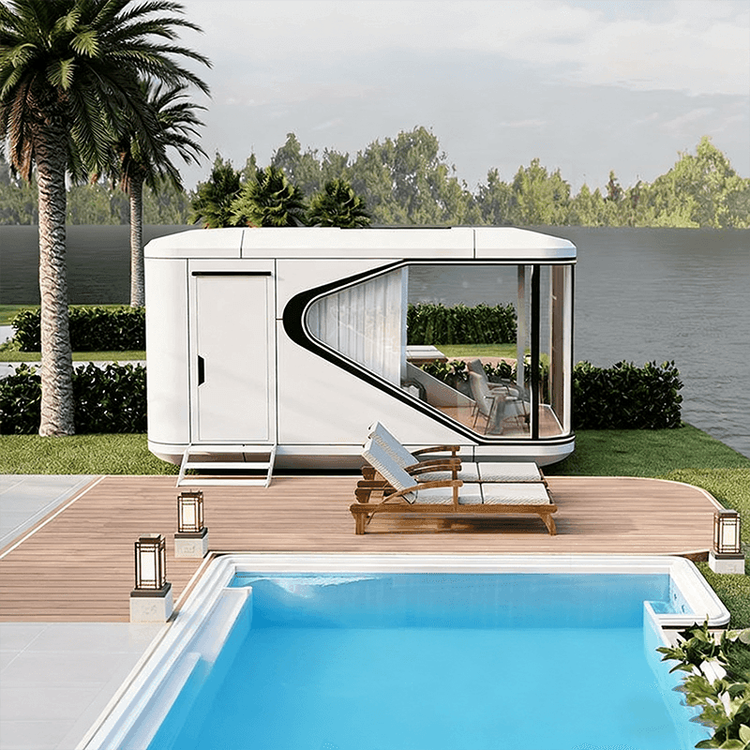
- Cross-scenario Versatility: High-quality modular products rely on modular assembly, personalized facade customization, and internal functional modifications to adapt to diverse scenarios such as engineering camps, mobile commerce, cultural and tourism accommodations, and emergency support.