
Dampproofing for Container Mobile Houses
Dampproofing for container mobile houses can be achieved by selecting dampproof coatings, ensuring good container sealing, using dampproof materials, enhancing ventilation, and conducting regular maintenance and inspections.
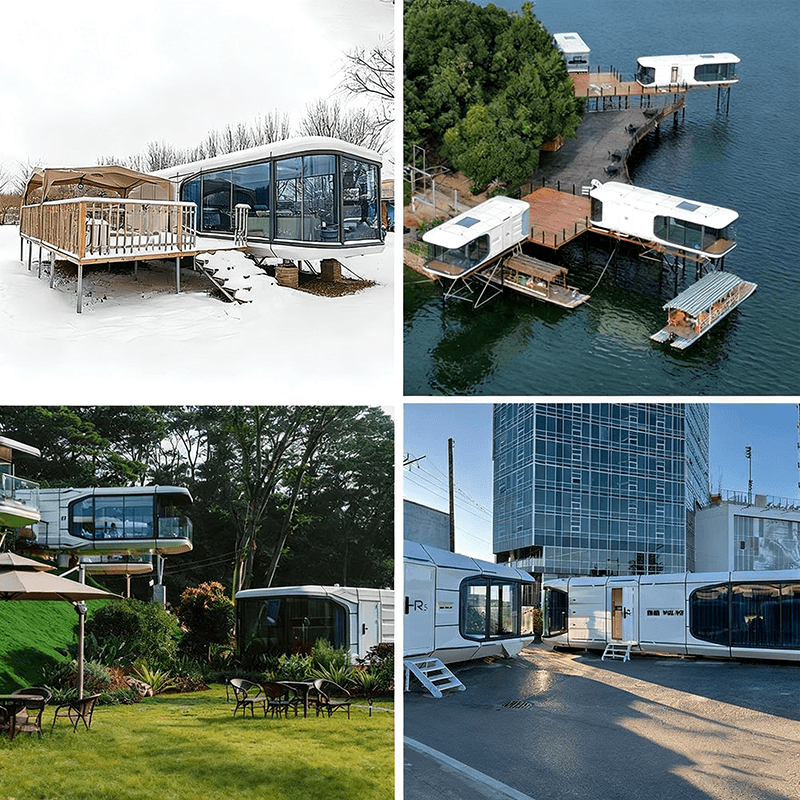
Selecting Dampproof Coatings: Dampproof coatings are the primary method for preventing dampness in containers. Choose formal dampproof coatings that resist mold growth, effectively prevent moisture from entering the container interior, and are corrosion-resistant and not prone to peeling. Such coatings can address dampness issues at the source, effectively preventing container contamination and odors, protecting items from damp damage, and maintaining the long-term integrity of the container surface.
Ensuring Good Container Sealing: The gaps and joints of containers are areas where damp air can easily infiltrate. During modification and use, ensure that these areas are well-sealed using sealants or other sealing materials to prevent damp air from entering the container.
Using Dampproof Materials: When renovating the interior of containers, choose materials with good dampproof properties, such as dampproof flooring and dampproof wallpaper. These materials can further prevent the impact of dampness on the container's internal environment.
Enhancing Ventilation: Good ventilation is an important means of preventing dampness inside containers. Install ventilation equipment, such as exhaust fans and ventilation windows, to maintain air circulation inside the container and reduce humidity.
Conducting Regular Maintenance and Inspections: Regularly inspect and maintain containers to promptly identify and address dampness issues. For example, check for damage or gaps on the container surface and repair them promptly; check if the dampproof coating has peeled off or aged and reapply it promptly.



