Container Mobile House and Toilet
Container mobile houses and toilets are mobile sanitation facilities transformed from standard containers, featuring convenient transportation and installation, reusable mobility, and environmental protection and energy efficiency. They are widely used in oil fields, tourist attractions, urban public spaces, and other locations.

I. Structural and Functional Characteristics
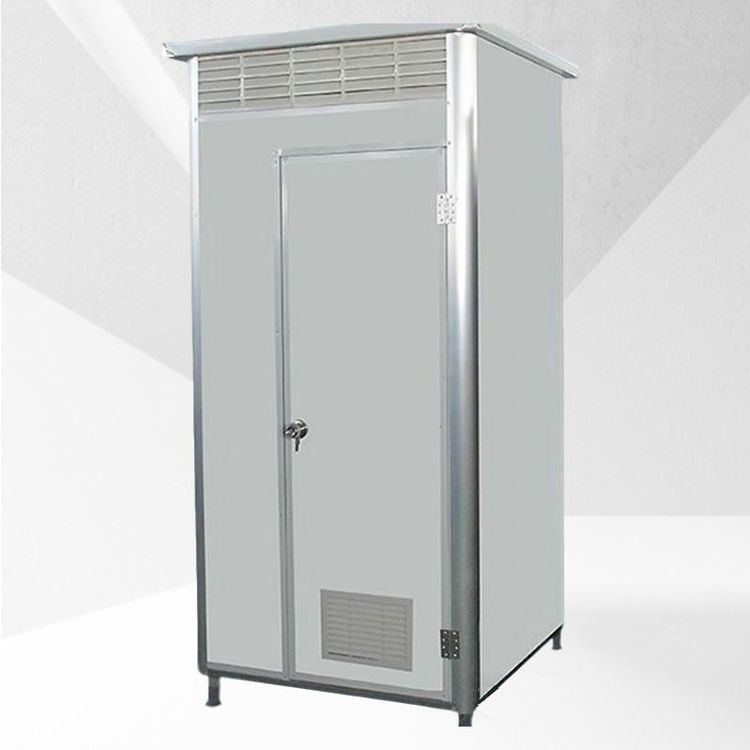
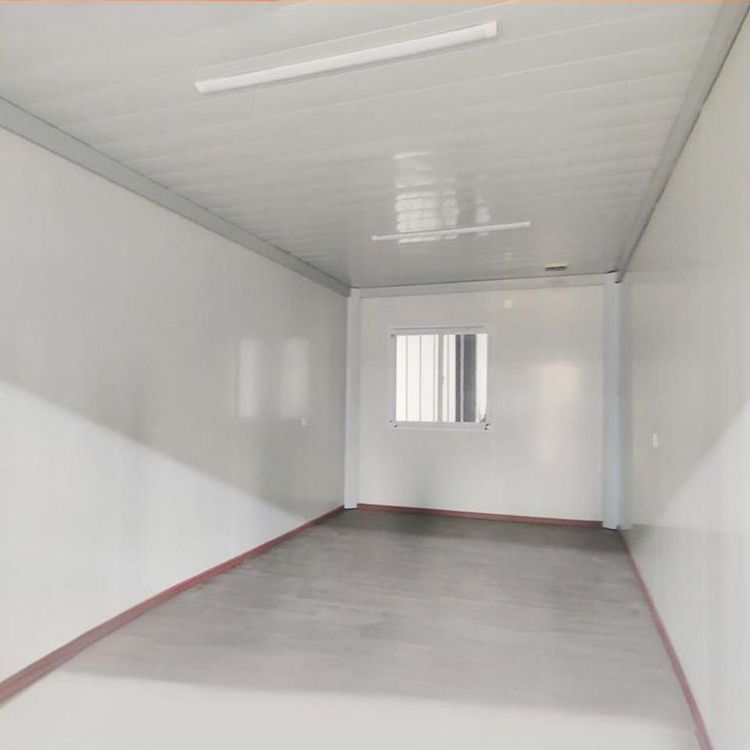
Container mobile toilets use standard containers as the base structure, achieving integrated sanitation functions through structural modifications. Taking the popular container mobile toilet as an example, its design includes six squatting positions each for men and women and one public hand-washing area, covering a total area of approximately 18 square meters. The toilet compartments are equipped with independent squatting positions, urinals, hand-washing basins, and other sanitary fixtures, with a complete water and electricity system to meet basic sanitation needs. Some models use thickened galvanized corrugated sheets as the exterior material, combining corrosion resistance with structural strength to adapt to long-term outdoor use. Additionally, the modular design supports functional expansion, such as integrating shower rooms and management rooms, forming an integrated mobile house of "toilet-shower room-tool room" to meet the composite needs of construction sites and other scenarios.
II. Types and Applicable Scenarios
According to functional requirements, container mobile toilets can be divided into single sanitation types and composite function types. The single sanitation type focuses on squatting positions and urinals, suitable for short-term or temporary locations such as tourist attractions and city squares; the composite function type integrates functions such as showering and storage, commonly found in oil field operation areas and construction sites requiring long-term驻扎 (stationing). Their detachable structure supports rapid disassembly and reassembly for reuse, for example, after the completion of a construction site project, the toilet modules can be relocated to a new site for reassembly, reducing resource waste.
III. Advantages and Environmental Value
The core advantages of container mobile toilets lie in their mobility and environmental friendliness. The standardized specifications of containers enable rapid deployment via trucks, container ships, and other transportation tools, with an installation period more than 70% shorter than that of traditional brick-built toilets. In terms of materials, the recyclability rate of galvanized corrugated sheets exceeds 90%, reducing construction waste generation; some models adopt water-saving fixtures and solar power systems to further reduce energy consumption and water usage. Additionally, the modular design facilitates maintenance and upgrades, such as replacing damaged fixtures or upgrading water and electricity systems, extending the service life of the facilities.