Back to blog
Article
Container Mobile Flat House
Admin September 16, 2026
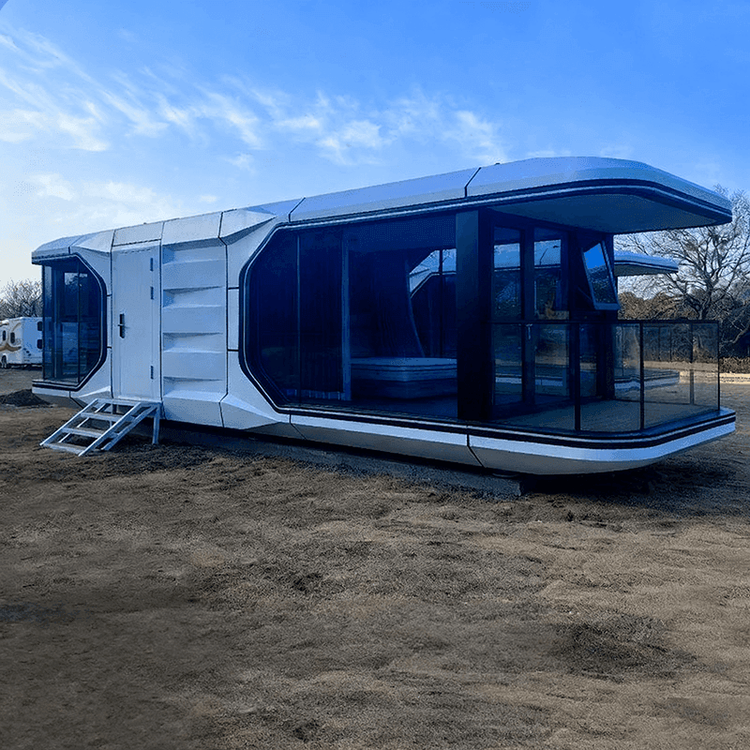
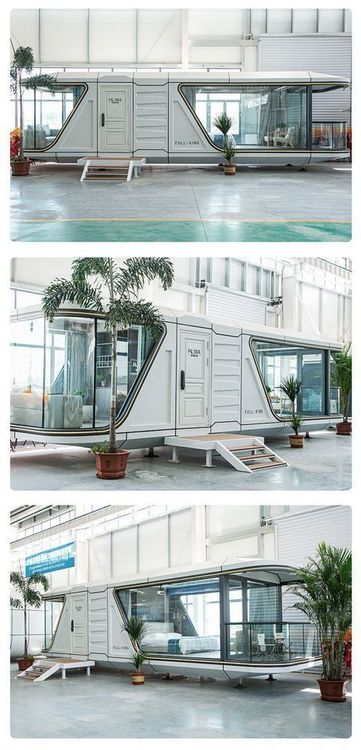
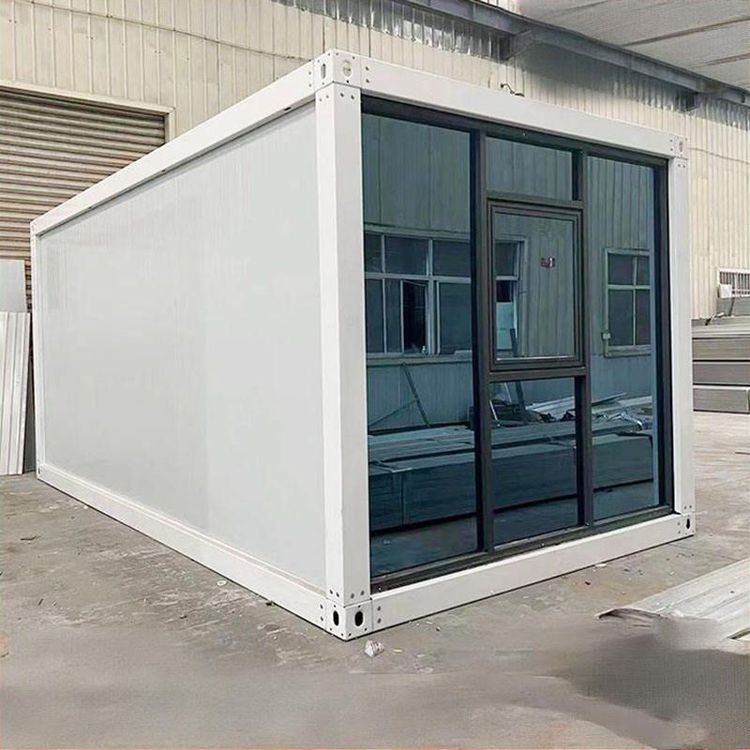
The container mobile flat house is an independent office or living unit transformed using standard containers as carriers, featuring a sturdy structure, convenient transportation, and flexible expandability. The following provides an introduction from four aspects: types, advantages, application scenarios, and purchasing considerations.

Types
- Container-style: Based on standard containers, commonly available in 20-foot and 40-foot sizes, these can be used individually or combined for scenarios such as project departments and construction site command centers.
- Foldable: Designed with a folding structure, these compress in volume during transportation and can be quickly expanded upon arrival, with a single set expansion time controlled within 30 minutes, suitable for exploration teams and temporary command posts requiring frequent relocation for office needs.
- Modular: Combining light steel frames with color-coated steel sheets, these are assembled on-site in a modular fashion, allowing flexible expansion based on the number of occupants and functional divisions, commonly seen in temporary park offices and event planning sites.
- Expandable: These feature additional side or end expansion modules on the container base, increasing usable area by 30%-50% upon expansion, suitable for long-term on-site offices with higher space comfort requirements.
Advantages
- Sturdy Structure: Utilizing a steel frame structure, these can withstand significant external impacts, offering good earthquake and wind resistance.
- Convenient Transportation: Being entirely movable, they are easy to transport and install, allowing for rapid deployment to different locations.
- Flexible Expandability: They can be used individually or combined and expanded based on actual needs, meeting various spatial requirements.
- Cost-effective: Compared to traditional buildings, the construction cost of container mobile flat houses is lower, and they can be reused, reducing long-term usage costs.
Application Scenarios
- Office Scenarios: Such as project departments, construction site command centers, and temporary park offices.
- Living Scenarios: They can serve as temporary dormitories and emergency housing.
- Commercial Scenarios: They can be used as mobile shops and creative commercial spaces.
Purchasing Considerations
- Process Performance: Evaluate the level of welding-free quick assembly technology, the degree of disassembly and assembly loss, and the structural stability after multiple relocations and reuse.
- Compliance Services: Verify the production entity's qualifications, domestic and international certifications, project delivery, and after-sales implementation capabilities.
- Scenario Adaptability: Compare product customization flexibility and multi-scenario adaptability.
- Return on Investment: Comprehensively assess the product's full lifecycle reuse and maintenance costs.