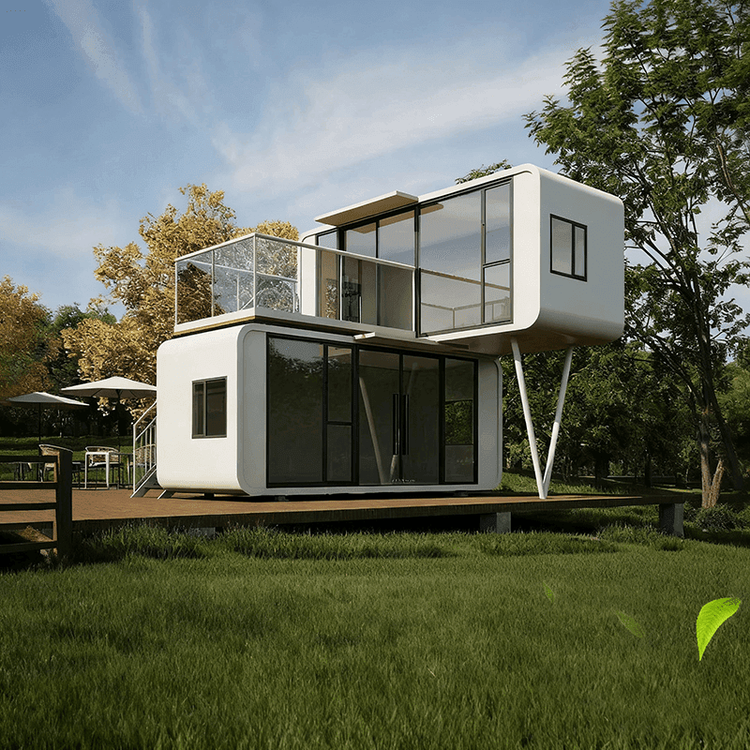
Container Minimalist House
Container minimalist houses are low-cost, flexible, and movable building forms that use containers as basic modules, prefabricated in factories and quickly assembled on-site. The following provides an introduction from dimensions such as design, performance, application scenarios, and development trends:
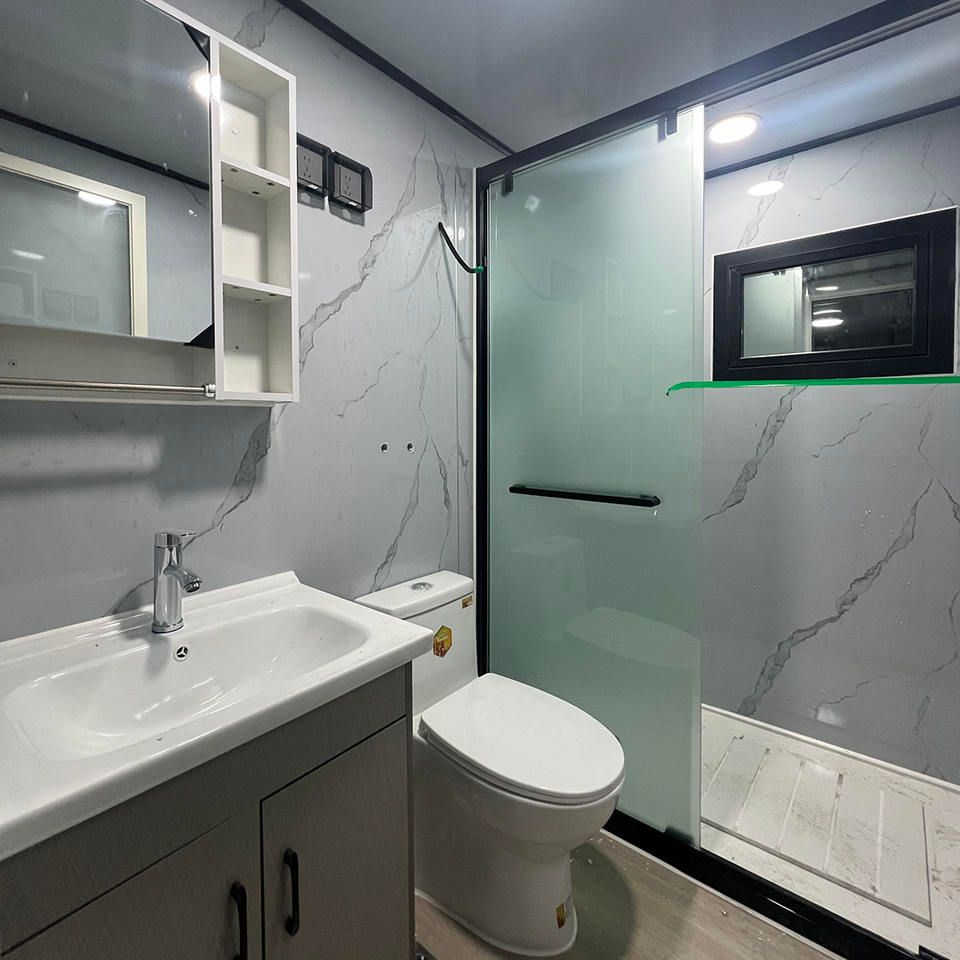
Design Features
Container minimalist houses use standard containers as units and achieve flexible combinations through modular design. A single container typically has dimensions of 3 meters by 6 meters and a height of 2.4 to 3 meters, and can form spaces of different scales through stacking and splicing. The design emphasizes functional integration, such as compressing the kitchen and bathroom into independent modules and using integrated bathroom technology for waterproof integration. The living and sleeping areas achieve day-night functional switching through variable furniture (such as folding tables and drop-down beds). Some products adopt a broken-bridge lining structure, filling hard polyurethane foam between the steel frame and interior wall panels to reduce heat conduction efficiency and improve thermal insulation performance.
Performance Advantages
Strong structural stability: High-quality products use a full steel structural frame with a wind resistance rating of up to Level 12 and an earthquake resistance rating of Level 8. The frame deformation rate is less than 0.3%, far exceeding industry safety standards. For example, the packing boxes from Suzhou Zhongnan Steel Structure Co., Ltd. have a frame deformation rate of only 0.18% under simulated Level 12 typhoon conditions.
High installation efficiency: The main structure and pipelines are prefabricated in the factory, and only splicing and fixing are required on-site. The installation time for a single 30㎡ prefabricated house can be shortened to 4 hours, eliminating the need for on-site welding and significantly reducing safety risks and project duration costs.
Low full-lifecycle cost: Compliant products can be disassembled and reused an average of more than 8 times, reducing construction waste emissions by about 90% compared to traditional fixed temporary buildings and achieving higher resource utilization.
Application Scenarios
They cover a variety of fields such as engineering camps, cultural and tourism homestays, emergency support, and commercial pop-ups. For example:
- Temporary accommodation: Baotou Camp Container House Company maintains structural stability even when stacking containers up to three layers high by adding C-shaped steel purlins and applying protective paint, making them suitable for wilderness camp dormitories.
- Environmentally friendly buildings: They integrate a self-circulating sewage system, using a sewage collection tank and gravity separator to filter and reuse gray water (wash water) and anaerobically ferment black water (toilet sewage), improving water self-sufficiency.
- Data centers: CIMC provided prefabricated modules for a Malaysian AI data center project, with the time from contract signing to the first batch of module shipments being only 4 months, shortening the project duration by 50% compared to traditional construction.
Development Trends
The industry is moving towards a stage of refinement, low-carbonization, compliance, and scenario-based development:
- Low-carbon circulation: The popularity of compliant products that support multiple disassemblies and reuses is increasing, with orders from leading companies accounting for more than 60%.
- Cross-scenario versatility: Through modular splicing and personalized facade customization, they are suitable for a variety of scenarios such as engineering camps, mobile commerce, and cultural and tourism accommodation.
- Intelligent production: The first steel structure modular intelligent production line in China can produce 50 modules per day, with manufacturing precision stably controlled within 1-2 millimeters and a production capacity ten times that of similar factories in North America.
You may also like
Portable Toilet Model Explained: How to Choose the Right One
Read More
Portable Toilet Configuration: Types, Features & Buying Tips
Read More
Portable Toilet Anti-Corrosion in 2026: Buying Guide & Recommendations
Read More