Two-Story Container House for Mahjong Parlor
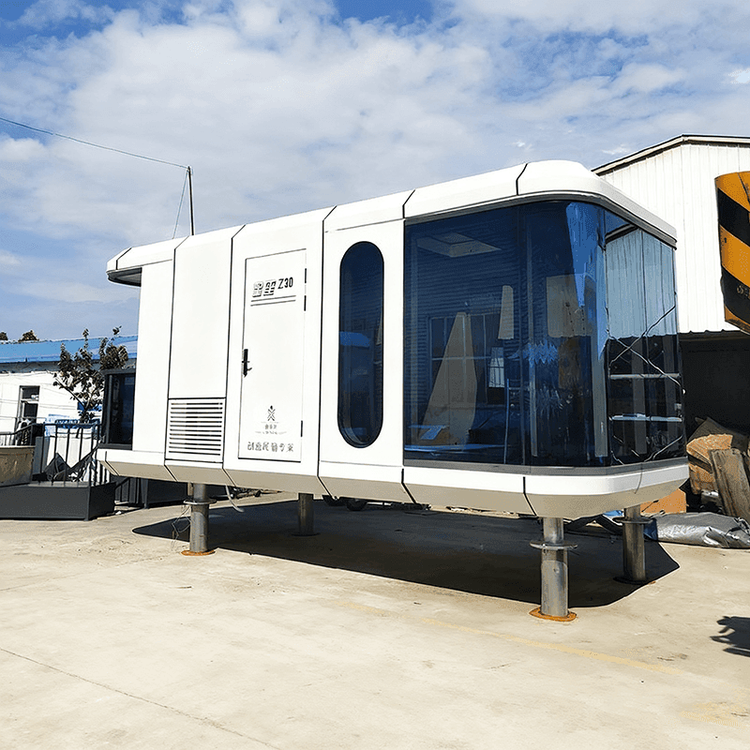
A two-story container house for a mahjong parlor can be constructed by vertically stacking containers, featuring modularity, high strength, and low cost, but requiring attention to thermal insulation, soundproofing, and moisture-proof maintenance.
Structural Design Principles
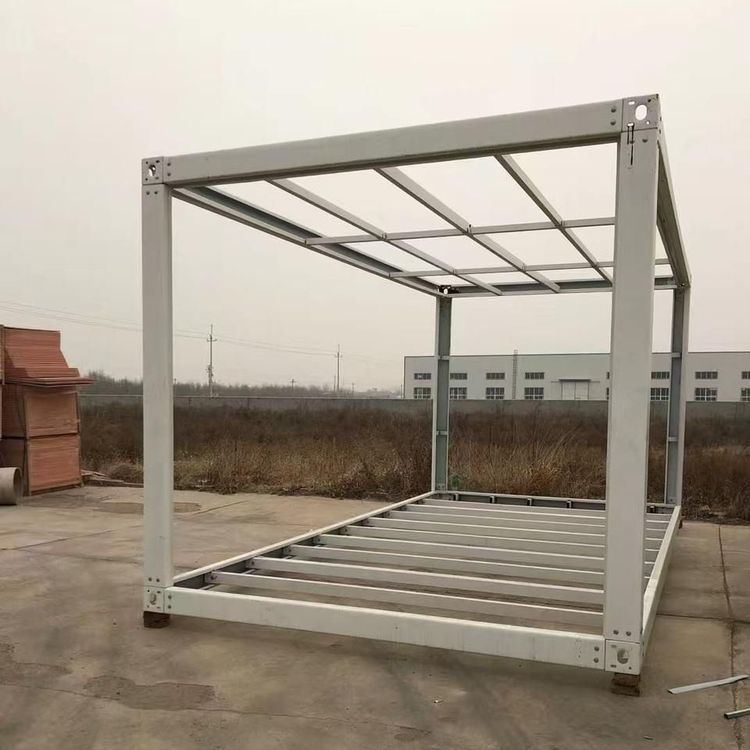
The two-story container house for a mahjong parlor uses standard containers as basic units, forming a two-story structure by vertically stacking two or more containers. The upper and lower containers are typically made of steel and are connected and fixed through welding or high-strength bolts to ensure overall structural strength and stability. This modular design allows for rapid assembly and disassembly, adapting to different site requirements, and is particularly suitable for temporary or semi-permanent commercial uses.
Core Advantages
Construction Efficiency and Cost The construction period for container houses is significantly shorter than that of traditional buildings, and material costs are lower. Their modular nature supports standardized production, greatly reducing construction time. However, specific costs need to be comprehensively evaluated based on design complexity, material configuration (such as doors, windows, and thermal insulation layers), and site conditions.
Space Utilization and Flexibility The vertical stacking design makes full use of vertical space, suitable for scenarios with limited site area but requiring expanded business space. Containers can be disassembled and reassembled, facilitating future relocation or layout adjustments to meet the flexibility requirements of mahjong parlors that may change due to business needs.
Structural Safety The steel frame and welding/bolt connection process ensure that the house has superior wind and earthquake resistance compared to ordinary temporary buildings, making it suitable for use as a commercial venue. However, it is necessary to choose a reputable supplier to ensure that the quality of the containers and the connection process meet building safety standards.
Potential Issues and Solutions
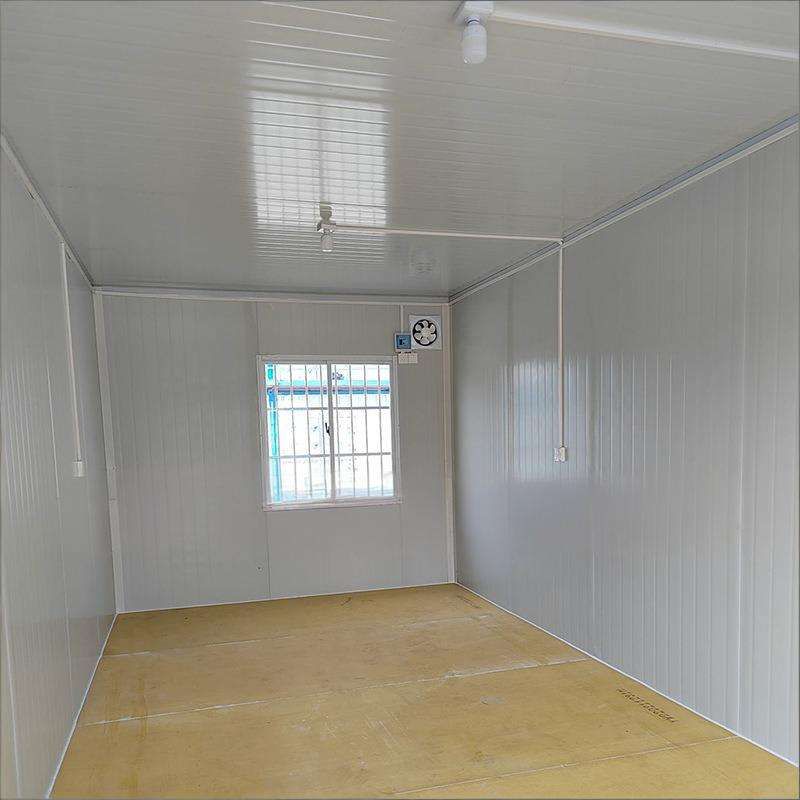
Thermal Insulation and Soundproofing Performance The metal walls of containers have high thermal conductivity, making them prone to being hot in summer and cold in winter, and the thin metal walls have limited soundproofing effects. Solutions: Install thermal insulation materials such as rock wool or glass wool on the inner walls of the containers and cover the outer layers with insulation boards; add sound-absorbing cotton or soundproofing felt to the walls, and use double-glazed windows and doors.
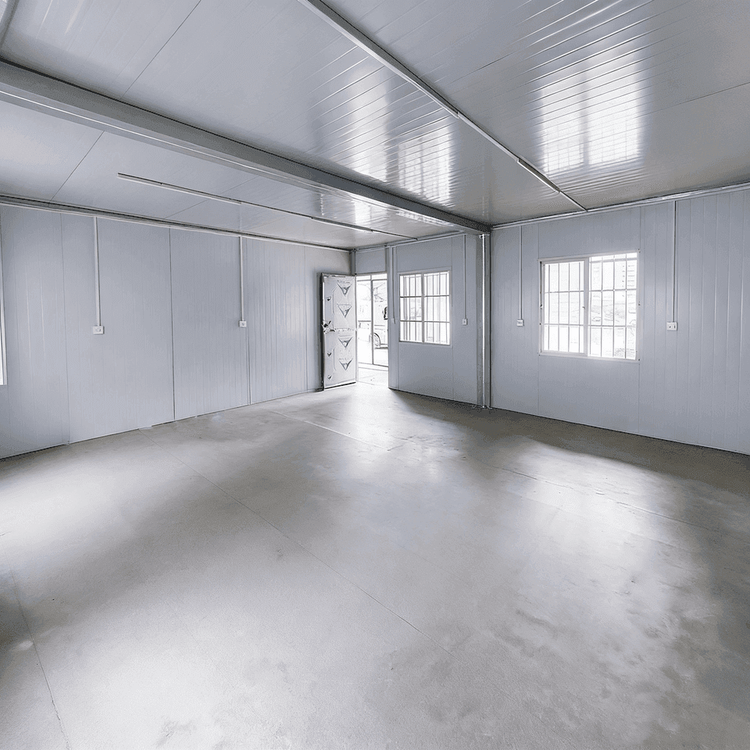
Internal Space Limitations The width of a standard container is only 2.4-3 meters, resulting in relatively cramped internal space. Solutions: Remove some non-load-bearing interior walls or expand public areas through mirror-image layouts; adopt an open design to reduce partitions and enhance spatial transparency.
Moisture Resistance and Durability Containers are prone to rust when exposed to humid environments for a long time, affecting structural lifespan. Solutions: Perform waterproofing treatment on the ground (such as laying moisture-proof membranes or concrete垫层 (Note: '垫层' here is translated as 'underlayment' in a more general construction context, but kept as is for accuracy to the original text's intent)), and install moisture-proof boards at the bottom of the walls; regularly inspect metal connectors and promptly remove rust and repaint rusted areas.
Application Recommendations
If used for a mahjong parlor scenario, the layout needs to be customized according to business needs:
- Increase ventilation systems (such as exhaust fans or fresh air systems) to improve air quality;
- Reasonably plan the mahjong area, rest area, and storage space to avoid crowding;
- Use slip-resistant and wear-resistant materials (such as epoxy flooring) for the ground to ensure customer safety.