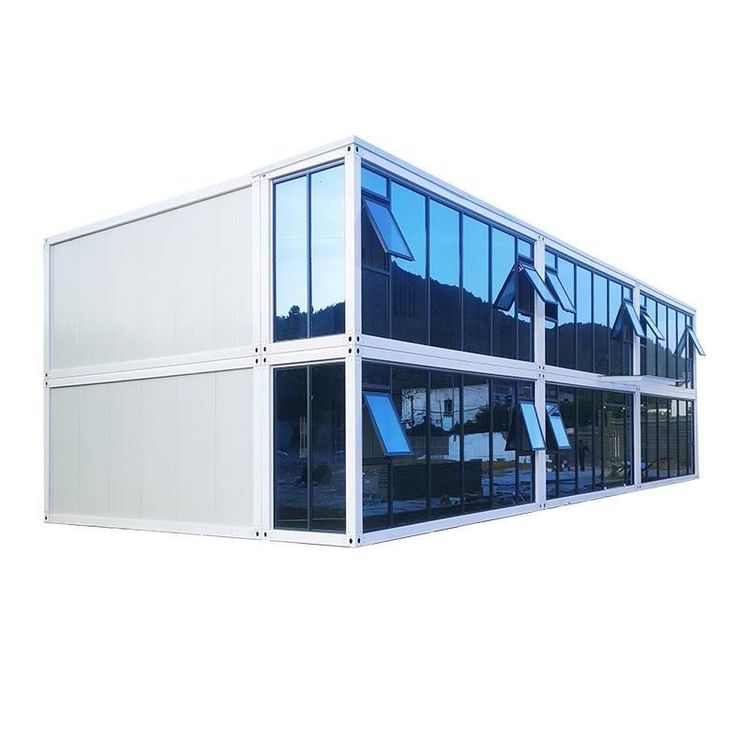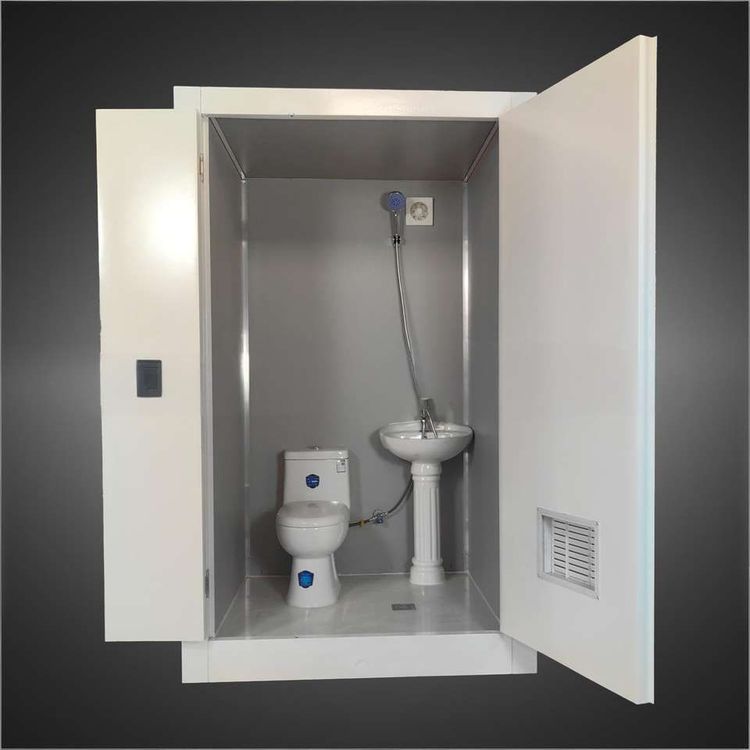
Container Live House Live
Generally, placing containers on rural homesteads is not illegal, but specific conditions must be met and relevant procedures must be followed. Here is a detailed analysis:

I. Legal Attributes of Containers Containers are essentially movable temporary facilities and do not fall under the category of permanent buildings. According to the Land Administration Law and local practices, their placement usually does not constitute illegal construction, but two core prerequisites must be met:
- Compliance with Land Use Planning: Containers must not occupy permanent basic farmland and must align with the overall land use plans of townships and villages. For example, if the homestead is located in an ecological protection zone or is planned for agricultural use, placing containers may be prohibited.
- Compliance with Usage Regulations: If used for residential purposes, containers must adhere to the "one household, one homestead" principle and building safety standards. If used for commercial purposes (such as live streaming rooms or shops), business licenses must be obtained, and fire safety, hygiene, and other requirements must be met.
II. Key Approval Processes
- Approval for Expansion or Renovation: If the container involves an expansion of the homestead area or structural modifications (such as fixed foundations or wall installations), approval from the township government is required. Unauthorized construction may result in demolition or fines.
- Land Use Conversion Procedures: If the homestead includes agricultural land, legal conversion procedures must be followed; otherwise, it may involve illegal land occupation.
III. Regional Regulatory Differences Some regions impose stricter restrictions on container usage, such as:
- Fire Safety: Fire exits must be reserved, and rescue paths must not be obstructed.
- Neighboring Rights: Containers must not affect the sunlight, ventilation, or passage of others or disrupt the overall village appearance.
- Environmental Requirements: If used for commercial purposes, facilities for sewage treatment and waste sorting must be installed.
IV. Compliance Recommendations
- Pre-consultation: Before proceeding, confirm planning requirements and approval processes with local natural resources departments or township governments.
- Professional Assessment: Commission a third-party agency to inspect the structural safety of the container to ensure compliance with earthquake resistance, wind resistance, and other standards.
- Contractual Constraints: If leasing the homestead, clearly specify the terms of container usage and liability for illegal construction in the contract.
Summary: The legality of containers on homesteads depends on compliance with planning regulations, proper usage, and completeness of approvals. It is recommended to adopt a "preventive compliance" approach to avoid legal risks arising from procedural flaws.